Follow Us on Google
•Stephen Aghanti survives rare disease, graduates from UK varsity
•Story of courage, mother’s struggle, Nigeria’s forgotten brittle-bone patients
By Oluseye Ojo
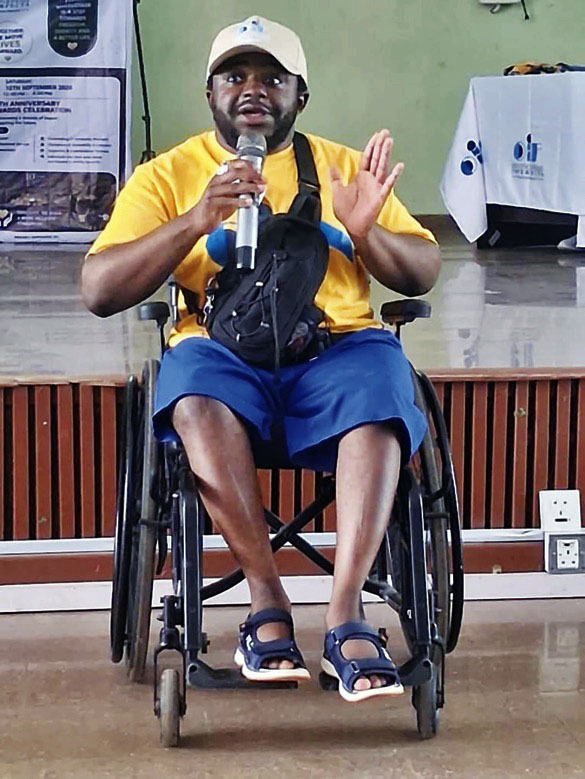
Stephen Aghanti has endured more than 100 bone fractures in his 22 years of life. Some occurred when he was a baby, others as he grew older. His bones could break under circumstances that would leave most people unharmed.
Yet, against the odds, he has graduated from university after studying Computer Games Technology in the United Kingdom, and he has begun building a future that refuses to be defined by his condition.
Stephen was born with osteogenesis imperfecta (OI), commonly known as brittle bone disease, a rare genetic disorder that makes bones unusually fragile.
As gathered, his experience exposes the challenges confronting people living with the condition in Nigeria, where limited awareness, difficulties accessing specialist care and social prejudice can compound their suffering.
For Stephen, the struggle began before he could understand what was happening to his body. He was born with six fractures, cried persistently as his parents searched for answers. His mother, Ambassador Tarela Aghanti, endured years of anxiety, hospital visits and financial pressure while learning how to care for a child whose bones could break with little force.
She also faced people who attributed her son’s condition to witchcraft and advised her to abandon him.
Rather than surrender, she sought better medical care and dedicated herself to understanding the condition. Their eventual move to the United Kingdom provided access to specialised treatment, including zoledronate, a medicine used to improve bone health in certain patients, and surgeries to insert rods into Stephen’s legs.
It was further gathered that the interventions did not eliminate fractures, but they helped him manage his condition and pursue his education.
Today, Stephen’s achievement, though offers hope to families confronting similar diagnoses, raises a troubling question on why should access to appropriate treatment, reliable information and an inclusive environment depend so heavily on where a person lives.
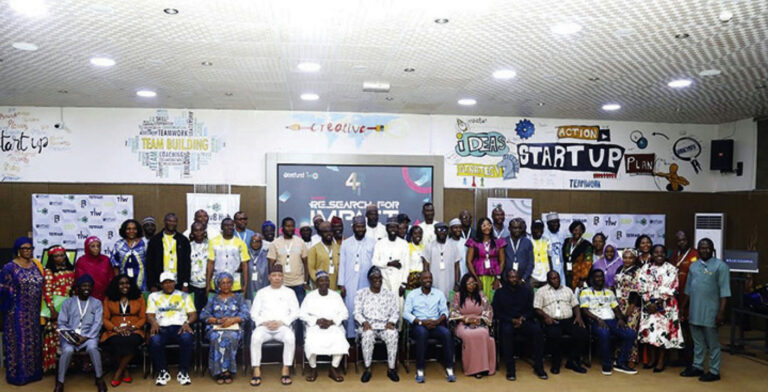
The question featured prominently when the Osteogenesis Imperfecta Foundation in Nigeria marked its 10th anniversary with an awareness and educational programme at the University of Ibadan. Medical professionals, researchers, disability advocates, affected individuals and their families gathered under the theme: ‘Hope, Strength and Resilience’, to examine the medical, psychological, social and economic challenges associated with the condition.
For Stephen and his mother, the anniversary was more than a celebration. It was an opportunity to turn personal hardship into a platform for helping others.
Childhood of pain and uncertainty
The O.I and disability advocate, Tarela Aghanti, deputy governor, National Youth Council of Nigerian Europe Chapter, recalled that her pregnancy with Stephen differed from her first. She noticed that her abdomen did not grow as expected and that the baby’s movements seemed unusual. Despite antenatal appointments and scans, the condition was not identified.
Medical personnel reportedly attributed her relatively small pregnancy bump partly to her slim build, while she was reassured that babies differed in their movements.
When Stephen was delivered, weighing approximately two kilogrammes, she suspected something was wrong. His body appeared unusually contracted, with visible abnormalities around his legs and thighs. He cried persistently, leaving the family struggling to understand his distress.
According to her account, he had six fractures at birth. The family remained in hospital for several days, hoping the crying would subside, but the problem continued after they returned home. His mother said some traditional postpartum massage and stretching practices appeared to cause additional fractures, worsening their ordeal.
The experience made her an advocate for educating parents, grandparents and other caregivers about the dangers of applying force to babies whose bones may be unusually fragile.
She stated that further medical investigations revealed multiple fractures, which began a prolonged process of treatment and care.
A fracture, according to her, could require a plaster cast for six to eight weeks, yet another injury might occur before the first had healed. Stephen sometimes had one arm and both legs immobilised simultaneously, she said.
The mother explained that hospital visits, diagnostic examinations and treatment became part of family life. Also, she noted that transporting a crying baby through traffic, particularly when urgent medical attention was needed, was distressing, while the financial demands continued to mount.
‘They said my child was bewitched’
Aghanti recalled that some people in her community, including individuals she considered close friends, suggested that her son had been bewitched. One person reportedly advised her to leave him with his grandmother and move on with her life while she was still young. She rejected the suggestion.
Stephen, she insisted, was her child, and she would not abandon him. She added that the support from her father, siblings and her husband’s relatives strengthened her resolve during the most difficult periods.
Aghanti eventually travelled to the United Kingdom with Stephen, where he received a diagnosis and access to specialised treatment. Although fractures continued, the family benefited from medical interventions and a more supportive environment. The experience, she revealed, shaped her determination to help Nigerian families confronting similar challenges.
When she began her advocacy work, she said, she did not know other Nigerian families living with the condition. She said the isolation she experienced usually left her feeling suspended between heaven and earth in those days, and unable to see beyond the pain and uncertainty surrounding her child.
But she resolved to ensure that other parents would not face the same ordeal without information, guidance or support. The determination, she stated, became a driving force behind her involvement in the Osteogenesis Imperfecta Foundation in Nigeria.
From fractures to a future of possibilities
Stephen, the mother informed, began receiving zoledronate treatment at about five years old. Initially, he felt unwell for several days after each administration, although the effects became shorter as he grew older.
He subsequently underwent surgery to insert rods into his leg bones to provide structural support. The rods helped reduce the likelihood of some severe fractures but did not prevent every injury.
As he grew, another operation became necessary because the original rods could not accommodate his increasing height. Surgeons removed them and inserted extendable rods.
Despite the difficulties, Stephen completed his university education. He described his university years as challenging but expressed gratitude for graduating and optimism about the next phase of his life.
He hopes to build a career in computer games technology. His message to people living with disabilities is that using a wheelchair or having limited physical mobility does not mean life has ended.
Graduation, for him, was not the conclusion of a struggle but the beginning of another chapter.
However, his experiences in Nigeria exposed shortcomings in disability inclusion. Stephen recounted difficulties at a Nigerian airport, where passengers on wheelchairs, requiring assistance allegedly experienced delays, poor communication and inadequate support.
He complained that his wheelchair was not returned promptly after the flight, while personnel that were supposed to assist him, purportedly failed to explain the procedures for completing the arrival process from the United Kingdom.
He also described seeing an elderly passenger in a wheelchair apparently left waiting for an extended period.
Stephen lamented that his wheelchair was not used to move him from the tarmac into the arrival hall. He added that is wheelchair was built for his needs, while different types of wheelchairs were also built for specific purposes but.
He said the development was a total departure from what is obtainable in more developed countries on the type of care being given to people on wheelchairs.
OI: Condition healthcare workers may miss
Medical professionals have also warned that limited awareness of OI can complicate diagnosis, particularly where genetic disorders receive insufficient attention.
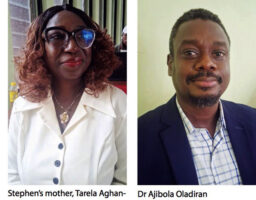
Dr Ajibola Oladiran, Head of the Department of Orthopaedics at the College of Medicine, University of Ibadan, explained that OI affects bone strength and increases susceptibility to fractures.
Using reinforced concrete as an analogy, he explained that bones depend on collagen and other structural components to withstand forces.
He revealed that abnormalities affecting collagen production or function could compromise bone strength, making fractures more likely under relatively minor pressure.
Oladiran stated further that the condition varies considerably in severity. Some children, he said, experience severe forms, with fractures occurring before birth and complications that might threaten survival in infancy.
He clarified that others live into adulthood, but usually continue to experience fractures and physical limitations.
Oladiran stressed the importance of healthcare professionals recognising OI because routine procedures might pose additional risks to patients with fragile bones. Dentists, he stated, might need to take special precautions to avoid injury during treatment.
Management of the health condition, according to him, might require coordinated care involving orthopaedic surgeons, paediatricians, nurses, physiotherapists and occupational therapists, depending on the patient’s needs.
He added that treatment could include fracture management, medication, mobility support, rehabilitation and assessment of associated complications.
He argued that exposing medical students and trainees to the condition could improve recognition and treatment.
Oladiran noted that repeated fractures in children might initially be attributed to accidents or abuse, adding that clinicians should also consider whether an underlying medical condition explains the pattern of injuries, without jettisoning safeguarding concern.
He asserted that correct diagnosis could change the direction of care, help families understand the condition and prevent inappropriate treatment or unfair accusations.
In the same vein, Dr Moses Balogun, who has written books and other publications on OI, also listed the consequences of delayed diagnosis.
He recalled a baby girl, aged approximately three to six months, who was brought to an intensive care unit after being delivered at a private medical facility.
Her excessive crying when touched prompted further examination, which revealed fractures affecting all the long bones and rib fractures at different stages of healing.
The child also had respiratory complications associated with the fractured ribs, he said.
Balogun said the medical team faced difficult decisions about protecting the limbs while managing her wider medical needs. The availability of paediatric ventilation and intensive-care facilities helped the team manage the case, and the child survived.
Balogun said the case demonstrated why repeated fractures in an infant should prompt careful investigation rather than assumptions about their cause.
“Without appropriate diagnosis, families may move between hospitals without receiving clear explanations, while treatment focuses on individual fractures instead of the underlying condition. Opportunities for genetic counselling and informed family planning may also be missed,” he noted.
He also called for wider dissemination of knowledge to encourage early diagnosis and better management.
Rare diseases may exist but insufficiently recognised
The Provost of the College of Medicine, University of Ibadan, Prof Temidayo Ogundiran, was represented by Prof Taiwo Lawal, who conveyed the institution’s goodwill and welcomed its partnership with the foundation.
He challenged society’s understanding of rare diseases, and observed that although a condition might be uncommon, the challenges it presents are not rare to the person living with it.
The need for treatment, support, dignity and understanding, he said, remained urgent, regardless of how many people have the condition.
He also suggested that some conditions described as rare might be insufficiently recognised.
Ogundiran said the university’s engagement with the foundation offered opportunities to strengthen medical education and encourage students to approach less common conditions with competence and compassion.
Psychological cost of O.I
Aghanti described years of fearing that ordinary handling could cause another injury for Stephen. Bathing, dressing, carrying and playing could become sources of anxiety, while she had to balance protecting Stephen with allowing him to develop independence.
She stated that stigma and accusations could further strain family relationships, particularly when relatives disagree about treatment or precautions.
She said the foundation seeks to identify people living with OI, provide guidance and connect families with appropriate assistance.
“Support before and after surgery is also important when children and caregivers may experience heightened anxiety,” she said.
Aghanti credited her husband and other relatives with helping Stephen through difficult periods. She also described collaboration with people experienced in mental health care during her time in the United Kingdom.
The foundation encouraged affected families to share experiences and learn from one another. Such connections, she was optimistic, could reduce isolation and provide practical information to parents struggling to understand an unfamiliar diagnosis.
Decade of advocacy and intervention
The Osteogenesis Imperfecta Foundation in Nigeria, established in 2016 to improve awareness, access to care and support for people living with the health condition, used its 10th anniversary to reflect on a decade of advocacy and humanitarian intervention.
Aghanti said the foundation had worked to identify affected children and connect them with medical assistance, counselling and mobility support.
She acknowledged the collaboration, including support from specialists in the United Kingdom, who had helped provide wheelchairs, crutches and other assistive equipment.
According to her account, the foundation had distributed thousands of pieces of mobility equipment, including to people living with disabilities other than OI.
She recalled that patients underwent surgery in Nigeria in 2023, with rods donated through an international partner. She expressed appreciation to participating medical professionals and said another set of rods had been donated for planned operations.
Such interventions, she explained, were significant because suitable implants and specialist surgical expertise might be beyond the reach of some families.
She emphasised that surgery is only one aspect of OI management, adding that patients might need long-term follow-up, medication, rehabilitation, mobility equipment and psychological support.
Aghanti said the partnership with the University of Ibadan was intended to bring OI to the attention of medical students, researchers and practitioners.
She encouraged students to consider the condition for dissertations and clinical investigations, with the aim of improving recognition and management.
Research that gives patients a voice
Aghanti presented findings from qualitative research examining the experiences of people living with OI in Nigeria and Kenya. The study involved six participants who took part in semi-structured interviews.
The themes included psychological stress, emotional burden, stigma, resilience, identity and the importance of social support.
Participants also decried the difficulties of navigating societies, where disability might be misunderstood or viewed through prejudice.
The research also called attention to the importance of respectful, person-centred language, and argued that individuals should not be reduced to their medical conditions.
During the panel discussion session, the participants called for more African research into OI, where limited published information could make it difficult to assess the condition’s prevalence and wider effects.
The road ahead
Participants agreed that awareness alone would not resolve the challenges confronting people with OI. Improvements in healthcare delivery, professional training, assistive technology and public infrastructure are also necessary.
They suggested that medical education should equip healthcare workers to recognise unusual fracture patterns and consider underlying bone disorders where appropriate.
According to them, better coordination among specialists could provide more comprehensive care, while improved diagnostic services would help families obtain timely answers.
They stated further that access to suitable mobility equipment is equally important, while wheelchairs and crutches could improve independence, but their benefits are limited when schools, workplaces, roads and public buildings remain inaccessible.