Follow Us on Google

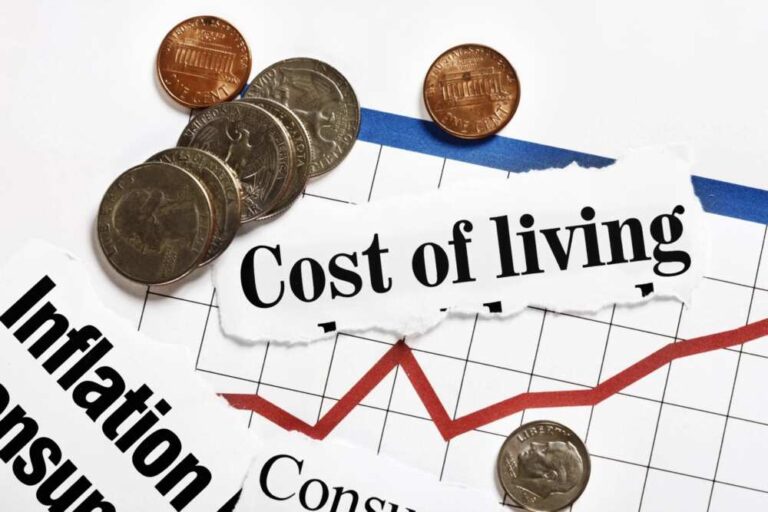
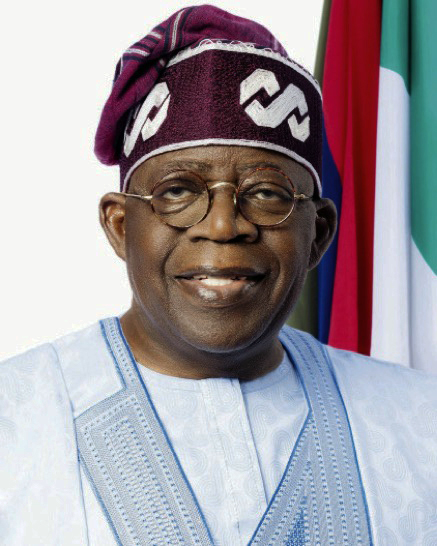
In an apparent move to tame rising inflation and alarming increase in food prices, President Bola Tinubu has declared a state of emergency on food security. The Presidential Adviser on Special Duties, Communication and Strategy, Dele Alake, disclosed this to journalists in Abuja after meeting with key stakeholders in the agricultural sector. Consequently, the National Commodity Board will assess food prices and ensure stability.
The government has also ordered the immediate release of fertilizers and grains to farmers and households to mitigate the effects of fuel subsidy removal. The President has also charged security agencies to protect farmers and farmlands and check disruption of farming activities across the country. To this effect, all matters relating to food, water availability, as well as essential livelihood items will now be within the purview of the National Security Council. The government will activate 500,000 hectares of farmland as part of the measures to tackle food inflation.
While government’s move to curb rising inflation and alarming food prices is commendable, we enjoin that it will do more to set the economy on the path of recovery and sustainable growth. Sadly, Nigeria has maintained a less than three per cent annual growth in the last couple of years. Under former President Muhammadu Buhari’s administration, the economic growth was abysmally low.
The World Bank’s recent prediction that without the right monetary and fiscal policies, Nigeria’s inflation may reach 25 per cent by end of the year, should worry our policymakers. According to the Consumer Price Index (CPI), the inflation rate for the month of May stood at 22.41 per cent. Besides, the Food and Agricultural Organisation (FAO) has also raised the alarm that food insecurity is worsening in Nigeria.
The UN agency has estimated that about 25.3 million people will face acute food insecurity between June and August season in Nigeria if the government fails to address rising prices of food. This is higher than the 19.45 million it projected for the same period last year. With inflation rate at 22.4 per cent, the challenge of moving the economy forward from its present wobbling state requires a hands-on approach. Taking any wrong step now will likely worsen the situation.
Let the Central Bank of Nigeria (CBN) tame the rising inflation through money supply stability and other measures. No doubt, the high inflation is one of the drivers of rising food prices. Therefore, keeping inflation low will radically bring down food prices. Resetting the economy calls for short, medium and long-term measures with definite timelines.
At the same time, the government may reduce the money in circulation. However, there is need to avoid high interest rate that will only benefit the banks at the detriment of borrowers, especially the manufacturing sector. In addition, the government needs to strengthen the Monetary Policy Committee (MPC) of the CBN to include more independent members beyond the present four out of the 12. Recently, President Tinubu suspended the implementation of some tax charges made by former President Muhammadu Buhari in the Finance Act designed to generate more revenue for the federal government.
The suspension of the telecoms five per cent tax and the Customs tariff, and other measures will ensure a temporary reprieve to businesses and households groaning under the recent hardships arising from removal of fuel subsidy and other government’s policies. Although the Organised Private Sector (OPS) commended Tinubu for the suspension of some taxes, it contended that the measures were inadequate to curb the rising inflation and other challenges affecting the manufacturing sector.
The OPS called for more tax waivers in view of its members being choked by over 30 multiple taxes. Without additional tax waivers, it will be extremely difficult for the OPS to contribute meaningfully to the growth of the country’s GDP. The economy is also in dire need of more foreign investments.
The National Bureau of Statistics (NBS) says that foreign investment inflows in Nigeria has declined by 35 per cent in the last one year. In all, the federal and state governments should put good policies in place that will reduce the rising costs of goods and services. This is the right time to pursue an aggressive diversification of the economy.