Follow Us on Google
By Henry Uche
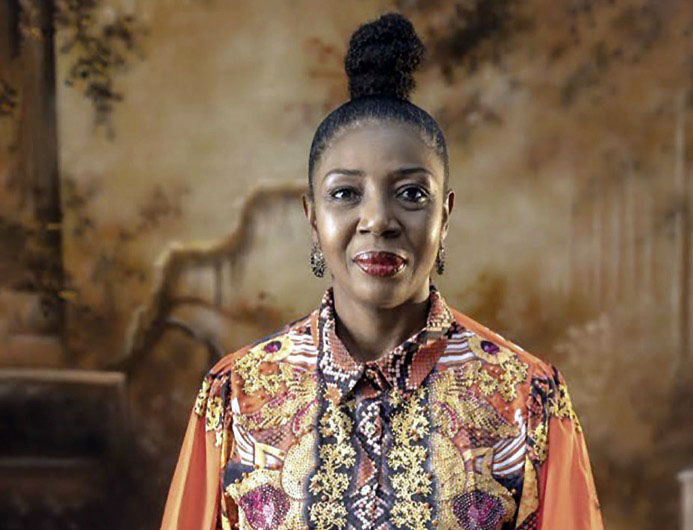
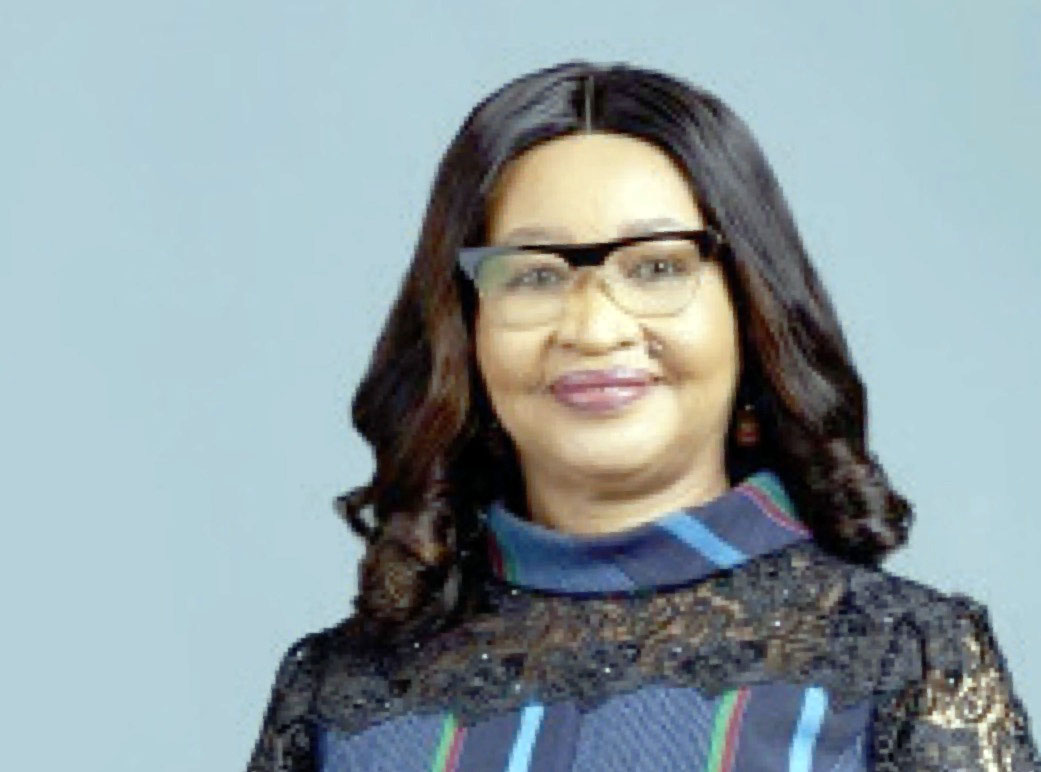
Dr Ije Jidenma is a prominent Nigerian management consultant, corporate governance expert, board director and human-capital development specialist with more than three decades of professional experience.
Jidenma has been consistent in her advocacy for ethical leadership, women’s inclusion, human capital development, meritocracy and stronger corporate governance in Nigeria and Africa. She also founded the Goddy Jidenma Foundation in memory of her late husband and is involved in philanthropic and leadership development initiatives.
As a past President/Chairman of the Council of Chartered Institute of Directors (CIoD) what major governance gaps do you believe corporate organisations must urgently address?
As the world changes rapidly, there are many governance gaps that we need to urgently address. In Nigeria, the three key topmost gaps, in my opinion, are that of board composition, enterprise risk management and ineffective succession planning. The need for board autonomy has been identified by the Securities and Exchange Commission (SEC) under the Investments and Securities Act (ISA) 2025. The low ratio of independent non-executive directors (INEDs), is addressed by the Nigerian Code of Corporate Governance 2018 (NCCG 2018) issued by the Financial Reporting Council of Nigeria (FRCN). Boards must fix this to ensure proper, unbiased and strategic oversight and prevent insider domination. Secondly, with the rise of the digital economy, organisations are porous to cybersecurity threats engineered both locally and globally. Enterprise risk management must now be embedded in strategy and proactive approach, adopted. The era of paper-only risk management and the treatment of risk oversight as a check the box affair have gone. To survive, it is advisable for Boards to have committees on risk management as a stand-alone function against the classic Board Audit & Risk Management structure that are commonly available especially in non-financial institutions. Thirdly, the gap in well thought-out succession planning is common. Founder-centric key-person risks are a challenge and contributory to a significant portion of corporate failures. Without the deliberate institutionalisation of transparent succession frameworks, we would continue to experience corporate failures across generations.
How would you rate the current state of corporate governance in Nigeria, and what reforms are needed to build stronger institutions and nations?
Corporate governance is being strengthened in Nigeria. The awareness and need to do so, is increasing through the strong advocacies of governance institutes such as the Chartered Institute of Directors (CIoD), the Society For Corporate Governance (SFCG) and the Institute for Chartered Secretaries and Administrators of Nigeria (ICSAN) which are all working together through capacity building, advocacies and professionalisation of Directorship and Company Secretaryship, to strengthen governance in Nigeria. For instance, the Chartered Institute of Directors (CIoD) has just launched its very robust flagship Chartered Directors Programme. The CIoD also runs a Master Class that certifies Independent Directors. The products of this standardised training programme are then listed in the CIoD Independent Directors’ Register. The Register provides suitably qualified nominees to requesting boards across all the sectors of the economy, in line with their specifications. The governance institutions in Nigeria invariably provide the pipeline of talent needed for the institutional reforms. The regulators are also working hard in the same vein but a lot more needs to be done especially with reference to the politicisation of appointments of directors in the public sector at both the state and federal levels. The development of the code of corporate governance in the public sector should be sped up by the Financial Reporting Council of Nigeria (FRCN). Hopefully, with time more directors, especially independent non-executive directors with the required capacity, competence and ethical standing, will be appointed into the Boards of agencies and parastatals of government.
What lessons from your leadership experience at CIoD can help organisations achieve sustainable growth?
My stewardship at the CIoD demonstrated how networking and building a community of directors can have a truly synergistic effect. ‘Iron sharpeneth iron’, as the saying goes. Through knowledge sharing, relationship building, exposure and mentorship, a lot is achieved. I witnessed collaborative ties and partnerships forged. These yielded great dividends, access to credit and exposure to foreign direct investments, achieved through the innumerable fora such as webinars, roundtables, local & offshore programmes, membership evenings, local & international delegate exchanges etc. The individual and teams are at the core of sustainable growth in organisations. An aggregate of well informed, orientated and future-ready talents will inevitably shape the growth and sustainability of an organisation across the Environment, Social and Governance, (ESG) framework.
With the heightened need for accountability and transparency, how can boards of directors balance profitability with ethical responsibility?
Board members must be orientated to appreciate that their role is tied to long-term existence and sustainability of organisations whereas Management is delegated to see to the day to day operations. Balancing profitability with ethical responsibility, entails making ethical consideration at the core of the decision making. One cannot go wrong in the long-term having ethics embedded in the organisation’s shared values which technically is the way things are done. Sometimes, an organisation can take a ‘cut’ in its dividends or even pause it for long-term consideration. Accountability and transparency engender trust in an organisation and trust is essentially the shared belief that employees, leaders and organisations will act with integrity, competence and benevolence in the interest of all concerned.
With your extensive background in human resources and organisational development, what skills do Nigerian leaders need most to thrive in today’s business environment?
Today’s environment demands leaders with systems thinking capability. Today’s leaders not only have to be strategic, they have to be pro-active in approach as well as flexible and adaptable enough to change as set parameters do. This is very much needed in risk management in a world fraught with emergent and evolving cybercrimes. Apart from foundational financial and commercial acumen, digital and AI literacy is key not in terms of technical skills acquisition but in terms of literacy and application. Of course, in a world where AI and robotics facilitate analytical work, high -level relationship management skills and application emotional intelligence are keys to success. There is a need for compassion and empathy. As it is commonly stated, “People will remember how you made them feel long after they forget what you said.” Of course, trust is the new currency in business. So, ethical leadership that anchors itself on reliability is central.
Many organisations struggle with retaining top talent. What strategies should companies adopt to attract and keep high-performing employees?
Retention of top talent is a challenge that organisations struggle with today. Employees these days do not see life-long employment as something desirable. Top talents are empowered and more enlightened in terms of their uniqueness and the specificity of their needs and wants. They desire wide options, hybrid work, flexible time, on-site and off-site considerations. As a result of top talent empowerment, there is a rise in customisation of remuneration packages, ensuring that specific needs are met while ensuring that these are tied to their KPIs. Post-COVID-19 pandemic has led to flexibility in terms of work structuring and is part of the emergent consideration in the retention of top talents. A top talent can be primarily located in one continent with his or her family and be rendering service in another continent. Advancement in technology has enhanced ways and means of tracking at individual, team and organisational levels. Organisations routinely carry out reviews of remuneration and compensation structuring in comparator companies which they benchmark to ensure that the pay for their top talents are competitive. Some also strive to ensure that these employees are well engaged and provided with elements that would make their organizations ‘a great place to work’.
What barriers still limit women’s advancement into boardrooms?
The barriers limiting women’s advancement are two-fold. One is self-limiting barriers. These are engineered and reinforced by the socialisation process obtainable in the society. Women are typically socialised for the nurturance role. They are brought up to see themselves as providers of effective support to leaders. A very ambitious woman is seen as aspiring to roles not meant for her and is sometimes frowned at by society. The outliers who advance to the boardroom are sometimes seen as outlaws and are frowned at as trying to break societal norms. The other self-limiting barrier is the tendency not to seek for knowledge and effectively fortify themselves with the competencies required at the boardroom as well as the needed exposure readily available to their male counterparts through the so-called “old boys network”. The impostor syndrome which women struggle with as a result of internalised self-doubt is a barrier, which is addressed through fireside chats, mentorship and coaching schemes. It is important for organisations to intentionally seek qualified and suitable candidates for the boardroom giving the varied perspectives they bring to the board and limit the ‘herd-mentality’. Where equity is not institutionalised, women are unwittingly excluded from advancement into the boardroom. This is because their access is grossly limited in terms of viable networks or pipelines from which Board appointments are made. Again, they need substantial role models to inspire them to aspire for Board roles.
What practical steps can organisations take to increase women’s representation in leadership positions?
The practical steps an organisation can take to increase women’s representation in leadership positions is to have a target which the organisation will steadily work towards. There could be special gender-based programmes tailored towards overcoming socio-psychological or attitudinal challenges that women face as they rise through the rungs one example of which is, Mentoring and sponsorship schemes can also be implemented within the organisation. Enrolling female employees in professional organisations that prepare people at various levels of leadership is also very effective as these organisations help to expose them. For instance, the Chartered Institute of Directors (CIoD) prepares and equips directors to provide ethical leadership and make the necessary impact in the society or their various organisations. Women Corporate Directors is also a good example of exposure to both local and global levels. Several leadership institutes abound. There is the Women in Management, Business and Public Service (WIMBIZ), the Women in Successful Careers, (WISCAR) and others which are providing opportunities for mentorship and various preparations needed at various levels of leadership in the society, as entrepreneurs, business executives or even in the not for profit and even informal sectors. Leadership skills such as public speaking, delegation, problem solving, decision-making and systems thinking etc are inculcated.
Moral decay is a big challenge among young people. The future seems frightening. What can be done to rescue the future of Nigeria from moral collapse?
There is no doubt that moral decay has become a major challenge in recent times, especially with the ascendancy of social media. It was easier to limit the influences that young people are exposed to in the past physically. Today, virtual access has made it virtually impossible and internalising of great core values aggressively competes with not only peer influence but also undue commercial exposure. Luckily, efforts are now being made to regulate these same technologies that have made all these possible. Only recently, the silicon valley USA-based technological giant, Meta, was fined for the addictive nature of Facebook. Of course, the hand that rocks the cradle rules the world. Mothers should pay great attention to their children’s upbringing particularly in their formative years and not leave them to the whims and caprices of domestic workers. Early childhood education curriculum needs to be overhauled to ensure that moral codes as well as civics and history are integrated at this stage. It is the primary stage that lays a solid foundation from which the child will not depart from. The behaviours we reward in the society are reinforced whereas those we do not, get extinguished.
Looking back at your career journey, what defining moments shaped you into the corporate leader you are today?
A very important defining moment that shaped me was when I found a great alignment and congruence between my personal values and the corporate values of the company I joined at the early stage of my career, the then Price Waterhouse (now PwC).The independence in thinking which came naturally to me was further sharpened, allowed to thrive, rewarded and reinforced. Another defining moment was when I was appointed to the Board of First Pension Custodian Limited in 2011. My nomination came as a huge surprise to me but I geared up, learning from the springs of wisdom and experience of distinguished personalities like Chief Joseph Sanusi, (a former Governor of Central Bank of Nigeria) who was the Chairman of the Board, whilst bringing my specialist skills to bear in the proceedings. The third one, was my nomination and election as the Second Vice President of the Chartered Institute of Directors Nigeria which came in a totally unexpected and rapid succession. It came with the challenge of juggling the running of my professional services firm, board roles with the transformative journey which then IoD embarked upon. I made tremendous sacrifices particularly in terms of the devotion of my time to the affairs of the Institute but later realised that it was indeed a privilege and honour to serve in this capacity and lead such varied and sophisticated leaders. The interactions with the other Office Bearers, Members of the Governing Council and Past Presidents & Elders, rubbed off positively on me. All these defining moments and many others have worked together to make me the corporate leader that I am today. This is not to discountenance my commitment to self-development and continuous learning which have taken me to citadels of learning in several cities across five continents. These include the Lagos Business School, IESE Business School, Spain, Harvard Business School, USA, Cranfield
School of Management, United Kingdom, Kellogg School of Management, USA, IMD in Switzerland and a host of conferences, locally and internationally.
What advice would you give to young professionals aspiring to become directors and business leaders?
My advice to young professionals who are aspiring to become directors is to join institutes that are devoted to directors’ development and corporate governance. The Chartered Institute of Directors has the Young Directors Forum (YDF) where aspiring Directors are nurtured, mentored and appropriately exposed. The Chambers of Commerce are also melting points for grooming and exposing business leaders. For instance, the Nigeria South Africa Chamber of Commerce has recently created a cadre for SMEs. I am also aware that the Nigeria British Chamber of Commerce already has that category. These chambers and others not mentioned here, create special opportunities for learning and knowledge sharing for these cadre of leaders, sometimes free of charge or mostly at moderate or at subsidised rates. They are given opportunities to network, serve in committees, develop and sharpen their leadership skills, observe and learn from peers across board and from their seniors or more experienced counterparts across the sectors of the economy and sometimes internationally through trade delegations, exchanges etc. Other global platforms such as AISEC, serve as veritable platforms for young people to develop their leadership potential through practical experiences that include internships and working in multicultural environments.
What legacy do you hope to leave in the areas of governance, leadership development, and nation-building?
My personal goal is to contribute to nation building and integration of the African continent especially through talents identification, and sharpening them to be agents of change and equal contributors to humanity at the global stage. I have served in the governance, remuneration and nomination committees of several boards and councils and have actually chaired some of them, bringing my independent judgment to bear in the progress and sustainability of these institutions. Hopefully, my footprints have been solidly laid in some, if not all of them. I have also served as Chairman of Boards. This implies involvement at the highest level of decision making on behalf of the various stakeholders. Nation building is at the centre of my thoughts and action. I have devoted my time in various ways to this at different stages of my life, without counting the cost. I served as the President of Soroptimist International, Surulere in the late nineties. During my tenure, my programme of action focused on the eradication of ‘Secret Cults’ in the universities which was rampant then; wellness and preventive medicine such as screening of market women for basic indices such as high blood pressure, deworming of school children and giving values re-orientation talks to various groups. I founded the Goddy Jidenma Foundation in memory of my husband. The Foundation has been at the forefront of thought leadership in Africa through its flagship biennial lectures. It has instituted prizes of excellence and public speaking in some secondary schools across Nigeria and engages in philanthropy targeted at the vulnerable segment of the society such as widows.
The world order is evidently at the verge of re-setting. If I can help educate, enlighten and practically demonstrate that we can work together as one, nationally, continentally and internationally, I would have fulfilled my purpose and my legacy is left to posterity to judge.