Follow Us on Google

From Idu Jude, Abuja
Marine and Blue Economy expert Dr. Chika Ethel Chukwudi has said that the sector has the potential to rival the oil and gas sector and is a major economic diversification and alternative revenue source in the country.
In view of these, she has called for collaboration of the government, stakeholders, and communities across Nigeria to leverage the benefits of the emerging sector for job creation and general development of the country.
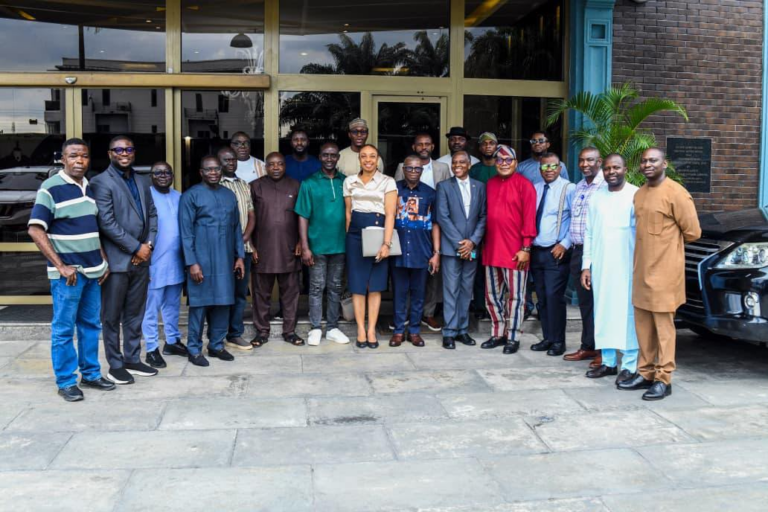
Dr. Chukwudi, an assistant director at the Nigerian Maritime Administration and Safety Agency (NIMASA), made the call while speaking during the presentation of a book she authored, titled ‘Blue Economy: Gateway to a Sustainable Future’.
She called for the need to explore the Blue Economy as a pathway for economic diversification, environmental stewardship, and sustainable growth in Nigeria.
She further stated that the Blue Economy offers numerous benefits to a nation like Nigeria battling to enhance the well-being of the people, including environmental conservation, improved livelihoods, and food security.
Dr. Chukwudi suggested that establishing community-based programmes to promote sustainable ocean management practices and support local economic development, provide training and capacity-building opportunities for educators, community leaders, and entrepreneurs, and foster partnerships with government agencies, private sector companies, and civil society organisations to support Blue Economy initiatives will go a long way in achieving this goal.
Other News
She asserted that Nigeria’s exploration of the untapped potential within the blue economy must be established, with a clear understanding of the concept and the immense benefits it holds for the nation.
Speaking on her new book, the author disclosed that it is organised into seven chapters, divided into cover, concepts, pillars, sectors, benefits, challenges, and implementation frameworks for the Blue Economy in Nigeria.
According to her, “It traces the evolution of the Blue Economy from traditional maritime activities to a modern, sustainable model, explores key agencies under the Blue Economy in Nigeria and their collaborative roles in governance and economic growth.”
She said that the book introduces the concept, definitions, and global relevance of the Blue Economy, emphasising its importance for Nigeria’s socio-economic transformation.
The book explores the four pillars—environmental sustainability, economic growth and innovation, social inclusion, and livelihood creation—and sectors such as fisheries, tourism, maritime transport, renewable energy, and biotechnology.
It discusses job creation, innovation, and inclusive growth opportunities, alongside environmental and structural challenges, and advocates for intergovernmental and community collaboration.
She explained that by adopting a Blue Economy approach, nations can promote sustainable development, reduce poverty, and protect the environment for future generations.