Follow Us on Google
By Lukman Olabiyi
As the holy month of Ramadan comes to an end, a familiar transition begins for millions of Muslims, one that moves from the intensity of fasting and nightly prayers back to the routines of everyday life.
Yet, for Islamic scholars and clerics, this transition is not a return to old habits but a call to sustain the spiritual momentum built over the past month.
Ramadan, marked by fasting, prayer, charity and deep reflection, is widely regarded as more than a seasonal act of devotion.
It is a period designed to inspire lasting transformation, one that shapes not only personal faith but also relationships within society.
At the 15th annual Ramadan public lecture of the Peace Estate Central Mosque in Baruwa, Ipaja area of Lagos, clerics emphasised that the true success of Ramadan lies in what happens after the fasting ends.
The Chief Imam of the mosque, Professor Lukman Adedeji, described the holy month as a period of moral rejuvenation, where Muslims undergo both spiritual and ethical training.
“Ramadan is a period of moral rejuvenation when Muslims go through lessons of moral revamp. It is a time when we exhibit the best of humanity in character and conduct, living in ways that please Allah and benefit the community,” he said.
According to him, the visible changes during Ramadan – heightened generosity, increased devotion and in some cases, reduced social vices – are evidence of the power of faith when consciously applied.
However, he warned that such changes must not be temporary.
“As Ramadan is ending, all the lessons we have learnt during the period should continue after Ramadan so that we can influence others to do what is right,” Adedeji added.
Throughout the fasting period, Muslims intensify acts of worship, including daily prayers, recitation of the Qur’an and seeking forgiveness. While scholars acknowledge that this level of intensity may not be sustained year-round, they stress the importance of consistency in maintaining spiritual growth.
Many believers also extend the fasting beyond Ramadan by observing the six days of Shawwal, a voluntary practice believed to carry significant spiritual reward.
Beyond worship, charity remains one of the defining features of Ramadan.
Generous giving through zakat and sadaqah becomes more widespread, offering relief to the poor and strengthening communal ties.
For Dr. Sheikh A.A. Usman, zakat represents more than a religious obligation; it is a vital instrument for social balance.
“Our fingers are not equal. Some people have more than enough, while others struggle to meet their basic needs. Zakat is a way to create balance in society,” he said.
He explained that sustained charity beyond Ramadan is essential in addressing hardship, reducing inequality and fostering unity.
According to him, withholding zakat not only neglects religious duty but also deprives vulnerable members of society of their rightful support.
Other News
“Zakat brings love, peace, security and unity to a country. Keeping it when due is dangerous because it deprives the needy,” Usman noted.
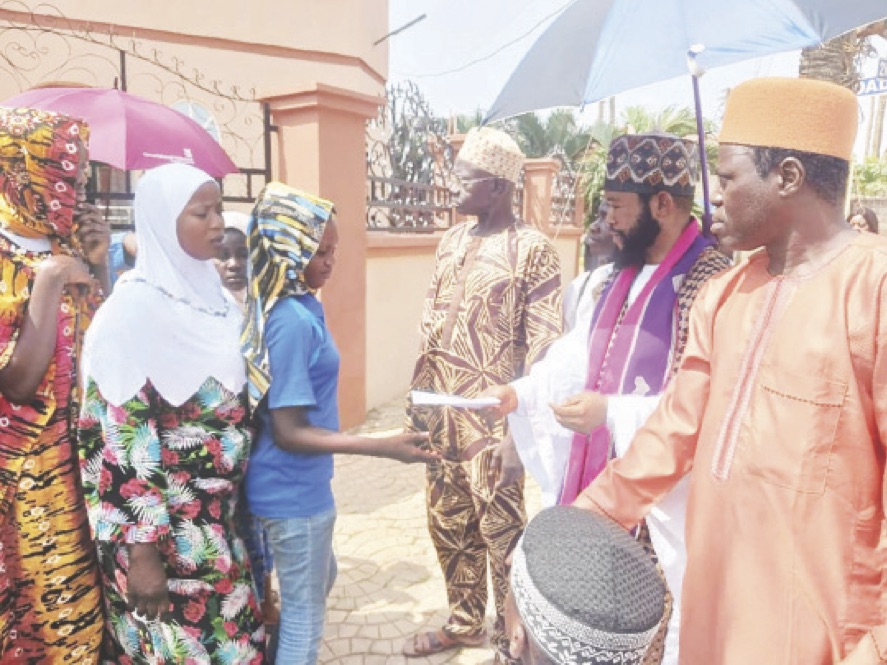
The lecture, which also featured a community outreach and zakat distribution programme, highlighted the practical impact of such giving, as items were distributed to support less privileged members of the community.
Clerics at the event also linked the lessons of Ramadan to broader societal challenges, particularly poverty and hunger, which they described as key drivers of insecurity.
“Hunger is very dangerous. It can push people into actions they would not normally take. It is like a silent weapon,”Usman said.
Adedeji echoed this concern, pointing to the imbalance in wealth distribution as a contradiction of Islamic principles. While noting that poverty does not justify crime, he stressed that greater generosity among the wealthy could help ease social tensions.
“The idea is that wealth should not be concentrated in the hands of a few. When people share what they have, it makes life easier for others and strengthens communal living,”he said.
He also called on religious leaders to intensify efforts in educating the affluent on their responsibilities to society, reminding them that wealth is transient and best used in service to humanity.
“Whatever you have today will not remain with you forever. When you share, society becomes better,” he said.
Beyond charity and worship, Ramadan instills values of patience, humility and self-control.
Fasting teaches believers to avoid anger, dishonesty and harmful speech, reinforcing the importance of good character.
Clerics say maintaining these values after Ramadan is the clearest sign of a successful fast.
Equally significant is the sense of unity fostered during the holy month. Families gather for iftar, neighbours share meals and communities come together in worship.
Scholars encourage Muslims to preserve this spirit by promoting peace, forgiveness and mutual support long after Ramadan has ended.
Despite Nigeria’s current socio-economic challenges, Usman expressed optimism about the country’s future, urging citizens to remain hopeful and committed to positive change.
“I have hope that Nigeria will become one of the best countries in the world. It is only a matter of time. People should continue to pray and have faith,” he said.
As the holy month fades, the message from clerics remains clear: Ramadan is not an end in itself, but a beginning.
It is a spiritual training ground meant to reshape habits, deepen faith and inspire a more compassionate way of living.
The real challenge, they say, is ensuring that the discipline, generosity and moral consciousness cultivated during Ramadan continue to guide actions throughout the year.
For many Muslims, the journey does not end with Eid—it simply enters a new phase, one where the true essence of Ramadan is lived out daily.