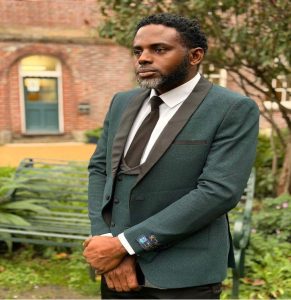
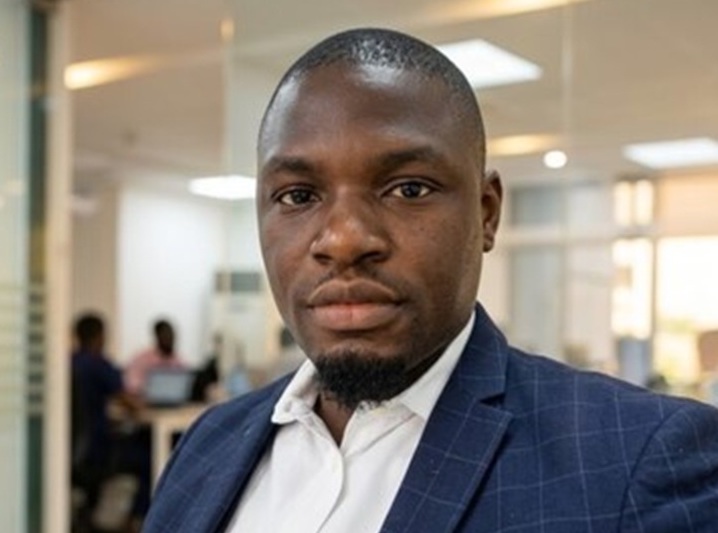
In a world increasingly challenged by industrial pollution and environmental degradation, Azeez Lamidi Olamide has emerged as a visionary leader, transforming complex scientific research into actionable solutions for communities at risk. “Research is only meaningful when it translates into real-world change,” he asserts, his tone resolute yet measured. “Our work must protect communities, guide policymakers, and anticipate future environmental challenges before they escalate.” As the driving force behind a multidisciplinary environmental foundation, Olamide’s career spans cutting-edge toxicology studies, sustainable development initiatives, and advanced computational modeling, proving that science can be both rigorous and profoundly practical.
Olamide spearheads the foundation’s research agenda, focusing on the intersection of environmental toxicology and sustainable community development.
“Communities face unique risks that require solutions tailored to their ecosystems, social dynamics, and economic realities,” he explains. Under his leadership, research is designed not merely to generate data but to inform decisions, influence policy, and empower local populations. By connecting laboratory findings with real-world applications, Olamide ensures that environmental science moves beyond theory and directly benefits those most affected.
Advanced modeling tools are central to his approach. Utilizing Python and OR-tools, he translates complex environmental datasets into actionable policy briefs for both local authorities and international stakeholders. “Raw data is overwhelming; it’s only useful when it can guide decisions,” Olamide says. His computational frameworks analyze patterns of industrial toxin dispersal, predict long-term environmental trends, and offer concrete recommendations for intervention. These insights have already informed regional policy adjustments, improving water safety, air quality monitoring, and sustainable land-use planning in underserved regions.
Grant acquisition and strategic partnerships also fall under Olamide’s purview. “Environmental research often requires significant resources, and collaboration is key,” he notes. Leading grant-writing efforts and fostering partnerships with academic institutions has allowed his foundation to fund large-scale Environmental Impact Assessments (EIA) that meet and exceed global ISO standards. These projects have provided robust evidence for policymakers, ensuring that interventions are scientifically validated, sustainable, and socially responsible.
Maintaining the integrity of research outputs is another cornerstone of Olamide’s methodology. Every study adheres to global Environmental Management System (EMS) standards, from experimental design to reporting. “Transparency and methodological rigor are non-negotiable,” he explains. “Policy recommendations must rest on a foundation of credibility, reproducibility, and global best practices.” This commitment to excellence ensures that the foundation’s work is trusted by governments, NGOs, and international agencies alike.
Machine learning has emerged as a game-changer in Olamide’s approach. He has directed the implementation of ML workflows to predict long-term environmental trends in underserved areas. “Machine learning allows us to model scenarios that were previously impossible to anticipate,” he observes. By training algorithms on historical and real-time environmental data, Olamide’s team can forecast pollution hotspots, anticipate industrial impacts, and recommend targeted interventions well before crises occur. The insights generated through these models have influenced regional sustainability policies, providing officials with actionable intelligence for preventive measures.
To facilitate these advanced analyses, Olamide architected a multi-layered computational framework using OR-tools and Python to simulate the long-term dispersal of industrial toxins. “Our framework considers everything from chemical properties to social and geographic variables,” he says. “This multi-dimensional approach gives us a nuanced understanding of environmental risk, which is critical for designing effective interventions.” The models are not merely theoretical they have guided remediation programs, improved monitoring protocols, and shaped policy recommendations that directly affect vulnerable populations.
Olamide also directs a cross-functional team of engineers and data scientists developing proprietary ML workflows to predict environmental degradation patterns. “We work at the intersection of engineering, chemistry, and data science,” he explains. “By integrating expertise across disciplines, we generate insights that single-discipline studies could never achieve.” These workflows are now actively used by policymakers and community organizations to make informed decisions regarding resource allocation, hazard mitigation, and sustainability planning.
Reflecting on his broader mission, Olamide emphasizes the role of science as a tool for empowerment. “Our work is about foresight, precision, and responsibility,” he says. “When research is done properly, it doesn’t just document problems it provides solutions, guides action, and strengthens the resilience of communities that are too often overlooked.” By combining technical excellence, strategic partnerships, and cutting-edge computation, he has positioned his foundation as a leading voice in environmental policy and sustainable development.
Azeez Lamidi Olamide emerges as more than a researcher or technologist, emerging instead as a catalyst for meaningful change. Through decisive leadership, scientific innovation, and unwavering commitment to practical outcomes, his work demonstrates how rigorous research can safeguard communities, shape policy, and anticipate environmental challenges before they escalate into crises. With sustainable development now essential rather than optional, his approach illustrates the powerful intersection of science, technology, and human-centered thinking, delivering solutions with enduring impact.

 Follow Us on Google