Follow Us on Google
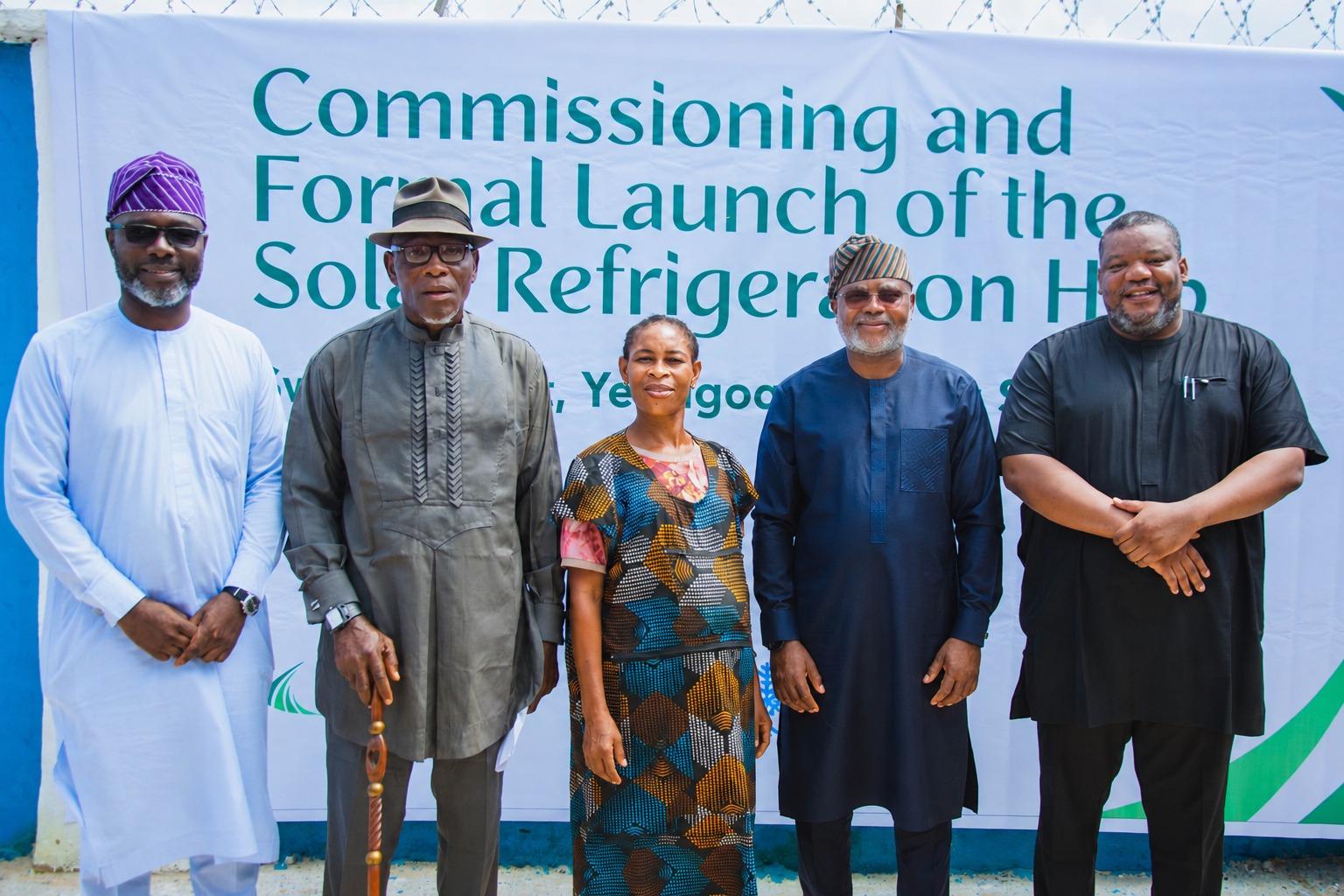
The Foundation for Partnership Initiatives in the Niger Delta (PIND) and ColdHubs Limited have commissioned a solar-powered cold storage and ice-making facility at Swali Market in Yenagoa, Bayelsa State.
The initiative aims to solve one of the coastal region’s most persistent challenges: high post-harvest losses.
Funded through PIND’s Coastal Communities Off-Grid Energy Challenge Fund and built by ColdHubs Limited, the facility relies on a 44kWp solar photovoltaic system paired with a 240kWh battery storage setup.
The site features a walk-in cold room alongside a solar ice-making unit capable of producing up to one ton of ice daily. It provides affordable preservation services to local fisherfolk, food traders, and smallholder farmers operating in and around Swali Market, reducing their reliance on expensive, diesel-driven refrigeration.
Speaking at the launch event, PIND Executive Director Sam Ogbemi Daibo highlighted the broader economic impact of clean energy.
Other News
”This facility demonstrates that renewable energy is more than a source of electricity—it is a catalyst for livelihoods, enterprise growth, and economic resilience. By supporting innovative businesses like ColdHubs, PIND is helping build stronger market systems that reduce losses, increase incomes, and improve food security across the Niger Delta,” Daibo said.
Nnaemeka Ikegwuonu, Founder and CEO of ColdHubs Limited, noted that bringing sustainable cold-chain tech to underserved communities helps bridge that gap.
”For many small-scale producers, the lack of reliable cold storage translates directly into lost income. This partnership enables us to bring sustainable, solar-powered cold chain solutions closer to the people who need them most,” Ikegwuonu said.
Local vendors have already expressed relief over the new installation.
The Swali Market project is part of a broader push by PIND under its Access to Energy and Market Systems Development programs, designed to expand economic opportunities and strengthen agricultural and fisheries value chains throughout the Niger Delta.