Follow Us on Google
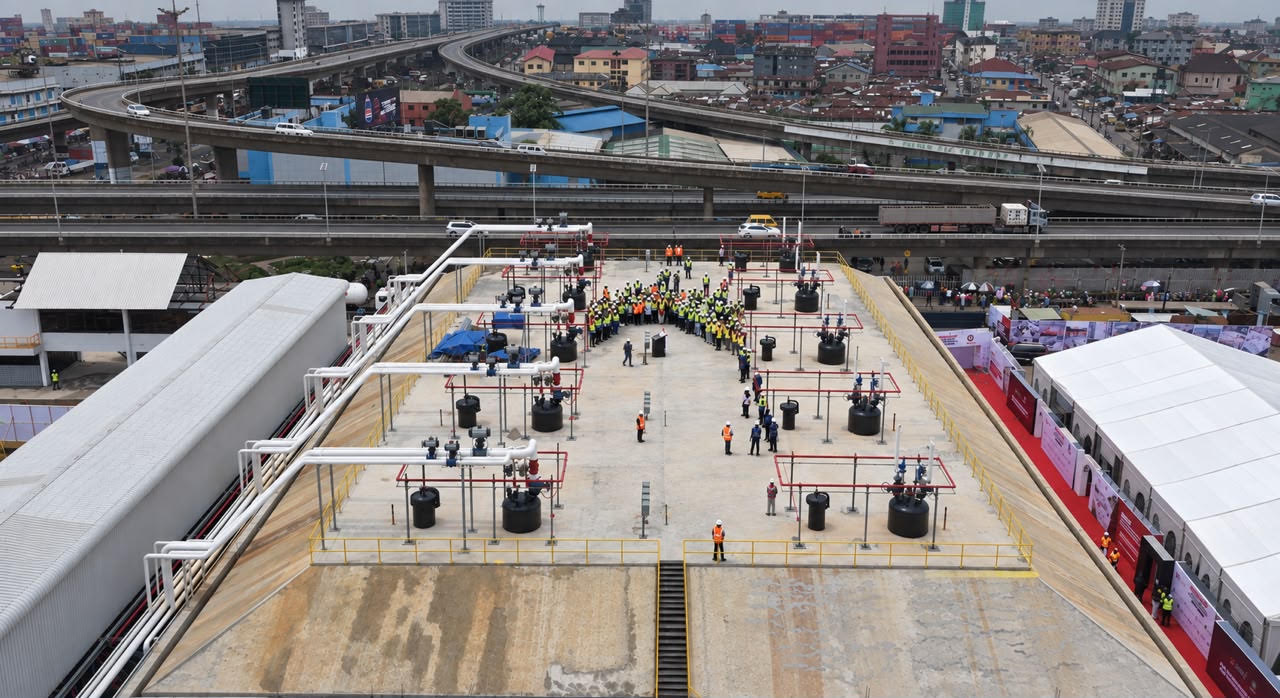
Asiko Energy is positioning its newly completed LPG terminal to drive down the cost of cooking gas by opening Nigeria’s market to cheaper supplies from a wider range of producers.
Managing Director of Asiko Energy, Mr. Felix Ekundayo, disclosed this on the sidelines of the completion ceremony of the forst phase 5,500MT LPG and Propane Terminal in Lagos, yesterday.
He added that the terminal was designed to receive LPG grades that could be blended to meet the required specification.
According to him, the ability to blend different grades would enable the company to access cheaper LPG supplies that are currently excluded from the market because they do not individually meet the required specification.
“The other producers out there that make LPG that is cheaper may not have the right specification, but it can be blended to make the right specification, which will help us drop down the price of cooking gas,” Ekundayo said.
He explained that the facility would have inline blending capability, allowing different LPG grades to be blended automatically as cargoes are discharged from ships before being loaded onto trucks.
Ekundayo said the facility had reached mechanical completion, with instrumentation and electrical works, valve testing and emergency-system checks expected to be concluded within the next few weeks.
He disclosed that Asiko expects to receive its first ship cargo in November.
The project, he said, received funding support from the Midstream and Downstream Gas Infrastructure Fund (MDGIF), which helped accelerate the completion of the first phase and would support the next phase of development.
Beyond LPG, Ekundayo said Asiko was expanding its operations into compressed natural gas (CNG) and liquefied natural gas (LNG), with plans to establish CNG facilities at two locations before moving into LNG.
He said the company was also expanding its footprint beyond its existing operations in Abuja and Edo State into Rivers State, as part of its broader gas development strategy.
Ekundayo, however, lamented that Nigeria was yet to fully monetise its gas resources, arguing that greater domestic utilisation would enable gas to displace more expensive fuels and strengthen economic activity.
“Gas should be used to displace other fuels so that our economy can grow and our people can be more prosperous,” he said.
The project is also expected to increase employment, with Ekundayo disclosing that between 200 and 300 workers were engaged during construction.
He said the completed facility was expected to roughly double Asiko Energy’s current workforce of about 150 employees, while its planned natural-gas projects would create additional jobs.
However, Ekundayo identified funding as the major constraint to the development of subsequent phases of the project.
According to him, the company has no major technical concerns over the planned expansion, but requires additional capital to execute the next stages.