Follow Us on Google
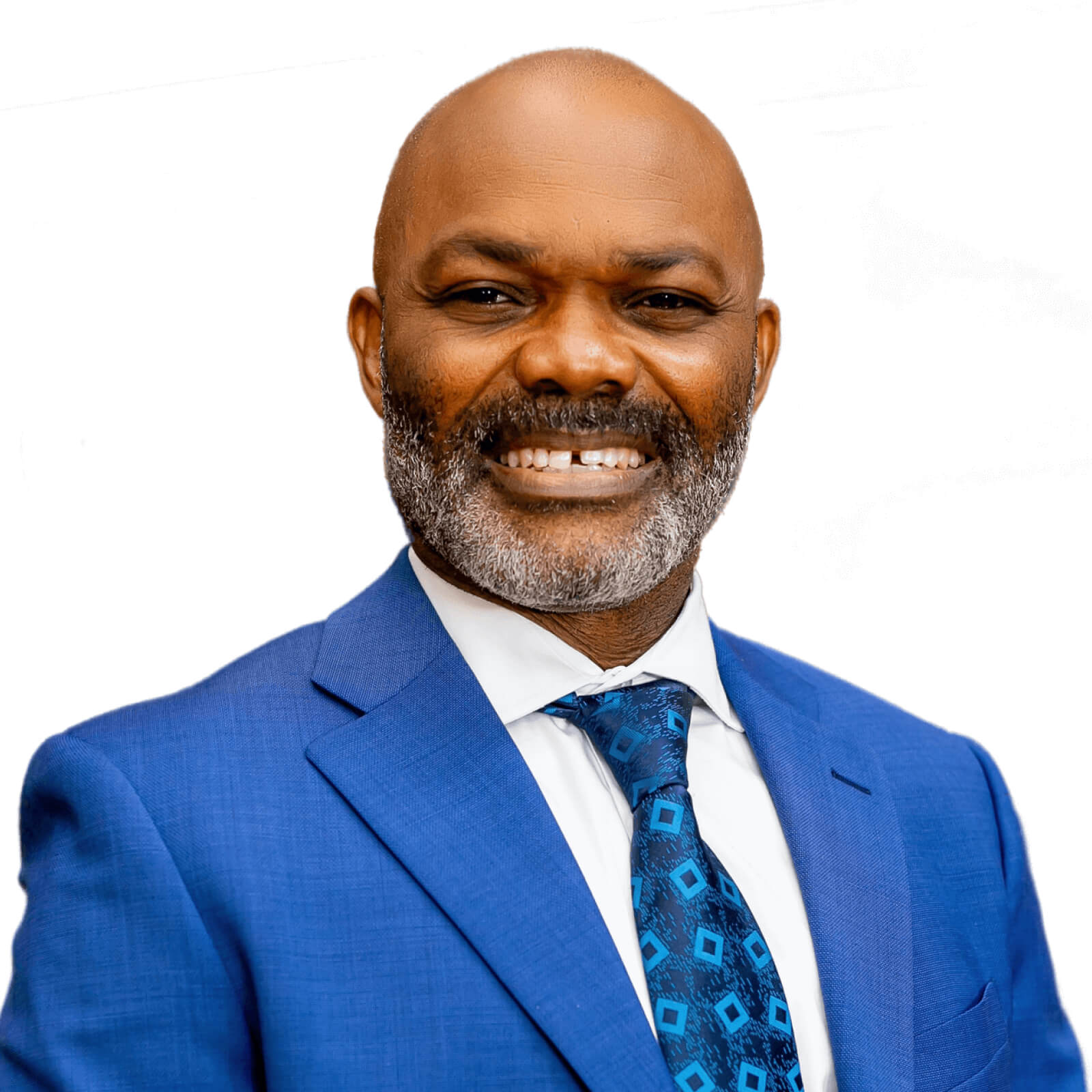
The Chairman of Optiva Capital Partners, Franklin Nechi, has said global mobility has evolved beyond travel and relocation, becoming an important tool for business expansion, family planning, investment diversification and wealth preservation.
Nechi, in an interview on the changing meaning of global mobility, said international access had become increasingly important to African families and entrepreneurs seeking to protect their wealth and create opportunities across different markets.
He said the concept of “Global Mobility as the New Wealth”, which Optiva promoted earlier in the year, had now moved from a business thesis to a reality.
According to him, “wealth without access is stranded wealth”, noting that some people with substantial naira assets had faced difficulties executing international business transactions, responding to medical emergencies or ensuring their children could access opportunities abroad.
“In 2026, access proved more valuable than asset. That reinforced our thesis completely,” he said.
Nechi, however, cautioned that international access should not become an end in itself, saying it should be converted into business opportunities, family options and community impact.
“The smart African is not collecting visas. He is using access to build a supply chain, to secure world-class education, to attract investment back home,” he said.
He described the emerging approach to wealth as a shift from accumulation to positioning.
According to him, the next generation of Africans will be more concerned about the number of markets in which they can operate, the currencies in which their families can earn and save, and the opportunities available to their children without visa restrictions.
On second citizenship, Nechi said it becomes a wealth strategy when the focus shifts from travel to long-term family security.
“When you move from thinking ‘Where can I go next month?’ to ‘Where can my children live, learn, work and thrive in the next 30 years regardless of what happens in any one economy?’, at that point, it is no longer a travel document. It is an insurance policy, a business tool, and a succession instrument,” he said.
He said changes in immigration policies globally in 2026 had also shown that applicants needed to pay greater attention to transparency, timing and the credibility of their advisers.
He identified the end of “cheap, casual citizenship” as one of the major lessons of the year, saying governments were increasingly demanding transparency, verifiable sources of funds and credible applicants.
Other News
He also listed Grenada, Canada’s Start-Up Visa and selected European Union residency programmes among pathways he said could offer value, while cautioning against programmes promising unusually fast or cheap access without adequate due diligence.
“If it sounds too cheap and too fast, it will be too risky. Credibility is the new currency,” he said.
For African entrepreneurs, Nechi described global mobility as the “operating system” for international business, arguing that entrepreneurs based in Nigeria increasingly needed the ability to engage clients, investors, employees and partners across different countries.
He dismissed concerns that global mobility necessarily encouraged capital flight, arguing instead that it could facilitate capital circulation through trade, investment and international partnerships.
“Our clients are not moving money out to abandon Africa. They are creating global access to bring money back in – through trade, through investment, through partnerships,” he said.
Nechi said the globally competitive African entrepreneur of the next decade would need to be globally compliant, mobile and credible, while maintaining strong economic and personal ties to Africa.
He said Optiva’s approach differed from simply selling citizenship programmes, saying the company focused on developing long-term strategies around clients’ family and business objectives.
“We do not sell passports. We build legacy strategies,” he said.
Nechi said Optiva had also strengthened its compliance systems, legal partnerships and due-diligence processes to meet growing global demands for transparency.
He described the belief that second citizenship was necessarily a sign of disloyalty to Nigeria as a misconception.
“Second citizenship is not about leaving Nigeria; it is about ensuring Nigeria does not leave you behind,” he said.
Looking ahead to 2027, Nechi urged Africans to think beyond wealth accumulation and focus on access, impact and legacy.
“Do not just build wealth. Build access. Do not just build access. Build impact. And do not just build for today. Build a legacy that will make your children proud to be African and ready for the world,” he said.