Follow Us on Google
From Noah Ebije, Kaduna
The Nigerian Institute of Architects (NIA), Kaduna State Chapter has constituted a committee, comprising of senior members of the institute from private practice,academia and government agency to ascertain the immediate and remote causes of Zaria central mosque collapse.
The mosque which a portion collapsed and killed 12 worshippers and injured many others penultimate Friday was said to had been built around 1820s by local builders.
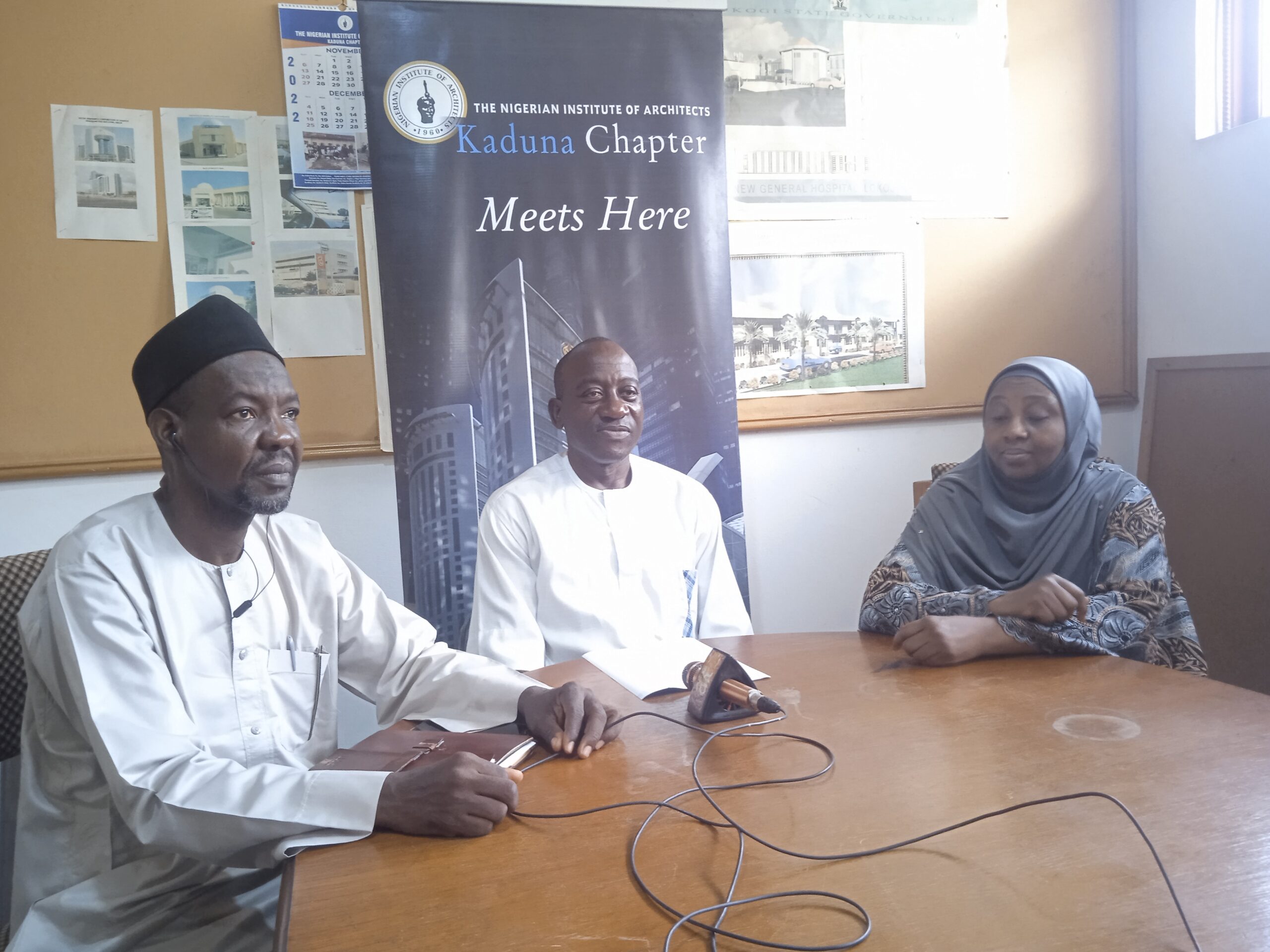
However, addressing a press conference on Wednesday, Chairman, Kaduna State chapter of NIA, Arc Samuel Obaje said preliminary investigation based on assumption showed that the Mosque collapse due to wear and tear as well as heavy water lodge in the mud roof section of the building,among other factors.
Arch. Obaje said following the incident, the Institute constituted a
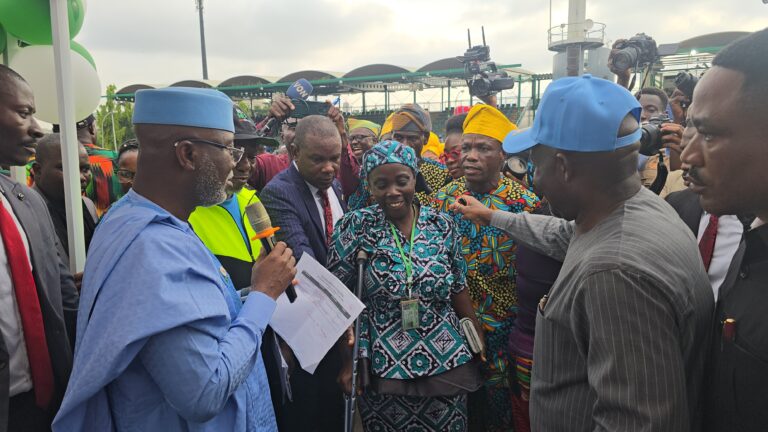
delegation that paid a condolence visit to the Emir of Zazzau, Ambassador Ahmed Nuhu Bamali, and also undertook
preliminary inspection of the collapsed portion of the Mosque with a view to
identifying the immediate and remote causes.
He said the NIA chapter would at the end of the committee’s finding come up with a resolution on the way forward with a view to restoring the building to normal use.
“The Nigerian Institute of Architects, Kaduna State Chapter received the news of the tragic incidence with sadness by this development, quickly constituted a
delegation that paid a condolence visit to the Emir of Zazzau and also undertook
preliminary inspection of the Collapsed portion of the Mosque with a view to
identifying the immediate and remote causes of the collapsed portion of the
mosque.
“It is instructive to note that this Mosque is a historical monument that has been in existence for about 200 years having been constructed around 1820 by the
“Babban Gwani”(Chief Builder) during the reign of Emir Jafaru and has
experienced rehabilitation and maintenance at various times including the recent upgrade and expansion of the mosque to accommodate more worshippers.
“The materials used during the construction of the Mosque are primarily Mud (Tubali),straws as stabilising mixture and Palm Stalks(AZARA)as reinforcements to strenghten the constructed elements of domed roofs and Piers (Columns) While Mural finishing touches were made on the surfaces to enhance the beauty
of the facades which is still being maintained as at the time of the collapse incidence.
“Preliminary inspection carried out by our team of Architects indicate that the
building has undergone wear and tear normally associated with buildings with
some of the Palm Stalk roof elements being weak and could not carry the self
dead weight of the structure.
“The recent renovation and expansion of the mosque also added some
destabilisation factors to the structure caused by differential settlement of the
new modern concrete structure while the old structure failed to resist this
pressure which resulted in the collapse of the roof.
“Another factor is that there could be leakage from the new roof which allows
water to sip into the mud roof structure. The mud roof structure having absorbed
enough rain water could not be dried due to the aluminium roof cover over it.It is
the saturation of water content within the mud that made it expand with the
added weight of roof elements which led to the failure of the roof.
“You will agree with me that these
assumptions are however speculative and can only be authenticated by a
thorough forensic investigation on the building with a view to ascertaining the
actual cause of the collapse of the building.
“The NIA Kaduna State chapter has constituted a committee that comprises of senior members of the institute from Private Practice,academia and government agency to ascertain these facts and come up with a resolution on the way forward with a view to restoring the building to normal use”. Obaje said.
He however added that in the interim, it was advised that, “For safety purposes,the entire area of the old mosque should be completely sealed off from the public while the New extension can be dermarcated and opened for normal worshiping activities.
“Report of the committee set up by the Nigerian Institute of Architect
should serve as the way forward towards approaching the restoration of
the entire mosque structure for the continuation of normal use.
“Competent firms or individuals in conjunction with the palace builder
(Descendants of Babban Gwani ) should be consulted to come up with
suggestions of a new design for the affected area and other identified
areas that have shown signs of weakness.
“We also implore Governments to prioritise the conservation of all ancient
monuments through regular inspections and rehabilitations with a view to
making them maintain their allure for the viewing pleasure of the public
and for research purposes.
“The public should be sensitised on the need to intergrate these
monuments into modern development rather than demolishing them for
new non-lasting buildings in order to bequit them to future generations.
“Architects cherish conservation of historical monument
that depict the historical antecedents of a people as such we place great value
and emphasis on building of similar nature in order to bequit a legacy to future generations on how far our building techniques have evolved and to show the resilience of these buildings through time and which could give an insight on how we should approach our buildings in the future”.
END.