Follow Us on Google
• Options for Atiku, Obi, others narrow over parties’ legal battles
_______________________________________________________________________
From Fred Itua, Abuja
The political space available to Nigeria’s leading opposition figures, including former Vice President, Atiku Abubakar and Peter Obi, is steadily shrinking as a fresh court ruling against the Nigeria Democratic Congress (NDC) deepens a mood of anxiety, and in some quarters resignation within the opposition bloc ahead of the 2027 general election.
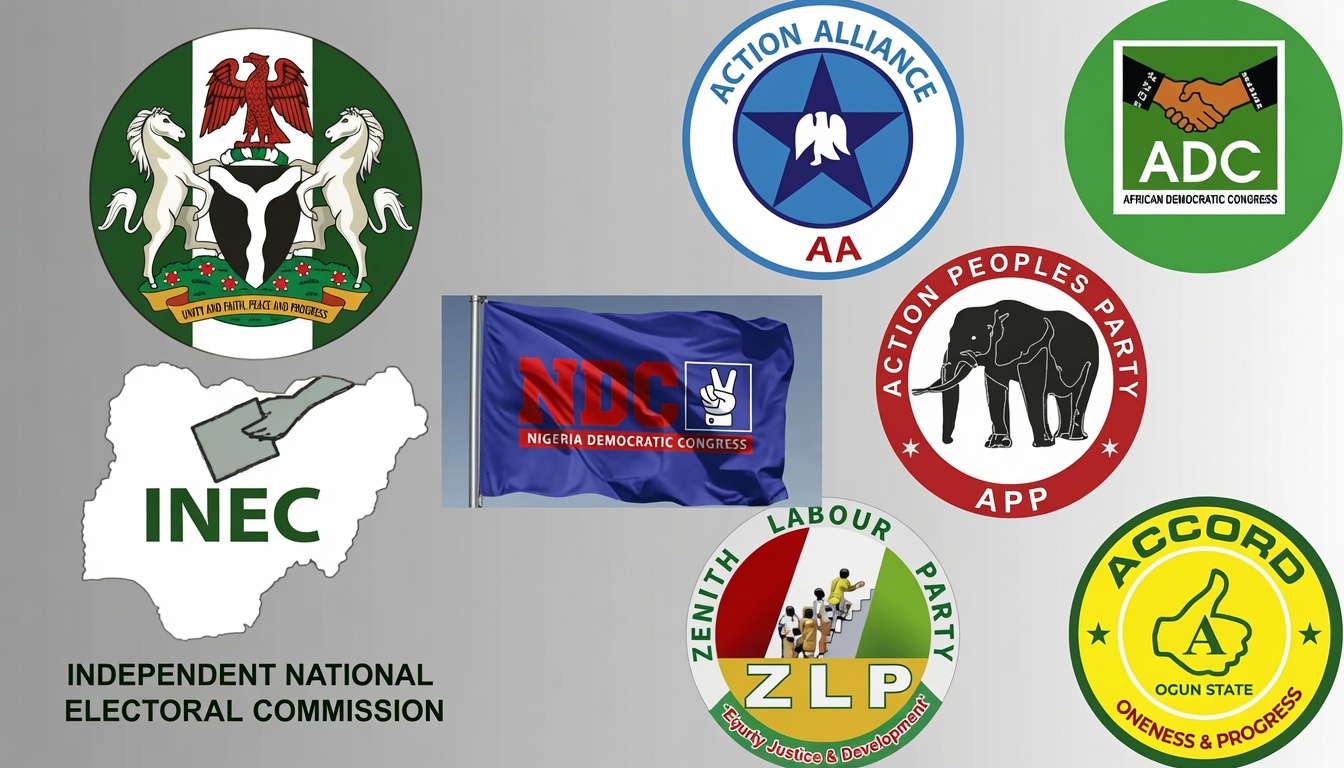
Justice Isah Dashen of the Federal High Court in Lokoja, Kogi State, sitting on Friday, set aside the court’s own judgment of December 10, 2025, which had compelled the Independent National Electoral Commission (INEC) to register the NDC as a political party.
The judge held that the earlier ruling had been delivered without hearing the Peace Movement Party (PMP), an unregistered association that claims ownership of the “victory sign” logo adopted by the NDC, and that the omission rendered the entire process null and void.
He ordered that the status quo be restored to what it was before the December judgment, pending a fresh hearing in which INEC, the PMP and the NDC will all be joined as parties.
The NDC has rejected suggestions that it has been deregistered, insisting through its national chairman, Senator Moses Cleopas Zuwoghe, that the order did not expressly strip it of recognition, and that lawyers have already been instructed to challenge the ruling at the Court of Appeal.
But the party’s defiance has done little to settle nerves either within its ranks or among its allies, who fear the judgment forms part of a wider pattern of legal pressure designed to thin out the field before next year’s polls.
The ruling lands against a backdrop of mounting troubles across the opposition spectrum. The Federal High Court in Abuja recently ordered the deregistration of five parties, namely the African Democratic Congress (ADC), Accord Party (AP), Action Alliance (AA), Action People’s Party (APP) and the Zenith Labour Party(ZLP) over an alleged failure to meet constitutionally required vote thresholds.
A stay of execution from the Court of Appeal has since halted enforcement, but the episode left the ADC fighting for its survival on the ballot. The Labour Party (LP) remains hobbled by parallel leadership structures and an unresolved Supreme Court battle, while the Peoples Democratic Party (PDP) is similarly weighed down by rival factions, each claiming to be the authentic party.
Other News
The New Nigeria Peoples Party (NNPP), formally led by Senator Rabiu Kwankwaso, has likewise been drawn into its own internal disputes, reinforcing the sense that no opposition platform has been spared.
The unresolved troubles bedevilling opposition parties, have therefore left fewer options open to Atiku, Obi and other prominent opposition figures who appear to be shrinking by the week.
With primaries concluded and the window for fresh nominations effectively closed, party officials warn that any adverse outcome on appeal could leave hundreds of already cleared candidates stranded, unable to be replaced or substituted under INEC’s timetable.
For Obi, who has long alleged that the central objective of forces aligned with the presidency is to keep him off the 2027 ballot, the Lokoja ruling is being read not as an isolated dispute over a party logo, but as a further instalment in what opposition figures describe as a coordinated judicial campaign against their platforms.
Beyond the courtrooms, a more corrosive problem is taking hold, apathy. Analysts and party insiders alike point to growing disillusionment among supporters and even some candidates, weary of factional disputes, repeated litigation and uncertainty over which leadership or candidate truly represents a given party.
The fatigue, many fear, could translate into depressed turnout and weakened mobilisation for opposition candidates in 2027, regardless of how the various court cases are eventually resolved.
For the ruling All Progressives Congress (APC), the disarray within opposition ranks has proved a considerable advantage. While its rivals expend resources, time and political capital fighting one another and defending their existence in court, the APC has been able to consolidate its structures largely undisturbed, entering the 2027 cycle with a relatively unified front against a fractured and demoralised opposition.
Critics within the opposition argue that the asymmetry is not accidental, alleging that the wave of litigation has been encouraged, if not orchestrated, by interests aligned with the presidency, a charge the APC has consistently denied.
The NDC insists that it remains on course, with nominations for its legislative and presidential tickets being finalised for submission to INEC even as its legal team races to secure a stay of execution at the Court of Appeal.
But with the clock running down and apathy spreading alongside anxiety, the broader opposition increasingly fears that the contest for 2027 may be decided as much in the courtroom, and in the mood of a disheartened electorate, as at the ballot box.