Follow Us on Google
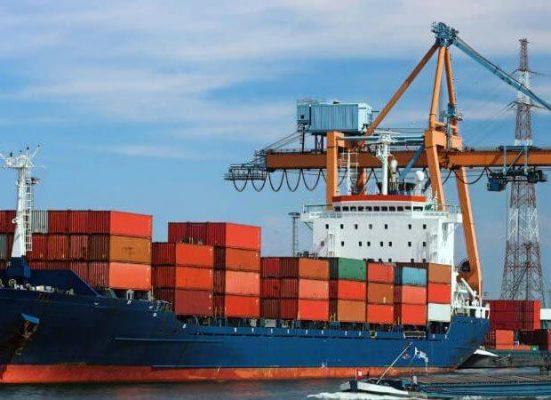
The Patriots Anti-Corruption Initiative has raised concerns over alleged extortion, unnecessary cargo clearance delays and multiple blockages within the nation’s port system, which are resulting in high costs and inflation.
However, the anti-corruption body specifically accused some shipping lines and terminal operators of undermining the Federal Government’s trade facilitation and ease-of-doing-business initiatives in the country.
Speaking at a press briefing during the weekend, National President of the Patriots Anti-Corruption Initiative, Okogbue Eke, said that delays in the issuance of delivery orders, examination of containers, release of cleared cargo and truck call-up processes were imposing additional costs on importers, licensed customs agents and other stakeholders in the maritime sector.
He said that alleged that some agents were compelled to make unofficial payments in order to secure earlier examination dates to fast-track the position of their containers for examination and clearance.
“We have evidence to prove this. If you want 50 pieces of evidence, we can provide them now. Because what they do is that if you want them to give you a date that is closer, you bribe them; that is what is called backyard settlement. Are they denying it? They are not denying it. One of the members yesterday paid N30,000 for a container as a bribe, having paid the normal money, to give him a closer date to examine,” he said.
He called on the Nigerian Shippers’ Council, the Nigeria Customs Service and other relevant authorities to intervene and urgently address the issues.
He urged the Comptroller General of Customs to look into manual blocking of jobs in some Customs units, which he said negates the principle of One-Stop-Shop (OSS).
Meanwhile, the Vice National President, Okwuosa Humphrey, said that shipping companies play a critical role in the maritime industry because they bring vessels and containers into the country, which are subsequently cleared by customs agents.
Other News
He said that shipping lines were expected to support the government’s trade facilitation programme, particularly the objective of ensuring that cargo clearance moves efficiently and without unnecessary obstacles.
However, he alleged that some shipping lines were frustrating the process by delaying the electronic transmission of delivery orders to terminal operators after agents had completed the required release procedures.
He said a process that should ordinarily be instantaneous could take several hours, sometimes preventing agents from taking delivery of their consignments on the same day.
He added that such delays could lead to the accumulation of demurrage charges, which importers and agents are ultimately required to settle before cargo can be evacuated, while also raising concerns over alleged blockages placed on cargo by agencies and other interests outside the established clearance chain.
He said the introduction of the One-Stop Shop was intended to prevent unnecessary interventions by multiple government agencies and ensure that cargo clearance was conducted through a coordinated system.
“Despite this, some interests had resorted to using shipping companies to place holds on consignments, requiring agents to visit offices before their cargo could be released. Such interventions created additional costs and contributed to inflation within the cargo clearance chain,” he lamented.
The body also called for greater accountability among shipping companies, terminal operators and government agencies, insisting that legitimate businesses should not be subjected to unnecessary delays, unofficial payments or repeated regulatory interventions after completing the required clearance procedures.