Follow Us on Google
From Isaac Job, Uyo
Akwa Ibom State Governor Umo Eno has released N5.9bn to strengthen basic education and drive a series of strategic reforms.
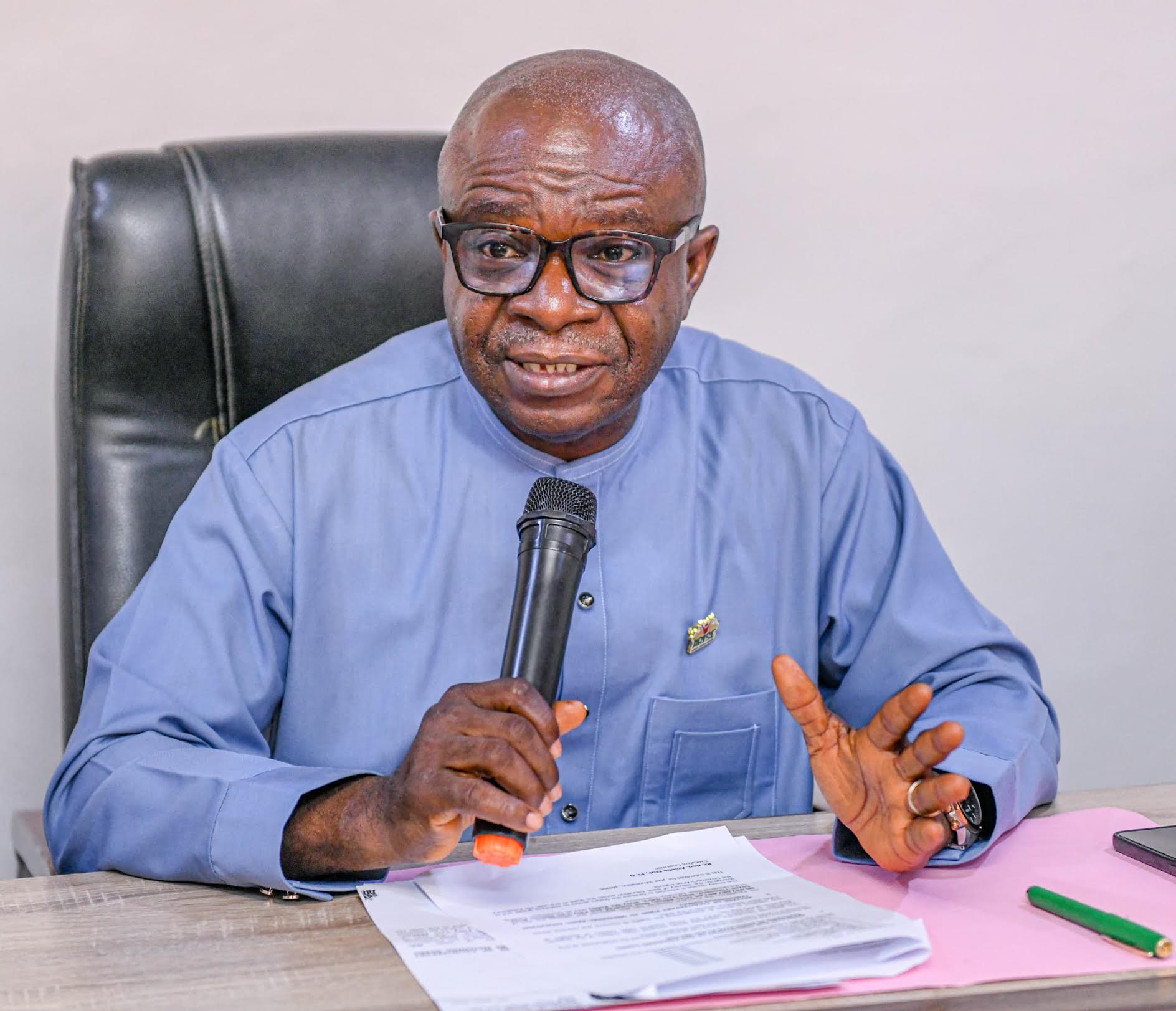
Addressing a press conference at the headquarters of the State Universal Basic Education Board in Uyo, the chairman of the board, Hon. Anietie Etuk, said the financial intervention by Governor Umo Eno would assist in the introduction of a new curriculum, the recruitment of additional teachers and support for multi-billion-naira infrastructure intervention in the state.
Etuk disclosed that Eno had approved and released ₦5.9 billion for 2025 and 2026 intervention projects, adding that there would be a paradigm shift from partial renovations to a more comprehensive approach.
“Intervention will no longer be piecemeal; when we go to a school, we will handle it holistically, classrooms, water, toilets, electricity, and provide everything required to make the environment suitable for learning.”
Etuk, however, expressed concern over rising cases of vandalism and theft of school facilities, urging host communities to take ownership of government investments.
“Government cannot continue to commit huge resources only for facilities to be vandalised.
“Communities must take responsibility to protect what is provided for them.”
He outlined ongoing efforts by the board to improve teaching standards and create a more conducive learning environment for pupils across public primary and junior secondary schools.
Etuk highlighted the planned rollout of a new curriculum for primary schools in the state, which he described as a long-overdue development that would significantly enhance the quality of education in the state.
“For many years, this has not happened but with the new curriculum, we will be able to add value to teaching and learning in our schools.”
On the issue of manpower, the SUBEB chairman explained that the state government had approved the recruitment of 1,000 additional teachers to tackle the shortage of teachers currently affecting schools, adding that priority would be given to ICT and computer science graduates to strengthen digital education.
“We do not have enough teachers in our schools, therefore, we appealed to the Governor, and he has graciously approved the recruitment of 1,000 teachers.
“We are paying attention to ICT teachers because we already have computer labs that require qualified personnel.”
Etuk mentioned disputes between communities and school authorities over school land, noting that such conflicts are negatively affecting school administration and student enrolment.
He urged community leaders and School Management Committees to support, rather than hinder, the smooth operation of schools.
While appreciating the state government’s commitment to education, he emphasised strong foundational learning as critical to overall development.
“If the foundation is not strong, nothing can function properly. That is why we must continue to invest in basic education.”