Follow Us on Google
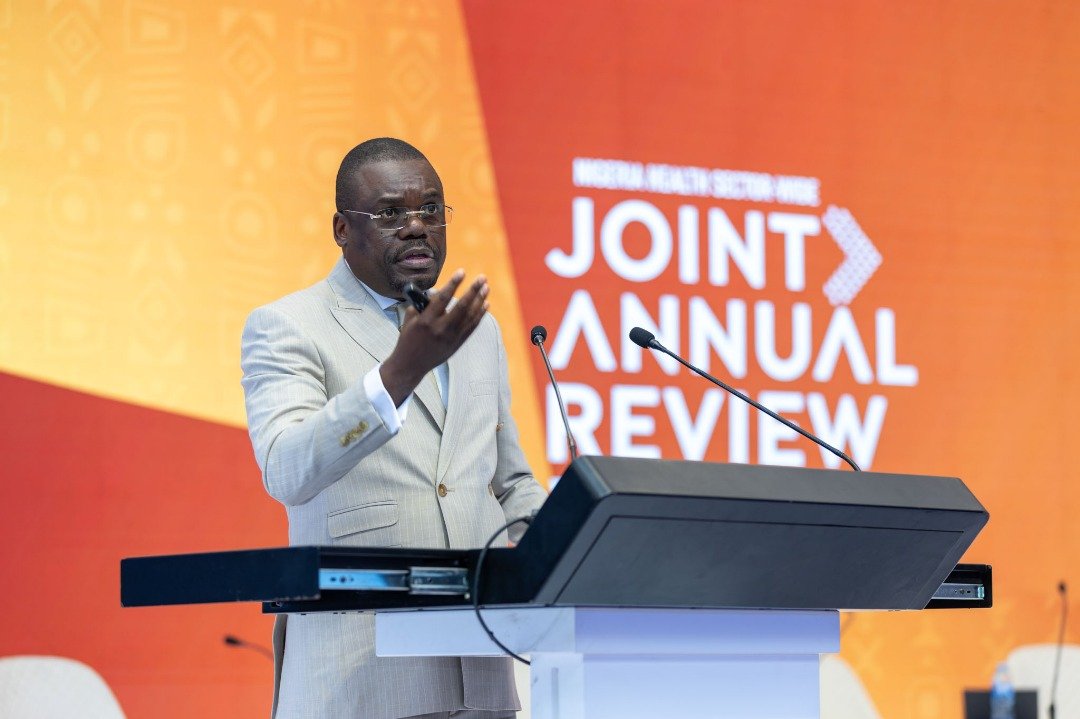
Hails health minister
_________________
From Fred Ezeh, Abuja
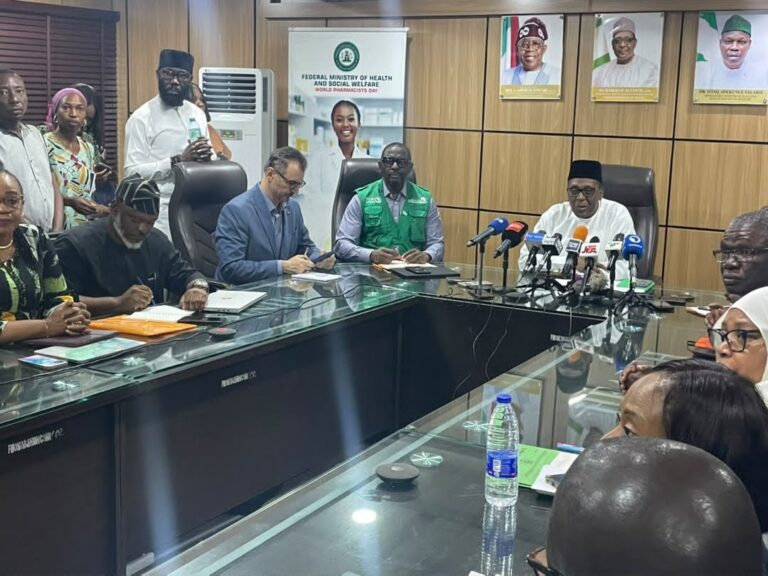
The Director General of the Africa Centres for Disease Control and Prevention, Dr Jean Kaseya, has advocated replication of the reforms being initiated by Nigeria in its health sector.
He highlighted the huge transformation that had accompanied the recent introduction of the Sector-Wide Approach (SWAp) and signing of the Compact with all stakeholders, thus challenging African leaders, particularly Ministers of Health, to take a lesson from the package to improve their healthcare financing and service delivery.
He said that Nigeria’s health sector reforms, including digital payroll systems, SWAp, and expanded private sector involvement, demonstrate Nigeria’s capacity to reduce inefficiencies, improve domestic resource mobilisation, and provide better health coverage for its citizens.
Dr Kaseya, in an address delivered at the second day of the 2025 Joint Annual Review of the Health Sector on the theme “All hands, one mission: Bringing Nigeria’s health sector to light,” in Abuja on Thursday, made reference to available data which had indicated that Nigeria is on the right path in terms of improved healthcare delivery.
He appreciated the efforts of the Coordinating Minister of Health and Social Welfare, Prof. Muhammad Ali Pate, and his team, as well as the support of the international partners that helped to achieve the result within the period.
He said, “This joint annual meeting is critical, not only for Nigeria, but for the African continent. For the next review, I will request the permission of the Minister and the Nigerian people to invite some of your brothers and sisters from Africa to come, sit with you, and learn from you. We come here to tell you, you are on the right track, and we support your approach.
“Over 20 African nations depend on Official Development Assistance (ODA) for more than 30 per cent of their healthcare spending. It means poor people are paying. In some fragile states, more than 60 per cent of health funding depends on ODA. This must change. If Nigeria can cut out-of-pocket expenditure by 88 per cent, the world will be glad. It will become another paradise.
Other News
“Reducing out-of-pocket health spending requires universal health coverage through national insurance systems, not reliance on donor aid. You cannot deal with out-of-pocket payments through ODA. You deal with it by putting in place a national health insurance scheme.
“Nigeria’s Sector-Wide Approach is evidence-based. It is cutting inefficiencies, fragmentation, and weak governance. I am impressed to hear what Aliko Dangote is doing for local production. We need more of Africa’s private sector investing in Africa, before calling others to come.”
He commended the “tireless” efforts of the Coordinating Minister of Health and Social Welfare, Prof. Muhammad Ali Pate, for the reforms he initiated that changed the face of healthcare delivery in Nigeria.
He informed that Africa CDC’s recognition of Nigeria’s effort underscored its growing role as a continental leader. “It shows how evidence-based reforms, strong political will, and strategic partnerships can strengthen healthcare systems across Africa and reduce dependency on foreign aid.
“We are convincing donor countries to make their support Lusaka-compliant. When the Global Fund or Gavi provide funding, they must support national plans. We are so proud of Nigeria. By next year, we will take Nigeria as one of the countries where we will integrate everything and measure the success we are making.
“If the Minister, Professor Pate, talks about Nigeria, people will say he is the Minister. But when I, as a neutral person, speak, I want the world to know that Nigeria is making real progress,” he added.
He, however, announced that Nigeria would serve as one of a few pilot countries for integrated health financing under the G20 partnership.