Follow Us on Google
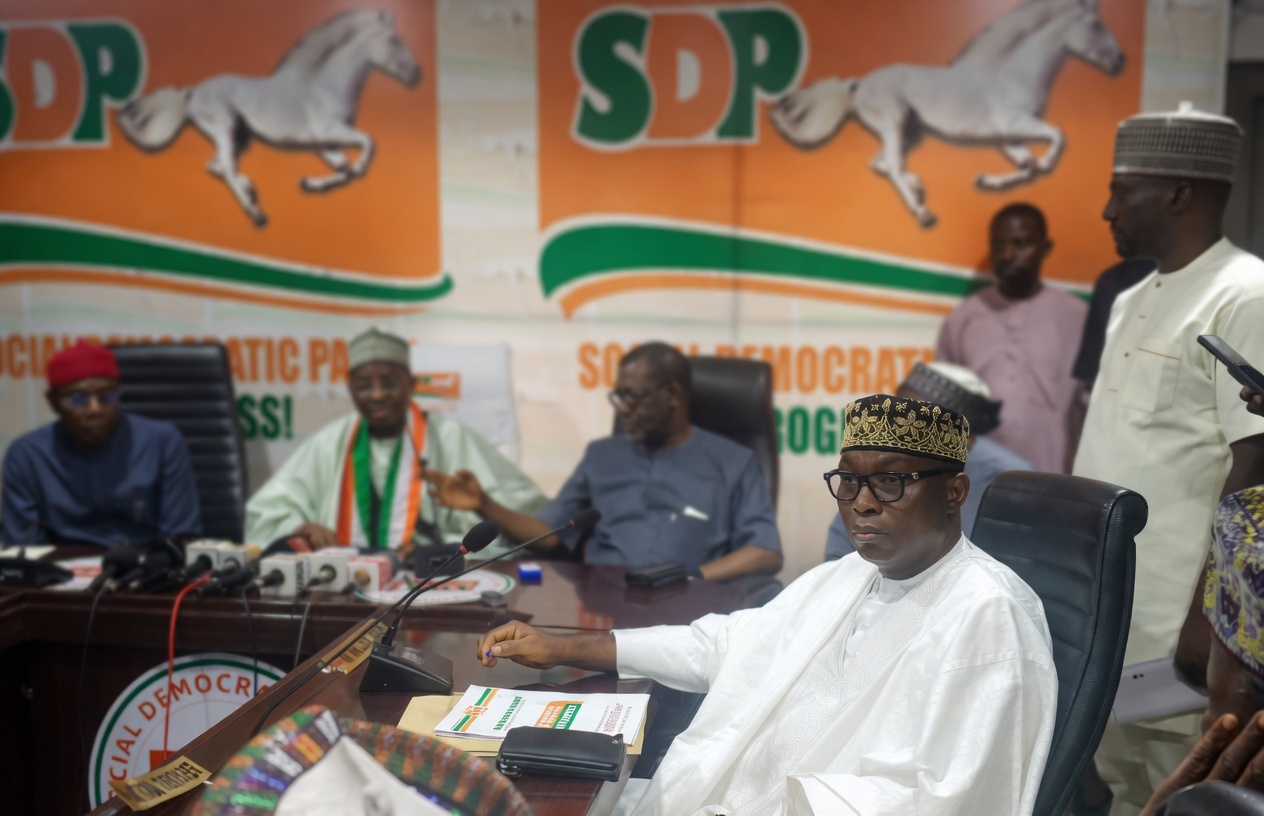
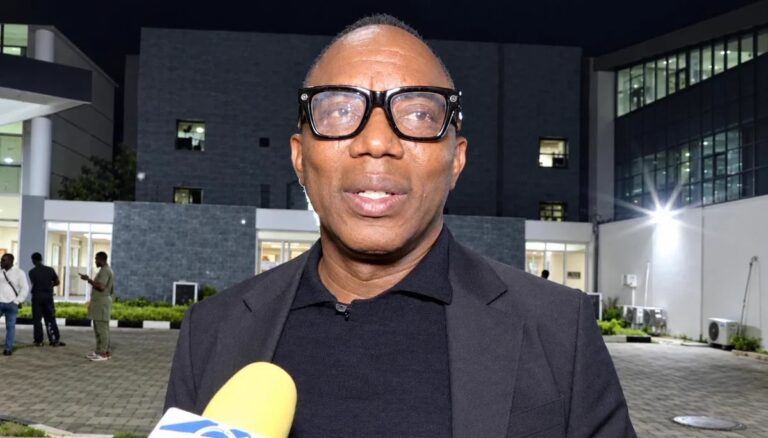
Social Democratic Party (SDP) presidential candidate, Adewole Adebayo, has unveiled a plan to reduce the pump price of petrol to ₦200 per litre, saying the proposal would be driven by increased domestic refining and greater government control over crude supply.
Adebayo said Nigeria’s current petrol pricing system was unsustainable and would worsen poverty, inflation and the country’s broader economic challenges if left unchanged.
Speaking on his economic proposal on Arise News, he said, “What we are recommending and proposing is not something new and we’ve done it successfully over the years until the capacity to govern collapsed completely.”
According to him, the major weakness in Nigeria’s current pricing model is the government’s limited control over petrol supply.
“What is clear and anyone who is in Nigeria will agree that the current pricing mechanism for petrol is not sustainable,” Adebayo said.
“It’s going to increase poverty and it’s going to add a lot of problems to the fiscal and monetary management of Nigeria and cost of living and issue of quality of life and productivity.”
He proposed that the government regain control of domestic fuel supply by reviving publicly owned refineries and ensuring that their output is channelled primarily into the Nigerian market.
Adebayo noted that Nigeria has four major government-owned refineries located in Port Harcourt, Warri and Kaduna, but argued that they have not been contributing adequately to domestic fuel supply.
“Right now they give us zero. We need to make sure that what they produce is dedicated to local consumption,” he said.
The SDP candidate said reducing petrol to ₦200 would only be sustainable if Nigeria could produce a significant portion of the fuel it consumes rather than relying heavily on imports.
He criticised the previous subsidy model, arguing that subsidising imported petrol placed a heavy burden on public finances.
“The fourth principal fault in the pricing mechanism that we’re using before the subsidy was that we were subsidizing products we did not produce,” he said.
Other News
Adebayo argued that domestic production would allow the government to lower production costs and make petrol more affordable without recreating the problems associated with the former subsidy regime.
“When you subsidize products that you produce, the first window for you is to lower your costs and minimize the profit motive,” he said.
He also proposed maintaining a portion of Nigeria’s crude oil production for domestic refining, saying this would help shield the economy from international price volatility and reduce pressure on consumers.
According to him, Nigeria historically reserved between 450,000 and 500,000 barrels of crude for domestic consumption to prevent rising fuel costs from worsening inflation.
“We need to produce. So our affordability plan arises from seizing control of the availability. That is, we will be able to refine. The crude is there,” Adebayo said.
He further alleged that Nigeria’s government-owned refineries were capable of being restored to efficient operation, arguing that the facilities should be rehabilitated rather than sold.
“It’s just that the government has taken the policy to shut them down, to not make them work. So we will make sure they will work,” he said.
Adebayo said he would seek operating and maintenance agreements with competent operators to restore the refineries to efficient production.
“I will not sell them, but I will get them run efficiently,” he stated.
He added that private refineries would continue to have a role in Nigeria’s petroleum industry, particularly in producing for international markets, while government-owned facilities would focus on meeting domestic demand.
“We will give them all the encouragement, all the support to have access to crude, to pay for crude in local currency, so that when they sell overseas, they can export back the forex into the economy,” Adebayo said.
He maintained that restoring domestic refining capacity would be central to his plan to lower petrol prices, reduce dependence on imports and ease pressure on Nigerian households and businesses.