Follow Us on Google
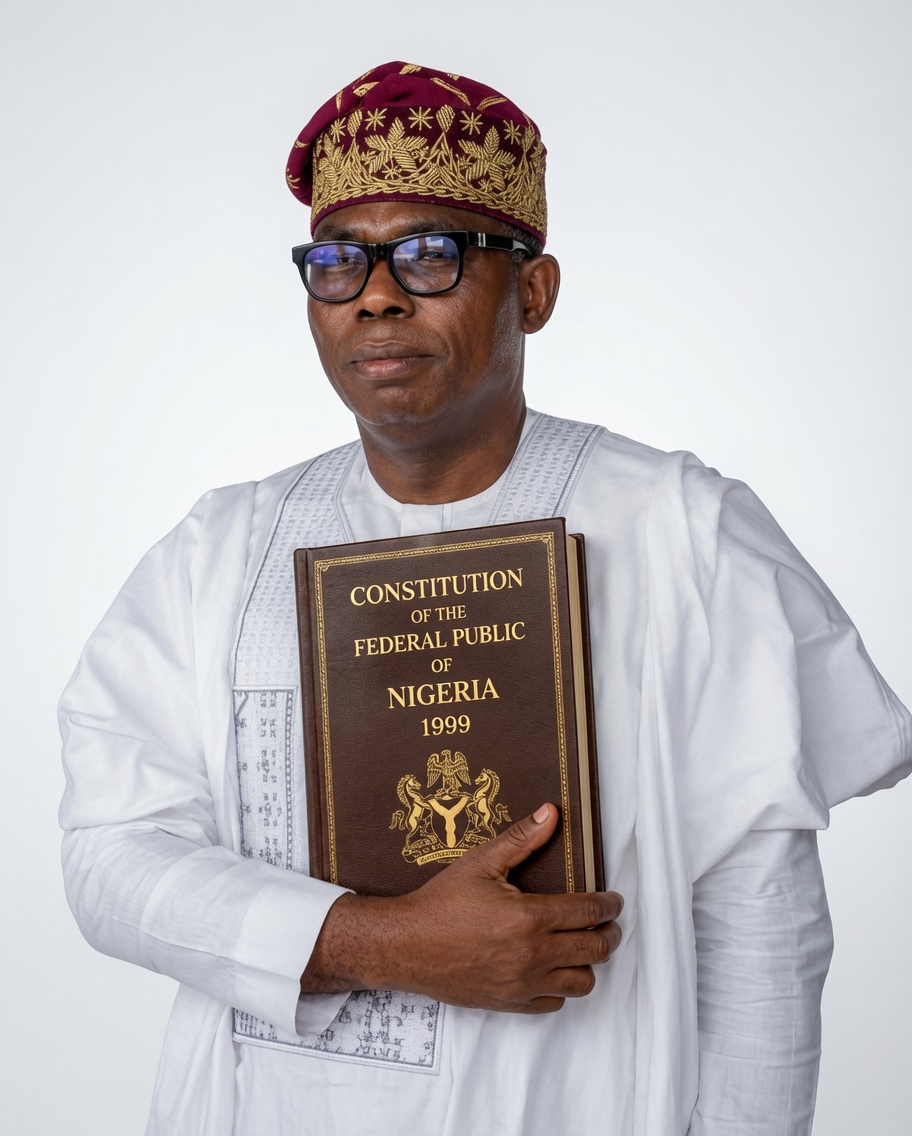
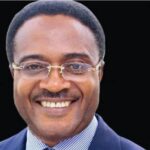
The presidential candidate of the Social Democratic Party (SDP), Prince Adewole Adebayo, has unveiled an expansive vision for Nigeria’s future, pledging to tackle poverty, unemployment, insecurity and infrastructure deficits through what he described as a people-centred social democratic agenda.
He said his ambition was to build a Nigeria driven by merit, accountable leadership, investment in human capital, rule-based markets, infrastructure development and full employment.
The SDP flagbearer, who is making his second attempt for the presidency after contesting in 2023, said Nigeria’s challenges were not caused by a lack of resources but by persistent leadership failures.
According to him, Africa’s most populous nation possesses abundant natural and human resources capable of transforming the lives of its citizens within a generation if properly harnessed.
“The environment makes you a liar when you say you are poor,” he said, arguing that poverty in Nigeria was the product of poor governance rather than scarcity.
At the heart of his 2027 agenda is a promise to enforce Chapter 2 of the Nigerian Constitution, which holds the government responsible for the welfare and security of citizens.
He criticised what he described as misplaced national priorities and vowed to redirect public resources towards education, healthcare, housing and security.
Adebayo said his administration would pursue full employment as a central economic objective, setting a target to create 30 million jobs through agriculture, manufacturing, digital innovation and enterprise development.
“Once you have full employment, the rest of your problems can be dealt with,” he stated.
Other News
He outlined a five-point governance strategy focused on establishing a clean and accountable government, increasing productivity, promoting transparent market rules, strengthening judicial independence and achieving full employment.
He also presented Nigeria’s estimated $1 trillion infrastructure deficit as a major investment opportunity rather than a burden, calling on local and international investors to participate in building roads, energy systems, digital infrastructure and industrial facilities.
According to him, Nigeria could become Africa’s leading investment destination by embracing the rule of law, enforcing transparent business regulations and ensuring the independence of state institutions.
His youth empowerment programme includes plans to enrol 20 million out-of-school children, establish entrepreneurship incubation centres, modernise agriculture, promote sports development and train five million young Nigerians in environmental sustainability and green technology.
He said education remained the foundation of national development, stressing that investments in healthcare, nutrition, early childhood learning and basic education were more important than elite institutions alone.
He also pledged to expand economic opportunities for women, citing an initiative aimed at creating one million women entrepreneurs across Africa.
He expressed confidence that Nigeria’s fortunes could be reversed within a generation through competent leadership, social investment and economic reforms anchored on justice and opportunity.
“We have clear systemic issues which a few persons in positions of authority are willing to fix. Nigerians deserve an alternative and effective solution,” he said.
As preparations for the 2027 presidential election gather momentum, Adebayo is positioning himself as a reform-minded candidate seeking to translate his experience in law, business and philanthropy into a governance model focused on inclusive growth, accountability and national renewal.