Follow Us on Google

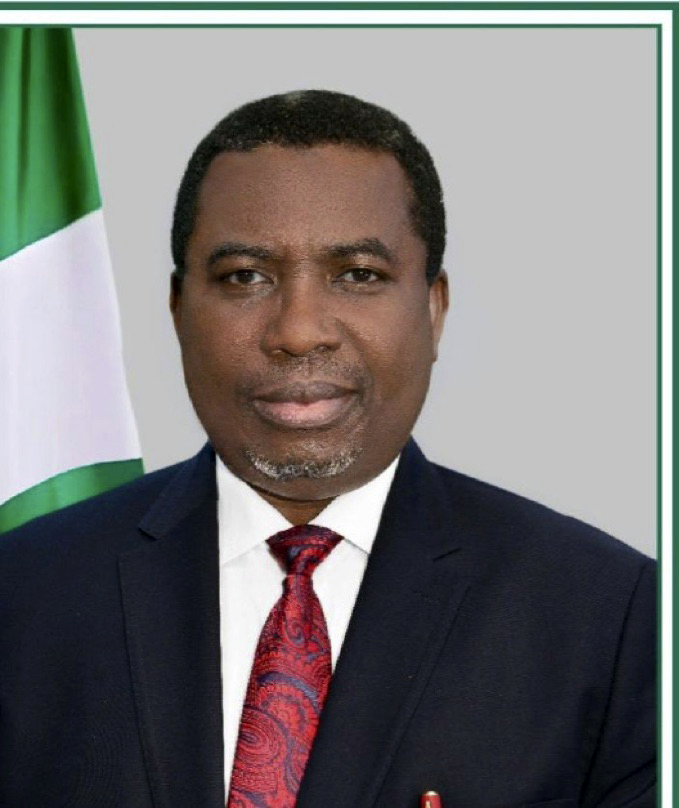
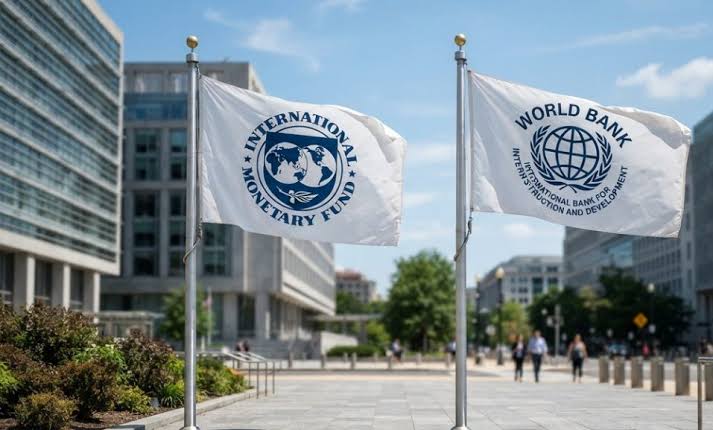
The World Bank has stated that poverty is still widespread in the country despite recent microeconomic gains of the government. It also stated that 40 per cent of Nigerian children are stunted. The World Bank Country Director for Nigeria, Mr. Matthew Verghis, stated this during the launch of the Nigeria Development Update (NDU) titled “Nigeria’s Tomorrow Must Start Today: The Case for Early Childhood Development” in Abuja recently.
According to the bank, poverty in Nigeria rose to 63 per cent in 2025, an increase from 56 per cent in 2023. This indicates that over 140 million Nigerians are multi-dimensionally poor, living below the poverty line. It is disconcerting that although inflation is easing in the country, the number of poor people continues to increase. The economic reforms of the government have not impacted on many Nigerians.
Moreover, the purchasing power of the naira is weakened daily. The implication is that the living conditions of many households, especially in the rural areas, continue to worsen as more Nigerians wallow in abject poverty. The bank also noted that Nigeria’s early childhood outcomes remain weak and unequal by regional and global standards. “On average, 110 out of 1000 children die before age five. About 40 per cent of Nigerian children are stunted, and an estimated 52 per cent—the majority of the kids—are not on track before entering school, after which it becomes harder to catch up,” it stated.
We loathe the rising poverty in the country despite the gains from the removal of oil subsidy by the present administration. We also decry the rising cases of stunting in Nigerian children. The deepening poverty among Nigerians is unacceptable. There is a correlation between rising poverty and increasing cases of stunting in Nigerian children. Both challenges must be urgently addressed by the government. As a major oil-producing country and the giant of Africa, Nigerians should have no pact with poverty. We say this because Nigeria has enough arable land for large-scale farming and mechanised agriculture. It has body of waters for fish farming as well. Nigeria has the capacity to grow enough food for her citizens and even for export. It is sad that yearly, Nigeria is ranked as one of the “hunger hotspots” in the world.
Other News
Although the government has initiated some poverty alleviation programmes, some critics have described these interventions as cosmetic and ineffective. The distribution of rice across the country by the government has not helped to alleviate poverty. Even the conditional cash transfer programme has been haphazard and ineffectively implemented. The same can be said of the other poverty reduction interventions. When President Bola Tinubu removed the oil subsidy, he promised that funds saved from the subsidy removal would be ploughed back into the economy and guarantee improved living condition for the people. Not much has been done in this direction.
The recent report by the World Bank shows that the living condition of the people has not improved. Instead it has worsened. The government must face this reality and come to terms with the prevailing economic circumstances in the country. To continue to indulge in political rhetoric while poverty increases in the country portends danger for the future of the country. A few years back, the Nigerian Bureau of Statistics (NBS) in its report noted that 133 million Nigerians were multi-dimensionally poor. Unfortunately, the number has increased to 140 million people instead of decreasing. This is in spite of the government’s economic reforms in the last three years. The increasing rate of poverty in Nigeria can easily be attributed to corruption, mismanagement of economic resources and population boom. Also, there are increasing cases of wrong priorities by the government where huge sums of monies are committed to less important projects that do not directly impact on the lives of the people. The government can adjust its economic policies to reduce the growing poverty in the country.
If the economic policies of the government are not reducing poverty, it is time to rejig them. Although President Bola Tinubu has continued to assure Nigerians that his economic policies will yield results, many Nigerians believe that the increasing rate of poverty in the land testifies to the unworkability of the current economic policies. The government must be committed to lifting people out of poverty by ensuring that its policies have positive impact on the people. The report that 40 per cent of Nigerian children are stunted is a cause for concern. Therefore, the government should urgently address stunting in children because it can cause impaired brain development, lower IQ and poor school performance. Stunting can also cause delayed physical growth and weakened immunity.
The responsibility to alleviate poverty should not be left to the federal government alone. All tiers of government should work together to stem rising poverty in the country. State governments have a huge role to play in poverty alleviation. It is not enough for them to depend on the federal government for funds to pay salaries. We urge the federal and state governments to create more jobs and embark on programmes that would lift millions of Nigerians out of poverty.