Follow Us on Google
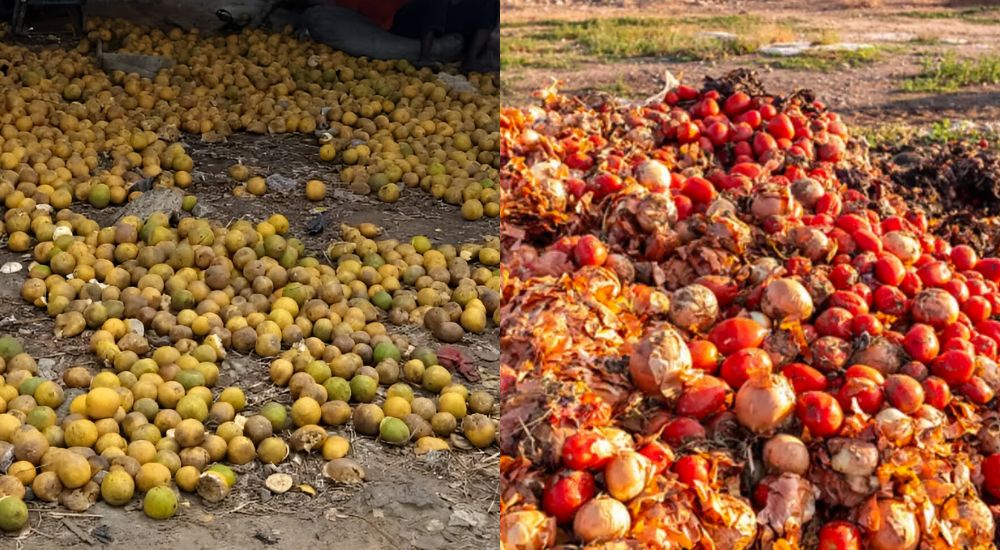
The recent report by the Organization for Technology Advancement of Cold Chain in West Africa (OTACCWA) that Nigeria recorded between N3.5trillion and N5trillion in post-harvest losses in 2025 should worry the government, farmers, agricultural experts and those in charge of the nation’s food security. According to the President of OTACCWA, Alexander Isong, Nigeria lost an estimated 30 to 40 million metric tonnes of food to post-harvest inefficiencies across major value chains. He added that tomatoes, vegetables, fruits, dairy, meat, fish and root crops were most affected.
Isong, who is also the Country Director, Nigeria, for the World Agricultural Forum, observed that “without certified cold chain systems, Nigeria would continue to struggle with food inflation, reduced farmer income and limited export competitiveness.” He also added that post-harvest loss is not just an agricultural problem; it is an infrastructure and economic challenge. Isong emphasised the need for urgent national investment in refrigerated transport, aggregation centres and modular cold storage facilities to curb post-harvest losses.
No doubt, Nigeria’s post-harvest losses threaten the nation’s food security, the Gross Domestic Product (GDP) and the growth of non-oil sector. They may likely engender job losses in the agric sector.
The Food and Agriculture organization (FAO) says that 30 per cent of food produced for human consumption is lost or wasted along the supply chain every year. These losses are annually valued at nearly $1trillion. This is a whopping 1.3billion metric tons of food that doesn’t ever reach the consumer. Some reports have estimated that this lost or wasted food could be used to feed 1.6billion people every year. These losses are highest in developing countries, with 30-50 per cent of produce lost due to poor infrastructure, inadequate cold storage and inefficient transport.
Instructively, Nigeria’s food security goal aligns with the 2030 agenda for Sustainable Development, which identifies the reduction of these losses as a key driver for achieving sustainable food systems that ensure everyone is adequately fed while protecting the environment. For instance, target 12.3 of Sustainable Development Goals (SDGs) intends to reduce food losses along production and supply chains, including post-harvest losses by 2030. To achieve food insecurity by 2030, the federal and state governments must work in concert to reduce post-harvest losses. Tackling the challenge posed by post-harvest losses will improve food security, reduce hunger and enhance the income of farmers and small rural businesses.
Other News
Recently, the National Tomato Growers, Processors and Marketers Association of Nigeria (NATPAN) called for government’s intervention in providing equipment and facilities that can help to minimize post-harvest losses. Nigerian tomato farmers are currently grappling with the challenges of limited access to loans for equipment, poor transportation infrastructure and high perishable nature of the produce. This call by NATPAN has underscored the urgent need for the government to begin to address post-harvest losses.
Good enough, the federal government is implementing Postharvest Systems Transformation Programme (NiPHast) to reduce annual post-harvest losses estimated at $10billion or N3.5 trillion. Some of its key measures include the deployment of smallholder storage technologies and building community-level warehouses. It also entails establishing cold rooms and revitalising national silos through public-private partnership. It also involves the utilization of the National Agricultural Development Fund (NADF) to enhance rural infrastructure, value chains and agribusiness. Access to finance will enable small-scale farmers and cooperatives invest in post-harvest facilities and equipment such as a packinghouse or a thresher, which will help them reduce food losses.
We believe that improving storage for grains, upgrading grain drying equipment, cold storage for fresh produce, strengthening transport and building commercial storage system will go a long way in reducing post-harvest losses. Therefore, we call on state governors to pay urgent attention to reducing post-harvest losses of farmers in their states. The chairmen of local governments can play a role in checking post-harvest losses. They can help rural farmers with improved storage, cold chain infrastructure, refrigerated vehicles and cold storage to preserve perishable goods like fruits, vegetables and fish.
Since agriculture is the largest employer of labour in Nigeria, providing livelihoods for over 36 per cent of the workforce, the government should protect the sector by reducing post-harvest losses. Besides, about 70 per cent of Nigerians engage in subsistence agriculture. At the same time, the sector contributes about 24-25 per cent of the nation’s GDP.