Follow Us on Google
• Efik sons, daughters, enkindled FCT with Usen festival
From Charity Nwakaudu, Abuja
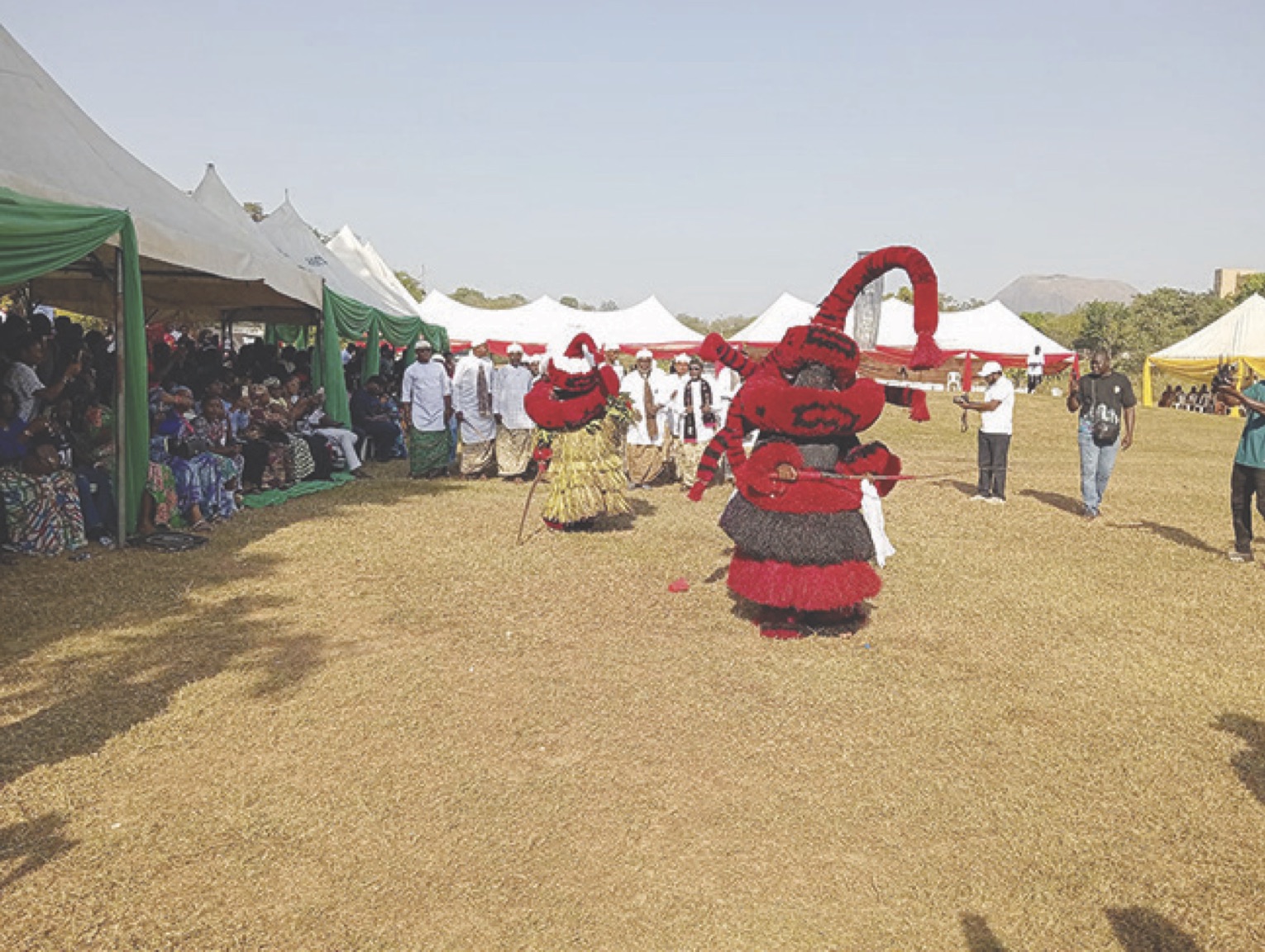
Abuja’s Harrow Park transformed into a dazzling theatre of culture, colour and community spirit as Efik sons and daughters gathered from to celebrate the Usen Efik Festival, affectionately known as Efik Day. The event exploded with the electric vibrancy of a mini Calabar Carnival, a joyous reunion steeped in history, tradition and a collective pride that many described as more powerful than religion.
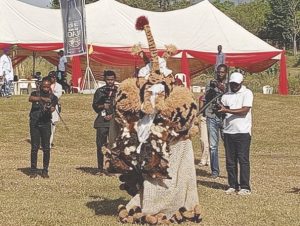
For one unforgettable day last Saturday in November 2025, Abuja became an enclave of Efik heritage, drawing in hundreds of people from Nigeria, UK, South Africa and Canada. As the sun set behind the FCT ’s skyline, Harrow Park was alive with traditional Efik songs, rhythmic drumbeats, colourful masquerades and the enticing aroma of authentic local cuisine and indigenous liquor. It was a sensory masterpiece of African culture soaked in the legacies of the Efik people.
Walking into the festival was like stepping into a living storybook. Majestic masked figures paraded with chants and dances that evoked centuries of history, while Ekpe (Ekoi) dancers held the crowd spellbound as they passed along tales through body movement and song. The festival’s energy was contagious, with attendees cheering, dancing, and basking in the warmth of shared heritage.
Usen Efik Festival is more than just an event. It’s a cultural statement, a gathering of roots and identity sustained far from the ancestral lands of Calabar. This year’s festivities were especially meaningful as they heralded the much-anticipated Calabar festivities, Nigeria’s famed month-long December carnival, giving Abuja residents a taste of the magic ahead.
Minister of State for Industry and a proud Efik son, John Enoh, captured the festival’s spirit perfectly: “The gathering reminded me of the depth and dignity of the Efik story, a heritage shaped by centuries of history and preserved with remarkable devotion.
“Being part of the celebration felt like an honour. It was a tribute to an enduring identity and to the people who continue to uphold its customs at home and in the diaspora. The performances brought our heritage to life and made the day truly memorable.”
The man behind the vision, convener John Offiong, has nurtured Use Efik — as the festival is also known — into one of the largest Efik cultural festivals outside Calabar. Since its inception in 2016, the event has steadily grown, drawing Efik people from all over Nigeria and abroad to Abuja each year.
“Usen Efik is the day we, the Efik in the FCT, come together to celebrate our rich culture and show the world what our forefathers left for us,” Offiong said with pride. “Our culture is unique, interesting and worth preserving.”
The festival serves as a vital platform not only for celebration but also for cultural preservation, uniting the Efik community that scattered beyond Cross River State over decades. It is a day of thanksgiving, cultural expression, and community bonding reaffirmed through music, dance, food, and storytelling.
It was particularly spectacular, featuring over 25 Ekpe masquerades and an impressive lineup of seven performance groups flown in from Calabar. The celebrations are slated to climax with a signature “Calabar Night,” a euphoric gathering with live bands performing the traditional Efik rhythms that have inspired generations.
Still, Offiong raised a candid concern. Despite the festival’s growing popularity, some Efik residents in Abuja remain unaware of the event. “By now, every Efik person in Abuja should know Use Efik holds every last Saturday of November,” he said, inviting wider participation in the coming years. He also expressed heartfelt gratitude to Abuja’s Bwari community for their generous hospitality and peaceful coexistence with the Efik people.
Apostle Oyok Nsa, a speaker at the event, highlighted the festival’s role in reconnecting younger generations with their cultural roots: “Our children cannot even cook anymore. Ask a young girl to list ingredients for Afang soup, one of our most important dishes, many will struggle.”
His observation underscored the urgent need for cultural revival and education, something the festival actively fosters. “The festival creates an important platform for cultural revival, helping children and families relearn forgotten traditions, foods and values,” Apostle Nsa emphasized. He also drew attention to a rising trend of Efik sons and daughters marrying outside the community without a deep understanding of their heritage, risking disconnection from their roots when visiting home.
“We must know ourselves, build relationships and strengthen our lineage—even outside our homeland,” he insisted, urging families to prioritize cultural knowledge and unity.
Apostle Imoh, another attendee, remarked on the global Efik spirit illuminated by the festival’s international reach, with participants traveling from far-flung countries to join the celebration. The palpable excitement began long before the official start, he said, as the sense of unity resonated across families and friends reunited in the heart of Nigeria’s capital.
To those who missed the festival, Apostle Imoh had a direct message: “They are losing it. I pray next year they plan early and become part of what we are doing.” His words reflected a genuine desire to see the Efik cultural flame burn brighter and include everyone in this joyous revival.
Meeting the participants, one couldn’t help but share in their nostalgic joy. Charity Umoh expressed her emotional connection: “I cannot remember when last I heard people speak my language like I did today. It was like I travelled home.” To her, the event was a powerful homecoming—a rare chance to hear her mother tongue spoken fluently and with pride.
Clement Ette, another enthusiastic participant, described the festival as reminiscent of his village days. “I joined almost all the dancing troupes to usher the masquerades to the stage. It was real fun, and I will always make out time every last Saturday of November as long as I am in Abuja to celebrate with my people.”
Even non-indigenes were won over by the festival’s vibrant atmosphere. Helen Abah, who joined the colorful crowd, said she thoroughly enjoyed the Efik cultural showcase and vowed not to miss future editions.