Follow Us on Google
By Dimeji Alara
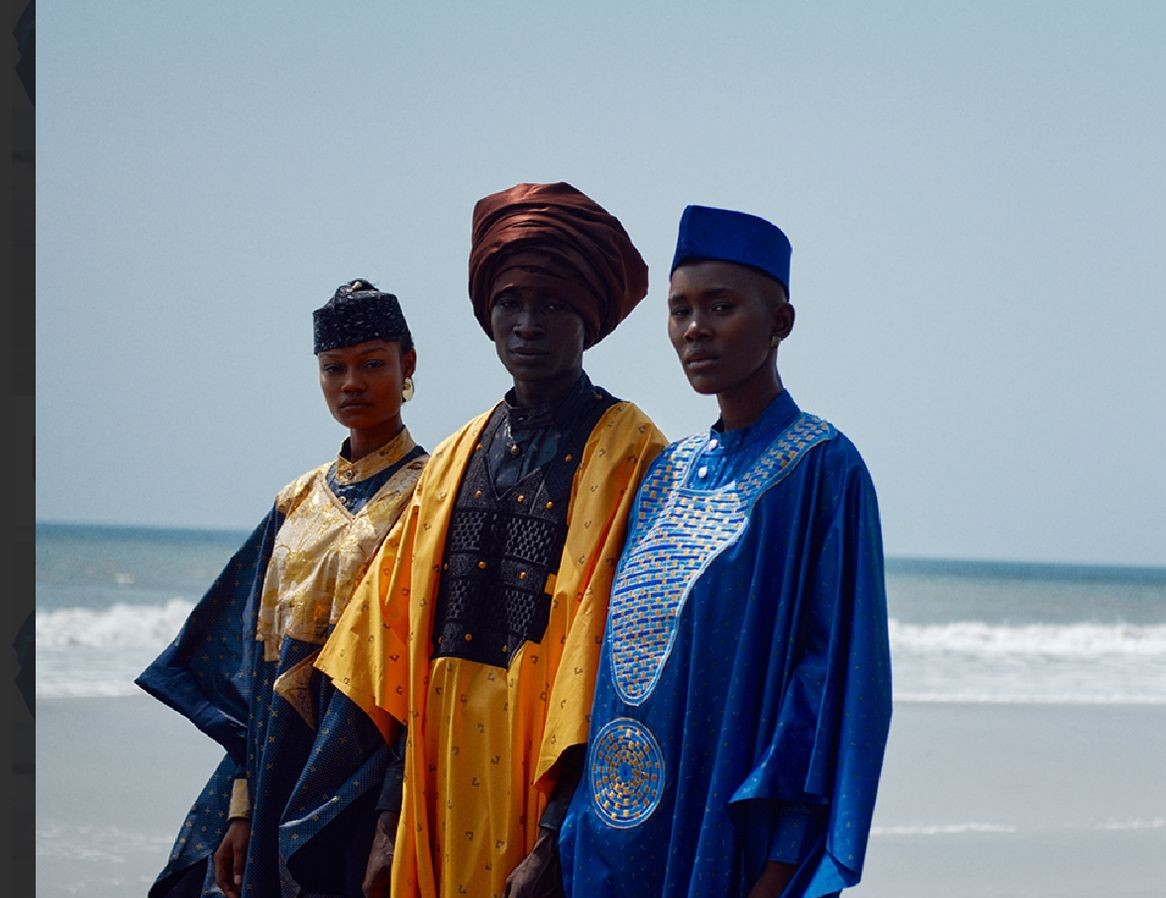
There’s a stillness in these garments that speaks louder than any trend. OOMO AJADI’s Ariwo Ilẹ̀ Ọba isn’t built for fashion’s usual pageantry — it’s built for legacy.
From the moment a model steps forward in floor-sweeping robes and indigo-dyed layers, you understand: this is not borrowed nostalgia. It’s a reclamation of Yoruba dignity.
The silhouette choices are deliberate — neither shapeless nor trend-chasing. They move like monarchs. And the details? Weighty beads, regal postures, earthy palettes. Not decorative, but declarative.
In a world where traditional attire is too often romanticised or watered down for Western approval, Kareem resists. He arms it. This isn’t soft pride. It’s sharp presence.
You get the sense that each garment was created not just for wear, but for ceremony. These aren’t outfits. They’re rites. And they remind us that African fashion doesn’t need a runway to be relevant. It’s already history, already power — stitched in every thread of our identity.