Follow Us on Google

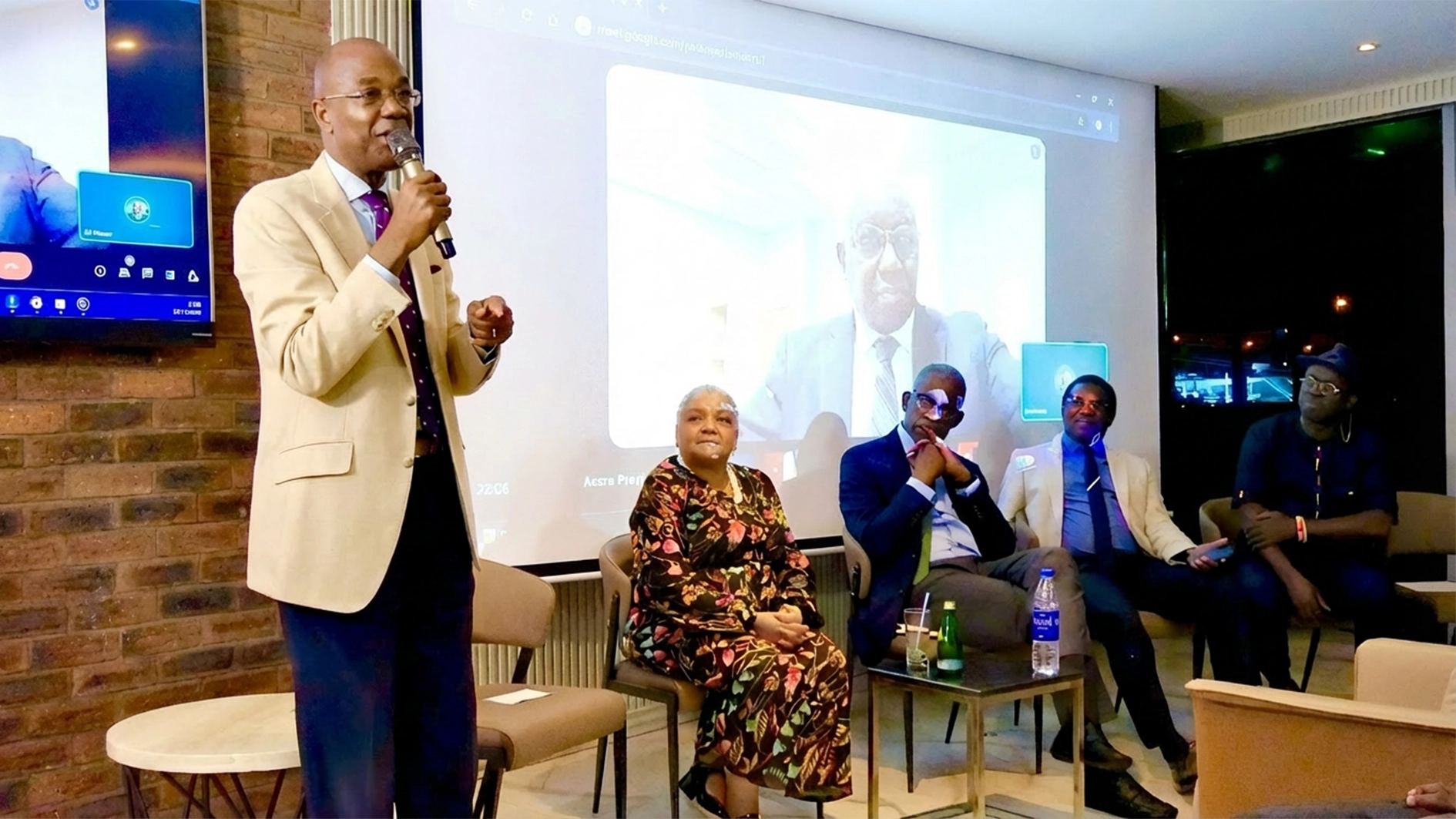
Chuck Nduka-Eze, Chairman of the Asaba Massacre Memorial Trust, has recounted how his mother was shot dead during the 1967 Asaba Massacre, saying she was the only woman killed on October 7.
Nduka-Eze disclosed this while speaking on the Asaba Massacre on Channels Television’s Politics Today, recalling how his mother challenged soldiers over their treatment of civilians in Asaba, Delta State, during the Nigerian Civil War.
He said his mother was 27 years old when she witnessed the brutality against residents and tried to question the soldiers’ actions.
According to him, she argued that the troops should be protecting the people of Asaba, who were Nigerians and had not posed a threat to them.
“She tried to demonstrate with the soldiers that this is not proper, they ought to be protecting Asaba people, who are actually Nigerians, and from whom they had no problem,” he said.
Nduka-Eze said his mother was shot after the exchange with the soldiers.
“And from this conversation, I’m afraid she was shot. That was how we lost her,” he said.
He added, “She was the only woman killed on that 7th of October.”
Nduka-Eze also recounted how his family narrowly avoided the violence after his father arranged for some family members to leave Asaba before the killings began.
He said he was about three or four years old when he returned to Nigeria with his parents from the United Kingdom during the early stages of the crisis.
Other News
According to him, his father sent a car to move some family members to safety as the Second Division of the Nigerian Army advanced towards Biafra and stopped in Asaba.
However, his mother and some relatives remained in the town after the Niger Bridge was broken, making it impossible for them to cross over.
Nduka-Eze clarified that his account was not based on witnessing the massacre himself but on decades of engagement with the issue, including research and discussions with survivors and eyewitnesses.
He said the Second Division arrived in Asaba in early October 1967, after which residents initially believed they had little reason to fear the Nigerian troops.
He explained that the situation deteriorated when civilians began experiencing attacks and brutal treatment, prompting community leaders to meet the division’s leadership and pledge their loyalty to Nigeria.
Nduka-Eze said residents were later encouraged to gather at Ogusewe Square, dressed in white, to demonstrate their allegiance.
He said machine guns had reportedly been positioned at one end of the square, partly concealed, before men and women were separated and shooting began.
“So, a lot of people were killed in that spot,” he said.
The chairman said incomplete documentation after the war had made it difficult to establish an exact death toll. However, figures compiled from available accounts suggested that several hundred to about 1,000 people, mainly men, were killed that day.
The Asaba Massacre took place during the Nigerian Civil War in October 1967 and remains one of the most painful episodes in the history of the community.