Follow Us on Google

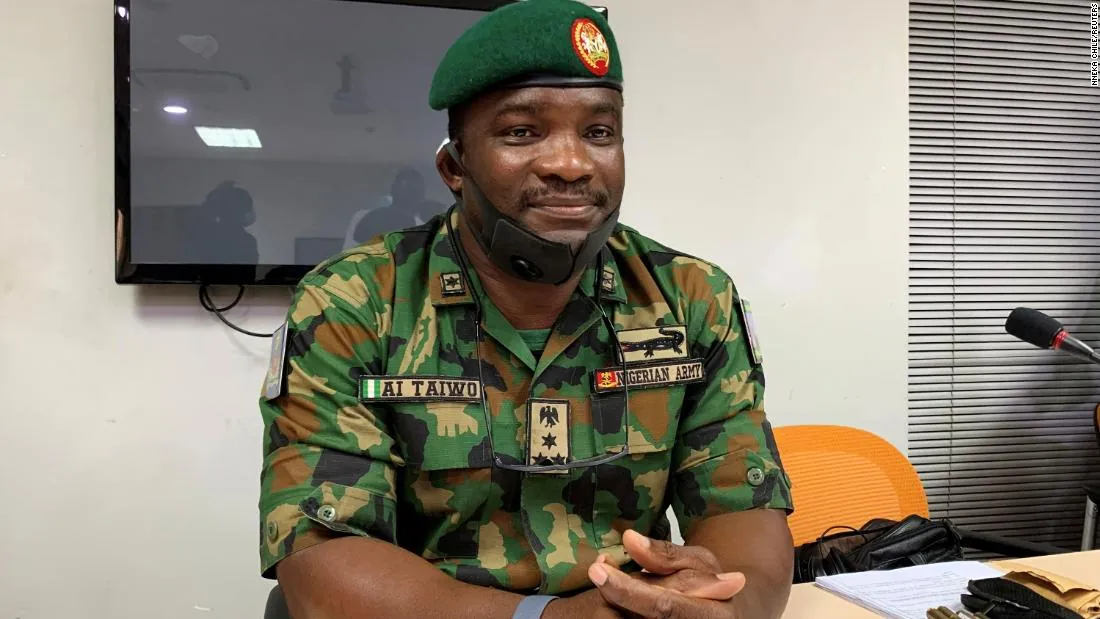
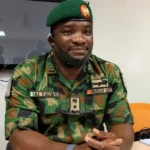
Retired Major General Ahmed Taiwo has explained why he apologised to the people of Asaba on behalf of his family over the role his late father, Colonel Ibrahim Taiwo, may have played in the Asaba Massacre during the Nigerian Civil War.
Taiwo said the decision was driven by his belief that acknowledging the incident, expressing regret and seeking forgiveness were necessary steps towards addressing the harm suffered by the community.
Speaking on Channels Television’s Politics Today, he said he approached the Asaba of Asaba to offer an apology for any acts of commission or omission attributable to his father.
“Yes, it was the involvement of my father in this act that took me to the Asaba of Asaba to express my deepest regret on behalf of the family and offer a sincere apology for whatever acts of commission or omission my father may have played or his role in that incident,” he said.
The retired general described war as a terrible experience, noting that people could act in ways they would not ordinarily consider under normal circumstances.
“Like we say, war is a very terrible thing. No good actually comes from war, despite the circumstances. And people might act in ways they ordinarily shouldn’t act,” he said.
He explained that his family considered acknowledging the incident and seeking forgiveness the appropriate response, adding that the apology was accepted by the Asaba of Asaba on behalf of the community.
“The family felt one of the best ways to go about it is to acknowledge what happened, seek forgiveness, and that we sought and were given by the Asaba of Asaba on behalf of the Asaba people,” Taiwo said.
He expressed hope that the gesture would help ease tensions, although he acknowledged that an apology could not completely reverse the harm caused.
“I believe it will go a long way to righting the situation, or rather ameliorating the situation. It won’t right it completely, but it will help soothe some nerves,” he added.
Asked what prompted him to come forward, Taiwo said the decision was not influenced by anyone and that he had known about the incident for approximately 31 years.
“I was not prompted. I knew of this issue about 31 years ago,” he said.
Taiwo, who served in the Nigerian Army for 40 years, said he learnt about the matter while serving in Enugu and subsequently conducted extensive research into it.
He said what particularly troubled him was the persistent denial of the incident and the tendency to underestimate the number of people killed.
“And what always struck me was denial. Everybody, people seemed to deny it all the time. And if they were not denying, they were underestimating the numbers. And nobody was acknowledging or trying to reach out to the other party,” he said.
According to him, the issue remained on his mind from the time he learnt about it and confirmed the accounts through his research.
He said he eventually discussed the matter with the patriarch of his family, maintaining that the decision to apologise was based on his personal conviction.
“Nobody prompted me when I went and discussed with the patriarch of our family. Nobody prompted,” he said.
Taiwo added that he had long believed the family should take the opportunity to apologise if one became available.
“It has always been there that if given the opportunity, we should do this. And it is the right thing to do,” he said.
The Asaba Massacre occurred in October 1967 during the Nigerian Civil War, when federal troops killed civilians in Asaba, in present-day Delta State. The incident remains a painful part of the community’s history.