Follow Us on Google
By Damiete Braide
The just concluded third edition of the +234 Art Fair has, again, reinforced its reputation as a vital platform for discovering and promoting emerging Nigerian artists.
With the theme “Inclusivity: Widening the Frame,” the 2026 fair highlighted a deliberate effort to broaden representation in the Nigerian art ecosystem and provide visibility for voices that are often overlooked.
An initiative of Ecobank Nigeria and Soto Gallery, with the African Finance Corporation as a major partner, the fair continues to champion young, ungalleried, and emerging artists across the country. Held at the Ecobank Headquarters in Victoria Island, the exhibition brought together an impressive collection of creativity, featuring more than 1,100 artworks by over 400 artists.
The name “+234” is a deliberate reference to Nigeria’s international dialling code, symbolising the fair’s mission to celebrate Nigerian creativity and amplify the originality and diversity of local artistic expression. From painting and sculpture to photography and digital art, the fair presented a vibrant cross-section of contemporary Nigerian art.
At the heart of the initiative is art advocate and founder of the fair, Tola Akerele, who also serves as the General Manager and Chief Executive Officer of the National Theatre Lagos. Speaking during the exhibition, Akerele explained that the fair was created specifically to spotlight Nigerian artists who often struggle to find platforms to showcase their work.
“This exhibition is the third edition of the +234 Art Fair and it is dedicated to emerging artists,” she said. “The +234 code represents Nigeria, and the goal is to promote Nigerian artists. We have an abundance of talented artists in this country, but many of them do not have the platforms to show their work. This fair helps bring them into the spotlight and allows people to see and engage with their creativity.”
Akerele revealed that the organisers went beyond the traditional approach to artist selection this year. In a bid to ensure broader representation, the team embarked on an extensive outreach tour across 17 states, documenting their journey while identifying talented artists who might otherwise remain unseen.
The response was overwhelming. More than 1,500 submissions were received, from which approximately 300 artists were selected through a rigorous curatorial process. The works were categorised into four major expressions: digital art, two-dimensional art, sculpture, and photography.
According to Akerele, the fair also expanded its digital art section, reflecting the evolving nature of artistic practice in an increasingly technology-driven world.
“We have to embrace digital art because the world is becoming more digital,” she said. “Art itself is also a form of therapy. In the children’s gallery, you can see works created for children with special needs. Art allows them to express themselves and communicate in ways words cannot.”
Curator Eyimofe Ideh explained that the decision to focus on inclusivity stemmed from a realisation that most participants previously came from regions close to Lagos.
“We wanted the fair to be more open and accessible,” Ideh said. “That is why we travelled to 17 states to ensure artists from different parts of the country were aware of the opportunity. The result was incredible. This year we had over 400 participating artists and more than 2,000 visitors attended the fair.”
Other News
Ideh noted that many emerging artists face significant logistical challenges when trying to participate in exhibitions, particularly those located far from major art hubs.
“For example, an artist in Kaduna who wants to send work to Lagos must deal with transportation costs and risks,” he said. “By visiting these regions and securing sponsorship support, we made the process easier and encouraged more artists to participate.”
He added that selecting artworks involves more than simply personal taste. Presentation, craftsmanship, and the ability of a work to communicate meaning are key factors considered during the curation process.
Project Manager Johanna Oyefeso described coordinating the large-scale event as both challenging and rewarding. Working with multiple teams over a six-month period, she said the project required careful planning, strong collaboration, and clear timelines.
“This was my first time managing something of this scale,” she said. “One of the most exciting parts was seeing how different teams and departments came together to deliver the exhibition. We were also very intentional about branding and outreach, especially our nationwide tour.”
Among the participating artists was multimedia sculptor Ashele Israel, whose works Odeyshi I and Odeyshi II reflect his personal journey through criticism and perseverance.
“These sculptures represent my experience as an artist,” he explained. “Despite the challenges and setbacks I have faced, the works symbolise resilience and strength. I also dedicate them to the Nigerian military, whose courage is driven by their love for the people they protect.”
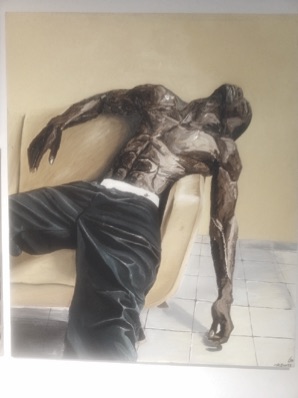
Another participant, Alexander Ebadan, exhibited a piece titled Aftermath, which explores the universal feeling of relaxation after a stressful day.
“I want viewers to connect with that moment when you finally sit down and unwind after a long day,” he said. “For me, the exhibition is also about making connections and meeting other creatives.”
Industry leaders also emphasised the importance of building sustainable careers in the arts. Ahmed Bashir Sodangi noted that while exhibitions and viral moments can bring recognition, long-term success requires strong institutional structures, documentation, and market access.
Similarly, Omoboye Odu highlighted the economic potential of the creative sector and the need to provide platforms that allow artists to thrive financially.
With its growing reach and inclusive vision, the +234 Art Fair is gradually reshaping Nigeria’s contemporary art landscape. By connecting emerging artists with collectors, institutions, and wider audiences, the fair is not only celebrating creativity but also building pathways for sustainable artistic careers.
As the exhibition continues to expand its influence, one message remains clear: Nigerian art is rich, diverse, and ready to claim its place on the global stage.