Follow Us on Google
By Adedayo Olalekan
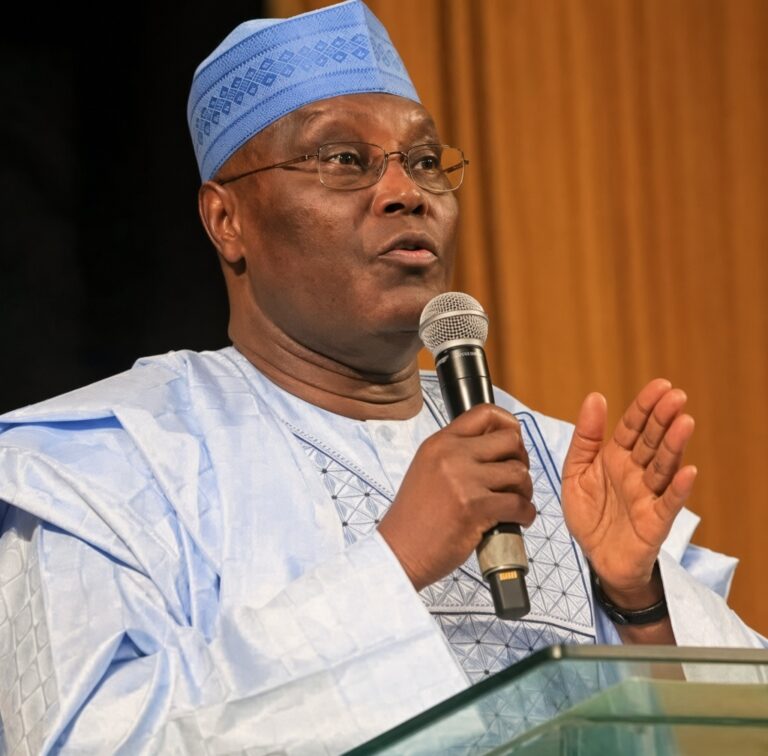
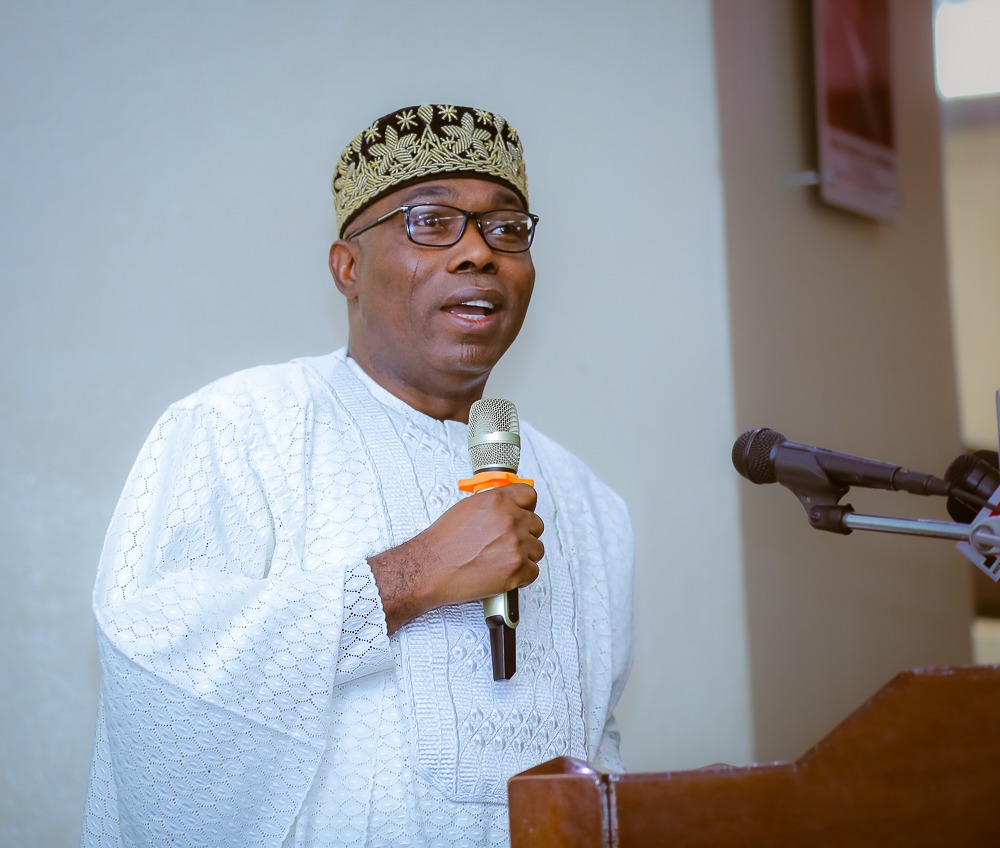
As Prince Adewole Ebenezer Adebayo criss-crosses the country after emerging as the presidential candidate of the Social Democratic Party (PDP) ahead of the 2027 elections and meeting Nigerians from different spheres of life, he has been preaching the message of hope.
Adebayo said that successive governments in Nigeria have failed the people but argued that hope must not be lost.
According to him, leadership must begin with restoring confidence among citizens who increasingly feel disconnected from institutions and uncertain about the future.
“We believed we had to go out and restore hope to the people — to ensure that Nigerians did not lose faith in their country at a time many felt abandoned and unprotected, almost like stateless people in their own land”, he said while reflecting on one of his engagements with Nigerians.
“People were beginning to question whether anyone still cared, whether government still remembered them.
“But our message was simple: Nigeria remains a project worth believing in.
“It still holds great promise and remains one of the greatest places anyone can call home.
“The failures of government must never be mistaken for the failure of the nation itself.”
In a political culture often driven by visibility, slogans and competition for attention, where acts of generosity are frequently announced before they are felt and public life has increasingly become a theatre where giving is documented, amplified and converted into political capital, the SDP presidential candidate has proved that there are still figures whose approach to service follows a different tradition—one that values impact over applause and people over publicity.
For many who know him beyond the public stage, his philanthropy is neither an occasional gesture nor a carefully packaged image project.
Rather, it appears to be an enduring philosophy rooted in responsibility, dignity and the belief that society advances only when ordinary people are given genuine opportunities to rise.
That underlying belief has also appeared in his public reflections on politics and nationhood.
His interventions—according to records and testimonies from beneficiaries—appear to reflect more than charity.
They suggest an attempt to preserve confidence where institutions have struggled, extending across education, youth development, enterprise support and humanitarian assistance.
But what distinguishes them is not merely their scale—it is their method.
Adebayo’s giving is often quiet.
Beneficiaries are reportedly assisted without fanfare. Students receive support without being turned into campaign materials. Families are helped without public ceremonies. Young people are encouraged without being reminded endlessly of who helped them.
That deliberate silence has become one of the defining features of his humanitarian identity.
Investing in human capital
Education appears to occupy a central place in Adebayo’s philanthropic priorities.
Across universities in Nigeria, hundreds of students have reportedly received varying forms of assistance ranging from tuition support and accommodation to registration fees, books and other academic needs.
The institutions listed so far among beneficiaries include Obafemi Awolowo University, University of Ibadan, University of Lagos, Lagos State University, Federal University of Technology Akure, Ekiti State University, Federal University Oye-Ekiti, Tai Solarin University of Education, Ladoke Akintola University of Technology, Adeyemi University of Education, Adekunle Ajasin University, Adamawa State University, Abia State University, Delta State University and Ambrose Alli University.
The figures collectively suggest support reaching thousands of students in higher institutions.
Observers of educational philanthropy note that such interventions carry implications beyond individual beneficiaries. One student retained in school may translate into a family lifted, a community strengthened and future leadership preserved.
For Adebayo, education appears to represent more than charity; it reflects a belief that talent should not be defeated by poverty.
Other News
Compassion Beyond the classroom
The humanitarian footprint attributed to Adebayo does not end with education.
His support for small businesses, traders, artisans and young entrepreneurs reportedly extends to empowerment initiatives reaching more than one thousand people through different forms of direct assistance.
Unlike conventional empowerment programmes built around publicity events, many of these interventions are described as practical and personal. For a struggling trader, it may mean returning to business. For a student, remaining in school. For a family under pressure, avoiding collapse. For a young person searching for direction, beginning again.
The underlying philosophy appears simple: poverty is not merely a shortage of income; it is often a shortage of options. Creating options becomes a form of development.
That outlook also mirrors another of Adebayo’s stated convictions: “We also want Nigerians to know that politics does not have to be dirty.
“A politician can still be decent, principled and committed to the common good. “Public service can still reflect family values, faith and humanity.”
Leadership measured in human terms
Those familiar with Adebayo’s background often draw comparisons—not of circumstance, but of disposition—with the late Moshood Kashimawo Olawale Abiola, remembered widely for philanthropy and public generosity. The comparison rests less on biography and more on outlook.
Abiola became known for extending his resources to ordinary Nigerians. Admirers of Adebayo argue that he demonstrates a similar instinct for lifting others quietly and consistently. Accounts from associates portray a man whose private life mirrors his public philosophy. Stories persist of students receiving educational opportunities they never expected; of support for professional training; of assistance to businesses; and of efforts aimed at creating pathways for younger Nigerians.
Supporters also point to employment generation across sectors including media, agriculture, legal services, real estate and related ventures.
Yet perhaps what stands out most in these descriptions is not scale but temperament.
The image repeatedly painted is of accessibility over distance, simplicity over ceremony and presence over performance.
Politics of quiet service
There is a larger lesson in this style of philanthropy. Leadership is often discussed in terms of office, policy and power. But leadership can also be understood as the willingness to carry responsibility before authority arrives.
A person who understands the burden of school fees may understand educational policy differently.
One who has listened to struggling traders may think differently about economic reform.
One who has quietly supported families may approach governance with greater sensitivity.
This does not make philanthropy a substitute for public policy. But it may reveal something about instinct, values and priorities.
Adebayo himself frames that challenge in broader political terms:
“Our hope is to transform the politics that produced our present challenges. Changing one president alone will not solve Nigeria’s problems; changing the political culture will. And to change the system, we must first build better political parties and raise the expectations of the people. When citizens raise their standards, politics will rise with them.”
Supporters argue that his record reflects a broader philosophy of people-centred development: strengthen education, empower enterprise, protect dignity and expand opportunity.
Whether viewed as humanitarian engagement, social investment or simply compassion in action, the pattern that emerges is consistent.
Not every act of leadership announces itself. Some simply change lives and move on.
And perhaps that is the point.