Follow Us on Google
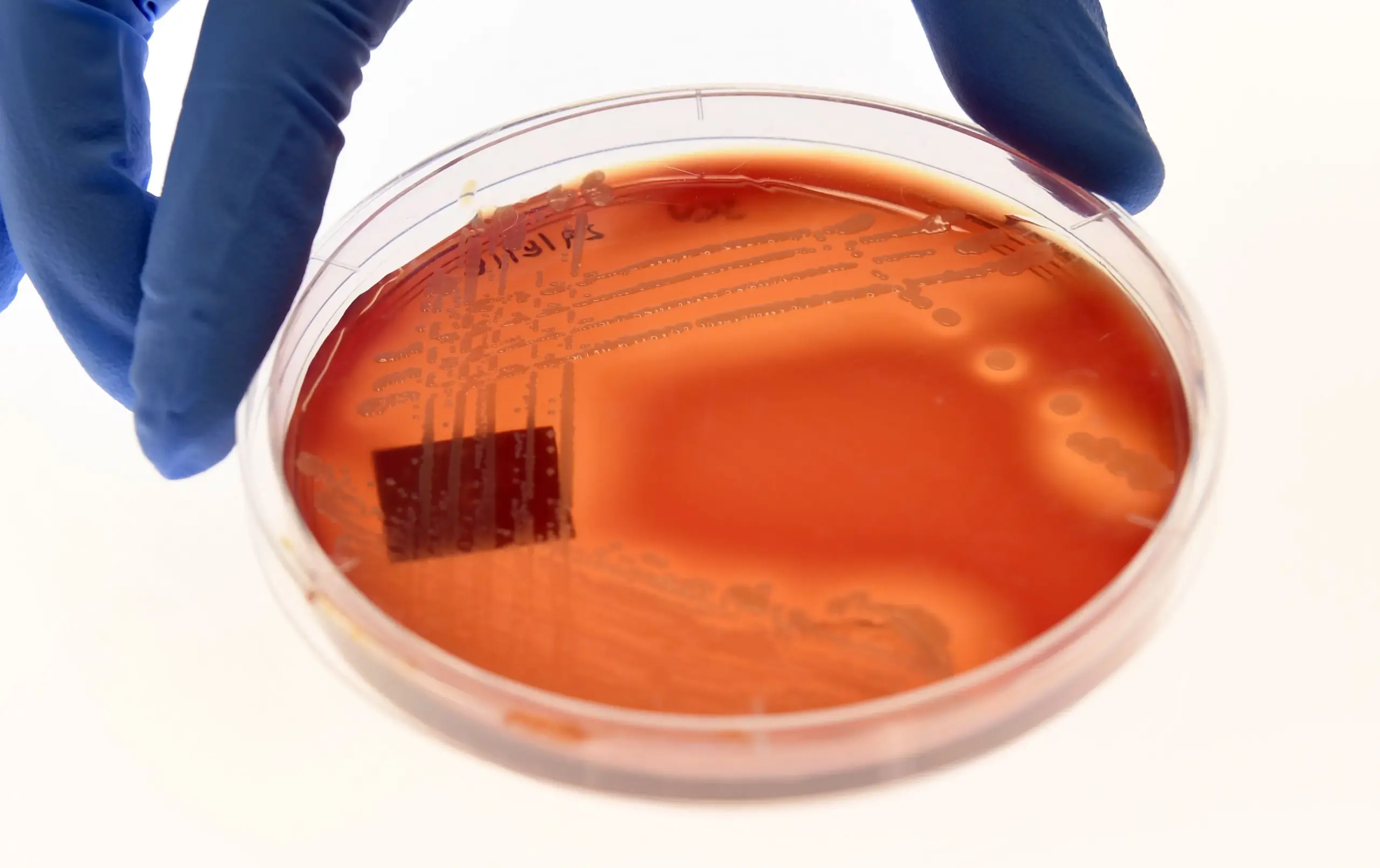
Antimicrobial resistance (AMR) is killing about one million people every year, with drug-resistant infections now claiming two lives every minute, the World Health Organisation (WHO) has warned.
Acting Director of the Antimicrobial Resistance Department, WHO, Dr Jean-Pierre Nyemazi, disclosed this at a press conference to mark the exhibition, “AMR: The Human Stories Behind a Silent Pandemic,” at the European Parliament in Brussels.
The exhibition, organised by WHO and European Parliament member Hon Martin Häusling, runs from 28 September to 2 October, featuring personal stories of people affected by antimicrobial resistance across Europe.
Nyemazi said AMR was no longer an abstract medical problem, as drug-resistant pathogens move across borders and between humans, animals, food systems and the environment.
He called for urgent action through vaccination, infection prevention, improved water, sanitation and hygiene, stronger surveillance, responsible use of antimicrobials and wider access to quality medicines and diagnostics.
“AMR is taking many lives. One million people die every year due to drug-resistant bacteria alone,” he said.
He said the updated Global Action Plan on AMR, approved by WHO Member States at the 2026 World Health Assembly, provides a 10-year framework centred on a One Health approach.
The WHO official urged governments to strengthen primary healthcare so patients can obtain timely diagnosis and appropriate treatment instead of buying antibiotics directly from pharmacies.
He also called for tighter enforcement of regulations prohibiting the sale of reserve antibiotics without prescriptions.
According to him, technology should also be used to track medicines dispensed by pharmacies and ensure they are used for legitimate clinical purposes.
Nyemazi stressed that new antibiotics and antifungals were needed, but warned that developing new drugs would not solve AMR if existing medicines continued to be misused.
“We have to do both: develop new tools and protect the ones we already have,” he said.
Other News
AMR survivor and member of the WHO Task Force of AMR Survivors, Rob Purdie, gave a personal account of the devastating consequences of resistant infections.
Purdie said his fungal infection began with a headache in 2012 but was initially misdiagnosed as a sinus infection and later as cluster headaches.
By the time he was correctly diagnosed with fungal meningitis, the infection had progressed significantly.
He said he subsequently failed several antifungal medicines, suffered severe side effects and lost his ability to earn a living for about five years.
Purdie urged governments and health systems to invest in diagnostics, vaccination, infection prevention and responsible antimicrobial use.
He said AMR must no longer be treated as a “silent” crisis when millions of people are dying or living with its lifelong consequences.
Häusling also warned against excessive antibiotic use in livestock, particularly the mass treatment of animals, saying resistant pathogens could spread from farms and slaughterhouses into the environment.
He called for an end to unnecessary and preventive antibiotic use and greater protection of last-resort medicines.
Purdie said a 10 per cent reduction in AMR was achievable if governments, health workers, journalists and the public acted collectively.
He warned that without effective antibiotics and antifungals, even minor infections could become life-threatening.
“If you die from a paper-cut infection, it does not matter that we can cure cancer or HIV,” he said.