Follow Us on Google
From Noah Ebije, Kaduna
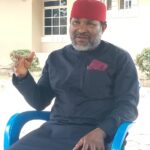
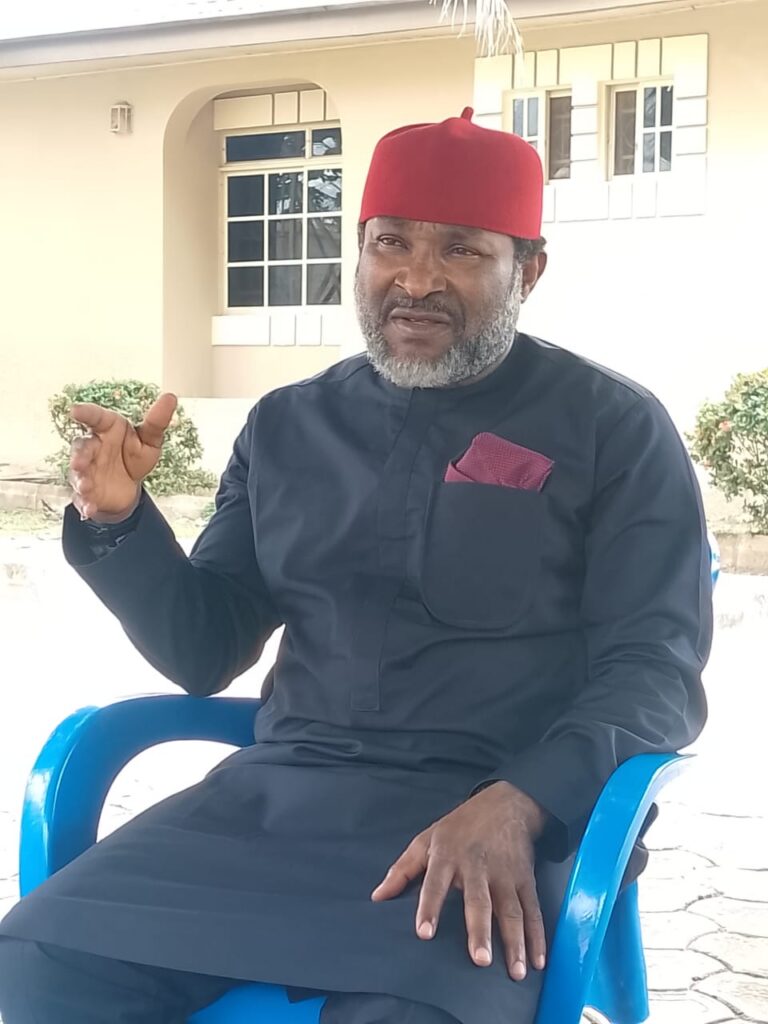
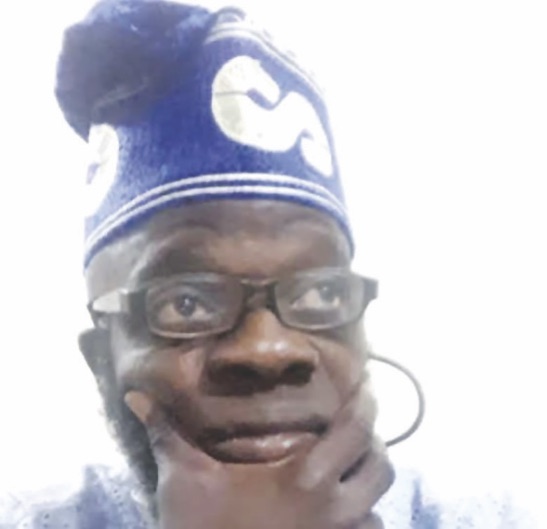
A chieftain of the All Progressive Congress (APC) and National Coordinator of the Disciples of Jagaban (DOJ), a support group for President Bola Tinubu, Comrade Abdulhakeem Adegoke Alawuje, has declared that Tinubu is already significantly ahead of the opposition coalition in the race for Aso Rock, ahead of the 2027 general elections.
In this interview, Alawuje claimed that there is no credible and organised opposition to defeat President Tinubu in 2027 election, adding that Nigerians should remain focused and not be swayed by the activities of the emerging coalition.
Alawuje also spoke on other burning national issues.
Excerpts:
As the National Coordinator of the Disciples of Jagaban (DOJ), are you still motivated to campaign for Tinubu in 2027?
Without hesitation, without apology, and without retreat, I say, yes. The word “Disciples” is not a slogan. It represents conviction. It represents ideological commitment. It represents belief in progressive governance and transformational leadership. Across Nigeria, our members remain energised, mobilised, and resolute in their support for President Bola Ahmed Tinubu’s re-election in 2027. We understand the reform agenda. We understand the temporary pains. But more importantly, we understand the destination. History reminds us that transformative leaders are rarely celebrated at the beginning of reform, they are tested, criticised, and resisted. There was a time during President Tinubu’s first term as Governor of Lagos State when his reforms were unpopular and fiercely opposed. As an opposition governor facing a hostile federal government, many predicted his political end. Some believed he would not survive politically beyond 2003. His policies were bold. They disrupted entrenched interests. They demanded sacrifice. There was resistance, anger, and even hostility. But he stayed the course. Today, Lagos stands as one of the most vibrant and economically viable subnational economies in Africa. From internally generated revenue to infrastructure, urban reform, and governance structure, the transformation is undeniable. What was once criticised is now celebrated. Those of us who witnessed that transformation understand something many critics do not: meaningful change is never comfortable. Progress requires courage. Reform demands resilience. As the National Coordinator of the Disciples of Jagaban, I am proud to say that my name was listed among those who stood firm during critical political battles, among those who refused to bow to entrenched interests and so-called cabals. The sacrifices were not for personal gain; they were for the future of Nigeria. We stood because we believed then, and we still believe now that Nigeria deserves courageous leadership. Our support is not blind loyalty. It is loyalty rooted in evidence. It is faith grounded in experience. It is commitment built on results. We have seen this pattern before: difficult beginnings, loud criticisms, but lasting achievements. Reforms require patience. Nation-building requires endurance.
And great leadership requires the strength to withstand pressure in order to deliver progress. And we believe that, in time, Nigerians will be proud to say they stood on the side of reform, resilience, and renewal. remain motivated. That is why we remain committed. That is why we will continue to campaign for Mr. President.
Now that the senate has included electronic transmission of election results, but rejected real-time transmission of results in the proposed electoral reforms, do you think free, fair, and credible elections will be guaranteed?
The inclusion of electronic transmission of election results is a major step forward in strengthening Nigeria’s electoral process. It enhances transparency, improves accountability, and significantly reduces the room for manipulation or unnecessary disputes.
However, while technology is an important tool, the credibility of elections ultimately depends on the collective commitment of institutions, political actors, and citizens to uphold the rule of law. Electronic transmission of results increases public confidence because Nigerians can follow the process more transparently and verify outcomes more easily. As a party, the APC and President Bola Ahmed Tinubu have nothing to fear from a transparent and accountable electoral system. We believe elections should be won on the strength of performance, policies, and the trust of the people, not through manipulation.
With these reforms in place and properly implemented, Nigerians can be more assured that their votes will count and that the will of the people will be clearly reflected at the polls.
Which specific achievements do you think will contribute most to President Tinubu’s electoral success in 2027?
Other News
Every nation reaches defining moments when leaders must make difficult but necessary decisions, choices that may be challenging in the short term but essential for long-term stability and prosperity. President Bola Ahmed Tinubu has demonstrated the courage to confront long-standing structural issues that previous administrations avoided. Several key achievements will speak strongly to Nigerians as 2027 approaches: One is the removal of Fuel Subsidy and Fiscal Reforms; for decades, fuel subsidy disproportionately benefitted a few while draining national resources. Its removal ended a major fiscal leak and created room for investments in infrastructure, social programmes, and state allocations.
Two, Foreign Exchange Unification and Economic Stabilisation: The unification of the exchange rate system restored transparency and improved investor confidence. It has helped reposition Nigeria within the global financial system and laid the groundwork for economic stability. Growth in Non-Oil Revenue: Through tax administration reforms and improved revenue collection mechanisms, Nigeria is gradually reducing its overdependence on oil revenues while strengthening fiscal sustainability. Revival of Local Refining and Energy Security: With increased local refining capacity, Nigeria is reducing reliance on imported petroleum products, conserving foreign exchange, and strengthening energy security. Infrastructure Development Across Regions: Major projects such as the Lagos–Calabar Coastal Highway, rail development initiatives, and nationwide road rehabilitation are improving connectivity, stimulating trade, and creating employment opportunities.
Social Investment and Support for Vulnerable Citizens: Targeted cash transfers and social support programmes were introduced to cushion the impact of economic reforms on vulnerable Nigerians, demonstrating a balance between reform and social responsibility. Agriculture and Food Security Initiatives: Enhanced support for farmers, improved access to financing, and strategic policy interventions aim to boost domestic food production and strengthen long-term food security. President Tinubu’s governance background and political experience have enabled him to take decisive actions aimed at repositioning the country. Reforms are rarely easy, but sustainable progress requires confronting difficult realities rather than postponing them. The foundation being laid today is aimed at building a more disciplined, productive, and resilient Nigeria. As these reforms mature and their benefits become more evident, Nigerians will ultimately assess leadership based on performance and long-term national interest.
Insecurity has become a recurring decimal in Nigeria. What is the way out?
Addressing insecurity in Nigeria requires a comprehensive approach that begins at the grassroots. Local and state governments, with strong federal backing, must urgently reduce the level of hardship faced by citizens, particularly in rural areas. Poverty, unemployment, and social exclusion have unfortunately become automatic recruitment channels for criminal elements. Beyond military action, government must expand access to education, vocational training, and economic empowerment. Importantly, the opposition and political actors must stop politicising, romanticising, or indirectly celebrating banditry and kidnapping. As long as criminality is used as a political tool, meaningful progress on insecurity will remain difficult. National security must be treated as a collective responsibility, not a campaign strategy.
With the APC now controlling 31 states, some fear Nigeria is drifting toward a one-party system. Is this healthy for democracy?
Rather than blaming defecting governors, Nigerians should ask whether there is currently a credible, well-organised alternative capable of winning national elections. Politics is dynamic. Governors make decisions based on political stability and governance considerations. The APC is not deliberately pushing Nigeria toward a one-party state; rather, the opposition must strengthen itself to remain competitive and relevant.
The Muslim-Muslim ticket may return in 2027. Should there not be a balance between religions?
Religion should not be the primary driver of political discourse. From a strategic standpoint, replacing Senator Kashim Shettima, regardless of religion would be a serious political error for the APC. Such a move would create unnecessary controversy and hand the opposition a powerful narrative, particularly in the North. The APC understands the importance of balance, inclusion, and national cohesion, and these factors will guide its decisions.
Following President Tinubu’s stumble in Turkey, some have called for his resignation over health concerns. Do you agree?
Absolutely not. President Tinubu was elected to lead, reform, and reposition Nigeria, not to engage in physical contests. Leadership is measured by vision, experience, competence, and strategic thinking. Many world leaders have stumbled physically in public without their capacity to govern being questioned. What Nigerians need from President Tinubu is his intellect and leadership, not physical theatrics.
Senator Ali Ndume claims there is growing discontent in the North against Tinubu’s government. Will this affect 2027 elections?
Senator Ndume is entitled to his opinion. However, much of the alleged discontent has been amplified by opposition narratives and misinformation. We are actively engaging the northern populace with facts about the president’s policies and reform direction. I am deeply involved in northern politics, and I can confidently state that the North will still stand with President Bola Ahmed Tinubu in 2027.