Follow Us on Google
By Lawrence Agbo
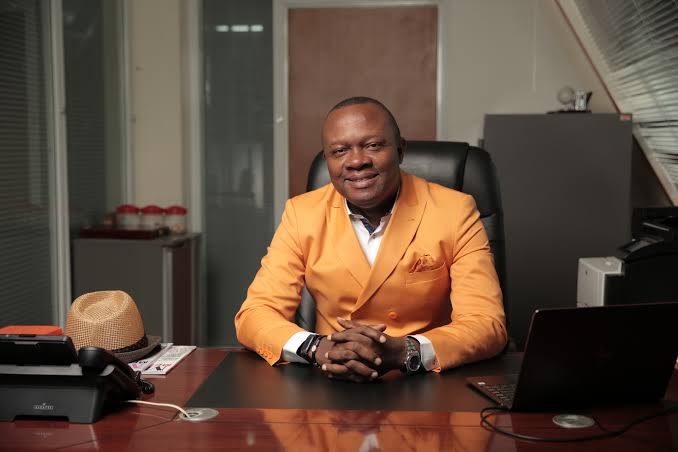
Former Anambra State governorship candidate and founder of the Valiant Movement, Valentine Ozigbo, has urged Nigerian youths to stop placing their hopes solely on established political figures ahead of the 2027 elections, warning that the country’s future cannot depend entirely on the same generation of leaders.
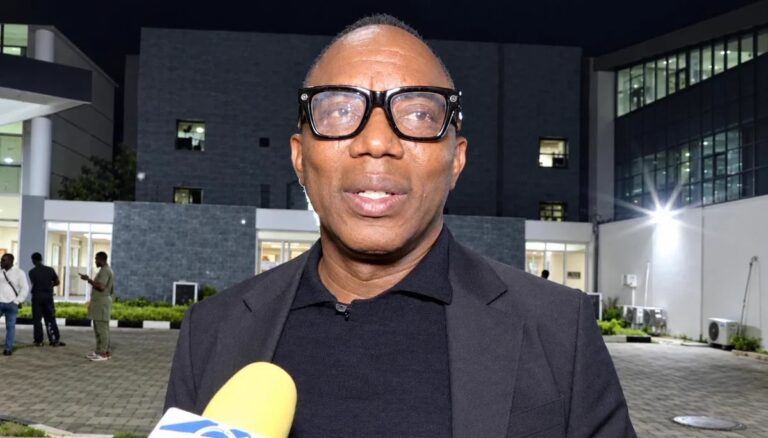
Ozigbo made the remarks during an interview on ARISE News, where he reflected on Nigeria’s political future and the role of young people in driving meaningful change.
Ozigbo said young Nigerians must take greater responsibility for shaping the country’s future rather than waiting for prominent politicians to solve the nation’s problems.
“I don’t see much difference between Tinubu, Obi, and Kwankwaso, they are Nigeria’s problem… I have lost hope in the older generations”, he said.
“I am saying this because the younger generation needs to wake up and stop outsourcing their destiny to people who, in some cases, have contributed to the problems of Nigeria, while expecting them to fix it,” he added.
According to him, young people have a critical role to play in rebuilding the country and should not rely exclusively on politicians from the older generation.
“We need to remind young people that they are the ones who will ultimately rebuild this country. I have lost confidence in the older generation to drive the kind of change Nigeria needs,” Ozigbo stated.
The former governorship candidate argued that many of Nigeria’s current challenges are symptoms of deeper structural and leadership failures.
Other News
“Many of the challenges we discuss today are symptoms of deeper problems. When we talk about issues such as exchange rate volatility, inflation, rising insecurity and other economic concerns, we must ask ourselves where these problems originate,” he said.
“In many cases, they can be traced to poor governance, weak leadership and a decline in civic responsibility. Yet even these are symptoms of something more fundamental that has gone wrong over time.”
Ozigbo expressed concern about the country’s deteriorating security situation, describing it as evidence of a broader societal crisis.
“We have reached a point where the kidnapping of even a two-year-old child can occur,” he lamented.
He also identified the high cost of political participation as one of the biggest barriers preventing capable Nigerians from seeking elective office.
“The first challenge is the enormous amount of money required to participate in politics. People spend as much as ₦150 million just to secure a party ticket for positions such as the House of Representatives or the Senate,” he said.
According to him, the financial demands of the political process often discourage qualified individuals from participating and can compromise those who eventually emerge as candidates.
“When the cost of entering politics is so high, it creates a system that discourages capable and well-meaning individuals. Even if someone begins the process with good intentions, the pressures and compromises involved can fundamentally change them by the time they emerge as a candidate,” Ozigbo added.
He maintained that meaningful change in Nigeria would require greater youth participation in politics, stronger institutions and a leadership culture driven by competence rather than financial influence.