Follow Us on Google
From Okwe Obi, Abuja
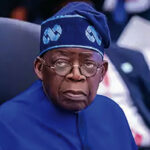
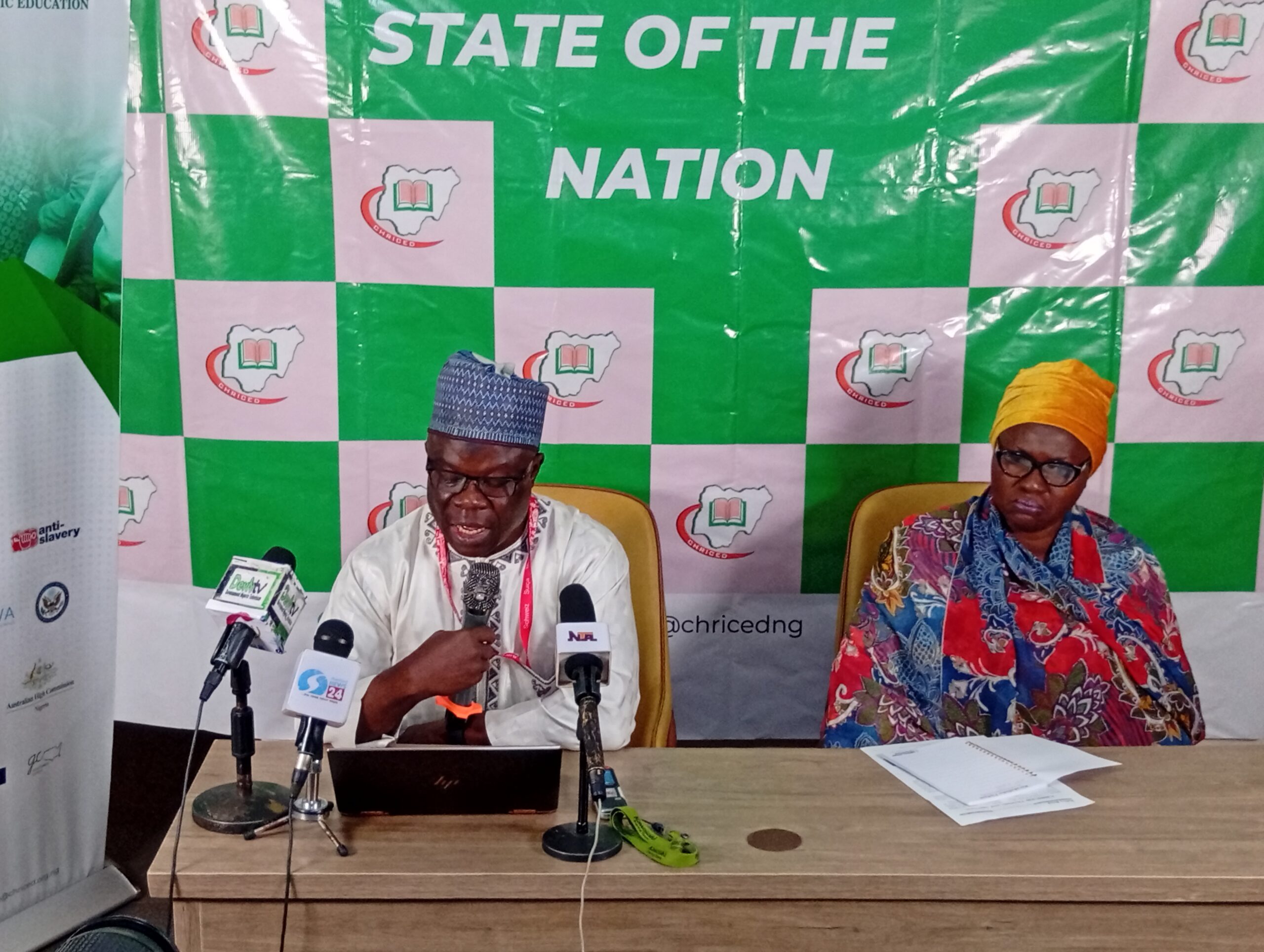
Resource Centre for Human Right and Civic Education (CHRICED), in its end-of- the year appraisal scored President Bola Tinubu low on security, economy, health and human rights.
CHRICED, told journalists yesterday in Abuja that President’s insistence to forge ahead with the Tax Reform Bill despite public outcry and rejection, was undemocratic.
Its Executive Secretary, Ibrahim Zikirullahi, said the cost of living threatened human lives, stressing that more than 18 months under President Tinubu’s administration, Nigerians are worse off.
He cited the headline inflation, which he said stood at 29.90 percent in January 2024, rose to 34.60 percent by the end of November.
“The cost of food, transportation, fuel, drugs, and key essential supplies continue to soar beyond the reach of ordinary Nigerians.
“For millions of Nigerians, securing enough food for a single meal each day has become increasingly difficult.
He argued that the government’s removal of the fuel subsidy in 2023 intensified the problem, triggering a dramatic rise in prices that, in turn, led to higher transport costs for goods.
“This sudden rise in transportation costs has affected the entire food supply chain, making even staple foods unaffordable for many households.
“A recent report from the National Human Rights Commission highlights the dire consequences of these economic difficulties, revealing that poverty has led some men to abandon their families.
“This abandonment not only exacerbates the plight of those left behind but also contributes to a cycle of poverty that is difficult to escape. The social fabric of communities is fraying as economic pressures mount, leading to increased crime rates and social unrest as individuals struggle to survive.
“President Tinubu’s promise to cultivate 500,000 hectares of farmlands across the country appears not to have made any impact.
“The government announced a 6-month food importation programme that seems not to have taken off several months after it was announced.
“The promised national wheat development program and several policy announcements related to food production and food security are yet to be seen as Nigerians continue to struggle and languish in hunger and penury. Where are the President’s promises? devaluing the Naira without protecting the poor.
Other News
“At the beginning of the year 2024, the Naira, which was exchanged at approximately N900 to the US dollar, closed off at over N1,600 to the US dollar due to the floating policy of President Tinubu.”
The comrade noted that the recent resurgence of cash scarcity across many urban centers served as evidence of a return of the painful experiences faced by many Nigerians during the Buhari administration, a period marked by significant difficulties in accessing cash for daily needs.
On the Tax Reform Bill, he said: “The President Tinubu has remained adamant about pressing on the bill while ignoring public calls for more debates and discussions.
“Among several provisions, the bill seeks to progressively increase the Value Added Tax (VAT) from 7.5% to 15% by 2030. Such a significant hike in VAT would lead to a sharp rise in the prices of essential goods and services and further worsen the economic hardship facing many Nigerians.
“This report clearly indicates the helplessness of Nigerians in the hands of criminals due to the failure of the government to provide security for its citizens.”
Amidst the plethora of problems, he recommended that the Tinubu Government should lead by example, by urging him and other elected officials to set a precedent by significantly reducing the costs associated with governance.
“It is untenable for the government to impose austerity measures on the populace while politicians indulge in extravagant lifestyles funded by public resources.
“A constructive initial step in 2025 would be for the President to downsize the government by adopting several recommendations outlined in the Oronsanye Report.
“Furthermore, the President and his economic management team must devise more effective strategies to address the nation’s economic issues in 2025.
“The current trial-and-error methodology has proven ineffective and only exacerbates the situation.
“Addressing corruption and substantially curtailing waste in public spending is essential to liberate additional resources for initiatives that will have a direct impact on citizens’ lives.
“To effectively tackle the nation’s economic challenges, we propose that the government empowers the 774 local government areas as a foundational platform for economic recovery and industrial development.
“We advise that the administration prioritize clear structures and programs for social protection in Nigeria and shift from the knee-jerk, uncoordinated, politically-motivated handouts to his political friends in the name of poverty alleviation programs.
“It is crucial that the government address the glaring wage disparity between political office holders and civil servants,” he recommended.