Follow Us on Google
A unified Northern Nigeria Human Capital Blueprint is needed to fast-track human capital development across the region, Zamfara state government said.
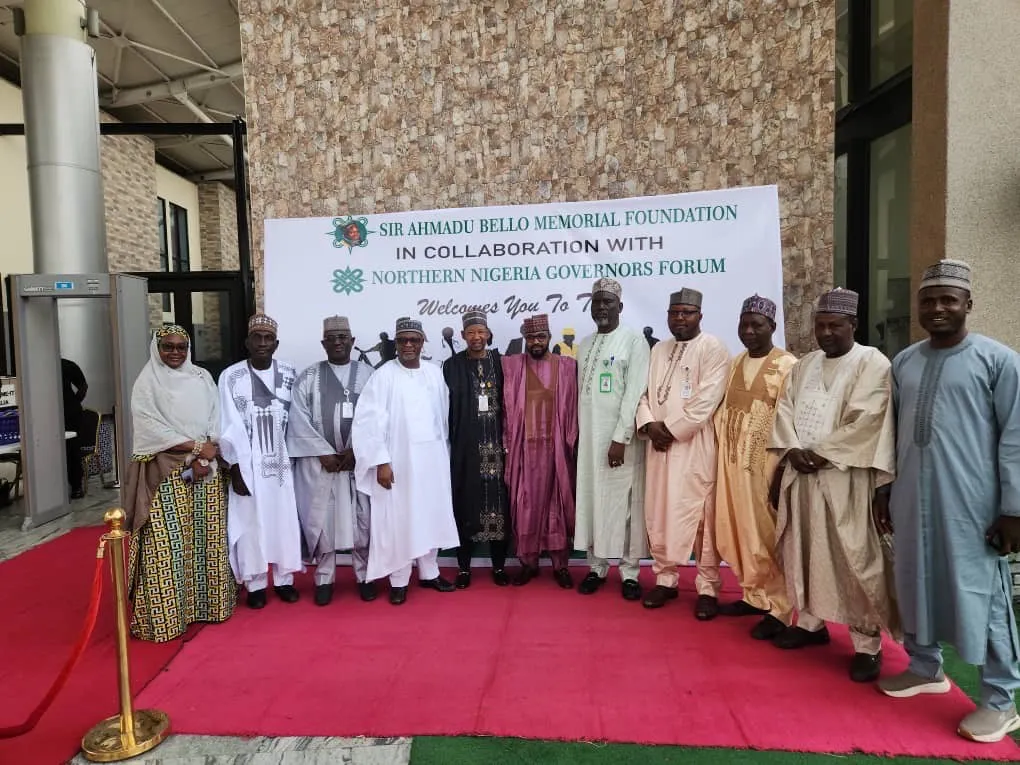
The call was contained in a proposal submitted by the state’s high-delegation led by the Speaker of the Zamfara State House of Assembly, Bilyaminu Ismail Moriki, at the Summit on Enhancing Human Capital Development in Northern Nigeria held at the NAF Conference Centre, Abuja, on Wednesday.
The summit, themed “Reversing the Decline, Unleashing Potential for Northern Nigeria,” was organized by the Sir Ahmadu Bello Memorial Foundation in collaboration with the Northern Governors’ Forum.
In a written statement submitted on behalf of the Zamfara State Government, the Speaker lamented that the Northern region regrettably accounts for the highest share of Nigeria’s out-of-school children, while multidimensional poverty, maternal mortality, youth unemployment, and insecurity continue to undermine productivity and economic growth.
He said these challenges are surmountable through a unified approach to human capital development, especially given the region’s promising youth population.
“These challenges are not separate problems; they are one crisis, demanding one coordinated response. No single state can resolve a regional crisis alone.
“This underscores the urgent need for a coordinated regional approach that places human capital development at the centre of our development agenda — the health, education, skills, and productivity of our people.
“I therefore call on all Northern Governors to join Zamfara State in establishing a Northern Nigeria Human Capital Development Compact and Regional Blueprint anchored on shared targets, annual scorecards, peer learning, evidence-based decision-making, and joint accountability.
“Such a framework will enable us to collectively track progress, mobilize resources, and accelerate investments in education, healthcare, skills development, and social protection across the region,” the statement reads.
“Zamfara State continues to confront the unique and disproportionate burden that insecurity places on education, healthcare, livelihoods, and human capital outcomes.
“Governor Dauda Lawal’s administration has made deliberate and measurable progress against this backdrop. However, the scale of what confronts us still requires stronger partnership, deeper investment, and sustained collaboration.
“We particularly seek support for innovative financing, digital transformation, climate resilience, youth employability, girls’ education, social protection, and systems-strengthening initiatives capable of delivering measurable improvements in human capital outcomes within fragile and conflict-affected communities,” the statement said.
END