Follow Us on Google
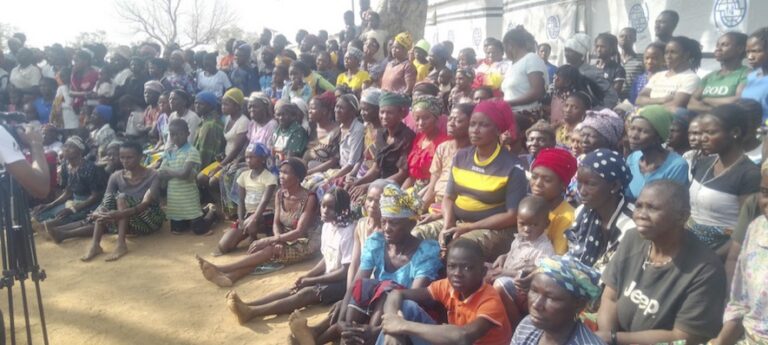
More than 16 million children have now been reached through the SARMAAN Project across northern Nigeria, a milestone that says as much about system strength as it does about operational scale.
That number should now force a bigger policy question: when a child-survival intervention proves it can be delivered at scale, how does a country ensure it does not simply remain a project forever?
That question matters because the success of a public-health intervention is determined long before implementation begins. It starts with planning, logistics, financing, data systems, regulatory oversight, health-worker readiness and strong government partnership.
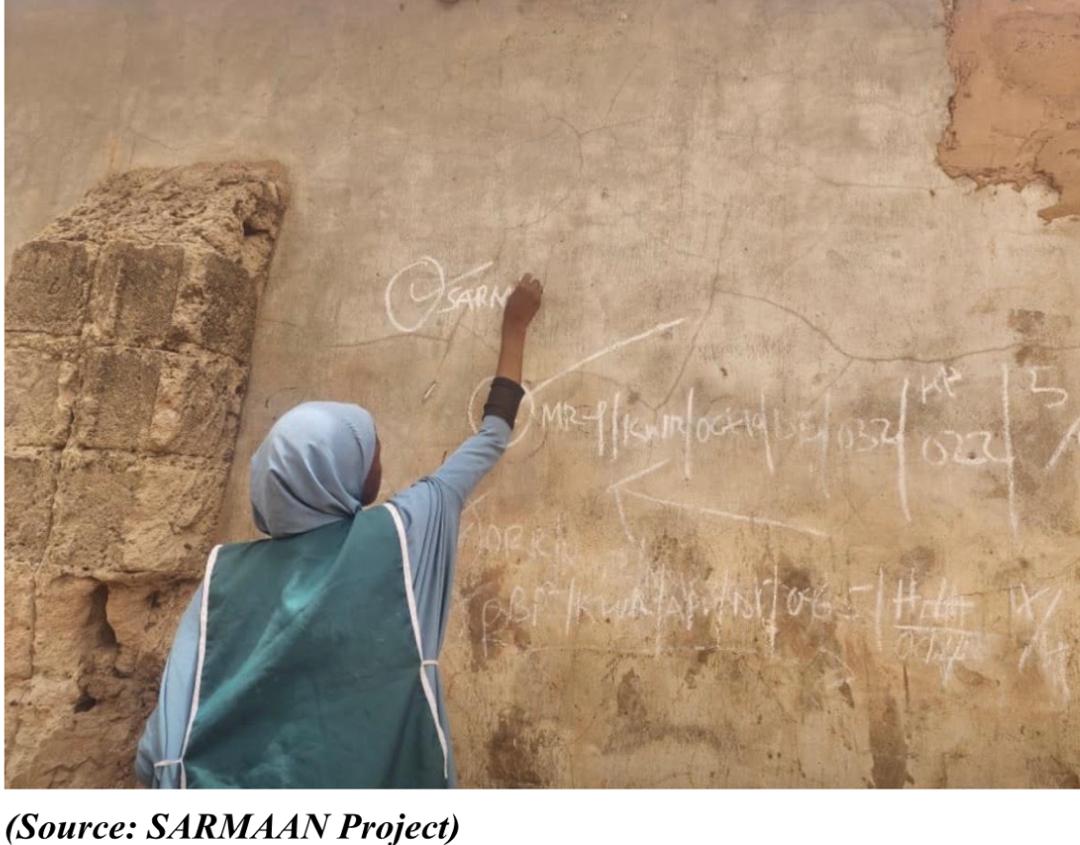
In Q2 2026, nine states successfully implemented house-to-house azithromycin administration under SARMAAN, with Kebbi, Kaduna, Katsina, Bauchi and Jigawa completing their third rounds, Gombe, Adamawa and Yobe delivering their second rounds, and Sokoto implementing its fifth round. These are not just campaign milestones but also show a health system building the discipline to coordinate, deliver and learn across multiple states.
Too often, public-health success is described only through visible outputs like bottles distributed, rounds completed, children reached. But child survival depends just as much on the unseen work behind each round. Procurement, state alignment, last-mile delivery, community engagement, safety monitoring and technical coordination are not side-details but also what make large-scale interventions possible.
Other News
This is where SARMAAN’s real policy significance lies. The project has reached millions of children aged 1–59 months but beyond reach, the programme has shown what becomes possible when Nigerian institutions, researchers, implementing partners, state actors and frontline workers align behind a common child-survival goal. That alignment is not just a project asset but a national systems asset.
The next chapter, therefore, has to be defined by national ownership and long-term investment. Nigeria’s Child Survival Action Plan already provides a policy foundation for reducing under-five mortality and strengthening the systems that protect children. The task now is to ensure that interventions with proven operational value, including SARMAAN, are connected to national planning, budgeting and implementation frameworks in ways that outlast donor cycles.
For policymakers, the central issue is not simply whether SARMAAN works in the short term. It is how proven child-survival interventions become permanent fixtures of national health systems without losing safety, accountability or community trust. That means strengthening domestic financing, embedding interventions in routine state structures, sustaining evidence generation around safety and antimicrobial resistance, and continuing the community engagement that makes acceptance possible.
The deeper lesson of SARMAAN is not only that millions of children can be reached. It is that Nigeria can organise itself to deliver complex child-survival interventions at scale when institutions are aligned and systems are taken seriously. The real test now is whether these gains become part of the permanent grammar of national child health. Because every child reached is not just a number. It is a future the health system must keep protecting.