Follow Us on Google
With Funsho Arogundade
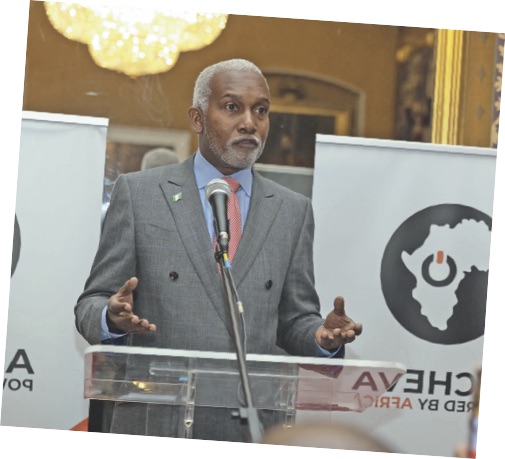
In political corridors where volleys of rhetoric often drown measurable progress, Ambassador Yusuf Maitama Tuggar has carved a measured niche for himself as Nigeria’s Foreign Affairs Minister who insists that policy, not pandering, should drive governance. Tuggar’s ascent from the hallowed classes of Bauchi to the global stage of diplomacy has foisted on him expectations that stretch beyond ceremonial diplomacy. For Tuggar, the Foreign Affairs Ministry is more than a cloak for national representation abroad; it is a lab where issues of security, development, and Nigeria’s image intersect.
Other News
Bauchi State, with its rich but troubled history of governance challenges, remains a testing ground for how leaders translate pedigree into tangible improvement for ordinary citizens. The 2027 horizon is already drawing lines —between those who argue that leadership must originate from seasoned administrators with a track record of disciplined governance, and those who contend that political power should be rooted in grassroots mobilisation and party loyalty. Tuggar’s name surfaces in conversations across town squares and policy salons, not merely as a symbol of prestige, but as a proxy for the kind of governance that could deliver steady schools, reliable electricity, accountable public service, and safer communities.
Within the political ecosystem, Tuggar’s perceived integrity is a treasured asset in a landscape where trust is a scarce currency. If the 2027 contest is, in part, a referendum on character as much as policy, then the ambassador’s narrative —one of consistency, performance, and a reputation for upholding principles—could resonate with a citizenry worn by the ebb and flow of promises that outpace delivery. But integrity alone is not enough; voters look for a credible roadmap, a clear plan for governance, and a readiness to confront hard choices, especially in states where development bottlenecks have persisted for years.
As the 2027 elections approach, Tuggar’s story —of service, scrutiny, and a vision for a Nigeria that combines diplomacy with domestic stewardship— will continue to be part of the larger national dialogue about who best can steer Nigeria toward stability, prosperity, and renewed trust in public institutions.