Follow Us on Google

Chukwudi Nweje
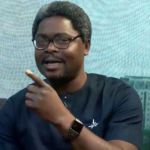
Akorede Balogun is the Project Coordinator, Ballykleff Entertainment. He has spent over one year now educating voters on the electoral process and the need to vote. He speaks on the need for Nigerians to participate in this year’s elections.
From the entertainment industry, you recently delved into political mobilisation. What exactly are you doing?
I run an entertainment outfit called Ballykleff Entertainment. But recently, what I’ve been doing since 2018 is to advocate and enlighten people on the need to collect their Permanent Voter’s Card (PVC). Instead of everybody sitting and complaining that the system is not working, the people should register and also vote during the general election. What we are doing basically is to sensitise them that they can actually change the system by registering and collecting their PVC. What we are hearing today is that even after registration, many people have not collected their PVC from the Independent National Electoral Commission (INEC). We feel that we have not done enough by just telling people to go out and register. What we are now saying is that it is not enough to get registered. People have to pick up their PVCs. It is also not enough to collect the PVC the people have to use it and that it is not enough to use it, that they have to use it wisely. I see election as a process whereby the electorate will sit every four years and decide on their leaders. So when we talk about this sensitisation, we are not just talking about the grassroots. Everybody has to be lectured to get prepared for the election. That is why we have taken it upon ourselves to let people know why they need to vote and why they must vote wisely. The message is ‘say no to violence; vote don’t fight; say no to violence before, during and after the elections.’
What informed your decision to embark on this project?
I didn’t want to play the blame game later. Many people just sit back and watch without doing anything in their own little way to add value to the society. This project which has been on for little over one year now is my own little contribution to sensitise the society and make them understand that it is important to stop complaining and take action.
Nigeria’s experience with elections is that less than 30 per cent of registered voters turnout to vote on election day. Are you optimistic that what your project has done so far will make a difference this time around?
Every time we go on our sensitisation, we talk the people through the election process and what they need to do before they vote. We educate them on the role of the INEC officials, the security agents and what they as the electorate should do from collecting the ballot paper to thumb-printing and dropping it in the ballot box. The message we are trying to pass across is to ensure every process of the electoral chain be respected. We have noticed that sometimes people arrested for electoral offences are released by the second or third day. Because nobody is punished for election fraud, the same series of electoral offences are repeated at every election.
What we have noticed is that at every stage of the electoral process, people need certain information but don’t know who to talk to. We have a branded vehicle that we use for our work and whenever people see us they come to ask questions bothering them. What we observed is that most of the information already out is mainly for the elite, they have not filtered down. That is why we decided to take it to the streets. Maybe we may not see the effect at the current elections but in another five to 10 years people will see it. We will not wait for four years after this election before we begin our sensitisation campaigns.
Are you collaborating with INEC and the police in your sensitisation project?
Presently INEC knows what we are doing and they are happy about it, but we have no one-on- one engagement with the commission. We don’t have any collaboration with the police.
This is an electoral advocacy you are doing; don’t you think there should be an official engagement with the relevant agencies to further strengthen what you are doing?
We have decided to go to media houses so that what we are doing will be communicated to the public at every level.
The general election is about two weeks away. What impact do you think you have made in terms of preparing people for this 2019 election?
I fund this project; I would have loved if the campaign was conducted nationwide. But some people think that maybe I get funding from somewhere. Some people feel that I should at least share 30 percent of what I’m getting with them. This project is not non-partisan. There is no way I will accept funding from a politician because the nature of the average politician is that he doesn’t do anything for free. All we do is voter education and sensitisation, don’t sell your votes. If I accept funding it will be from non-governmental organisations or private organisations so that we can achieve more. I believe the project has made some impact in fact some people have changed my name to Mr. PVC. What I’m trying to say is that this is not something we will get right overnight. We have made up our mind on the project and we believe with time we can achieve it. We will draw a timetable and like I said immediately after the election, once we are able to catch enough rest we will continue the sensitisation.
From all you have said your project is a work in progress. As far as 2019 general election is concerned, you are inhibited by time. Going forward, how would you sustain the campaign as well as clear that suspicion that you are being funded by someone?
What I believe is that whether I do good or bad someone is talking. Like I tell the people I sensitise, vote your conscience. Once my conscience is clear that I have not collected money from anyone, I’m good enough. This has always been my drive. If I can come on a national television and say I’m not getting funding from any one I believe people will listen to me. The fact that I’m not doing this for money I believe is the reason that will keep me going.
February 16 and March 2, what is your advice to Nigerian electorate?
What I will like Nigerians to do is get their PVC. PVC collection will end on February 8. But everyone that is able to get his PVC should go out and use it wisely. A ballot paper is assigned to every PVC, in fact you are part of Nigeria’s problem if you don’t vote; you are wasting taxpayers’ money if you don’t vote. I will advice Nigerians to say no to violence before, during and after the general elections.