Follow Us on Google
From Aniekan Aniekan, Calabar
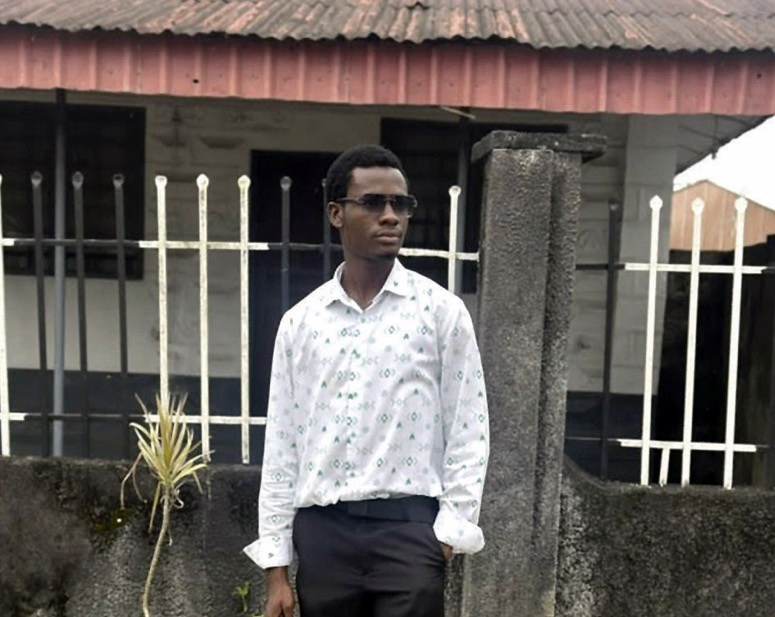
Samuel Kusi Henry, a graduate of the University of Cross River State, has offered some solutions to the plastic waste nightmare facing country today.
In Nigeria, plastic waste has become a momentous challenge, choking rivers, polluting landfills and harming marine life.
The country’s inadequate waste management infrastructure and lack of effective policies have led to plastic waste crisis, particularly the improper disposal of the popular “pure water sachet.”
Henry, a Cross River State-born scientist, has taken up this challenge by proffering some solutions. In the course of studies, he has witnessed firsthand the devastating impact of plastic waste on his immediate community.
From clogged drains around his community, which is dominated by plastic waste from pure water sachet, he has experienced the effects: flooding around the UNICROSS environs like Ekpo Abasi junction as well as the Idim Ita end of the institution.
As he dug deeper, Henry discovered that the problem was not just about individual actions but also about systemic failures. However, he realized that the problem could be partially addressed using scientific research that spurred him to undertake a study of converting these huge volume of sachets to beneficial use.
Speaking of his research work, he said: “We were presented with the problem of nondegradable waste blocking our drainages, causing flood in Calabar metropolis, affecting the ecosystem of fishes in our rivers, despite the efforts of the government to reduce plastic waste in our environment, it’s effect increased by the day.
Other News
“So, we took polyethylene (pure water sachet) and used a process called pyrolysis to convert the polyethylene to cooking oil due to the small-scale of the lab setup.
“We were only able to trap the cooking oil but we believe that the gases that refused to condense can also be used as gas for cooking. And the cooking oils also can be refined to power vehicles and engines.”
According to the young graduate of pure and applied chemistry, as the problem of plastic waste persists in our society, government can consider this source of energy as an alternative to crude oil.
He also disclosed that, with funding, further research could be done, like refining the cooking oil to fuel for vehicles and engines.
In addition, he sought investments in the area of equipment to ensure young scientists have adequate materials to undertake research that can solve contemporary societal challenges.
The presentation of this pyrolysis was done during the celebration of World Environment Day, with the theme, “Controlling plastic waste.”
The research work attracted a Certificate of Commendation from the University of Cross River State. The university expressed appreciation to the young researcher for claiming the first prize on the Cross River State World Environmental Day, a demonstration on “The effective management of plastic waste: From waste pure water sachet to burning oil and cooking gas.”