Follow Us on Google
From Adesuwa Tsan, and Ndubuisi Orji, Abuja
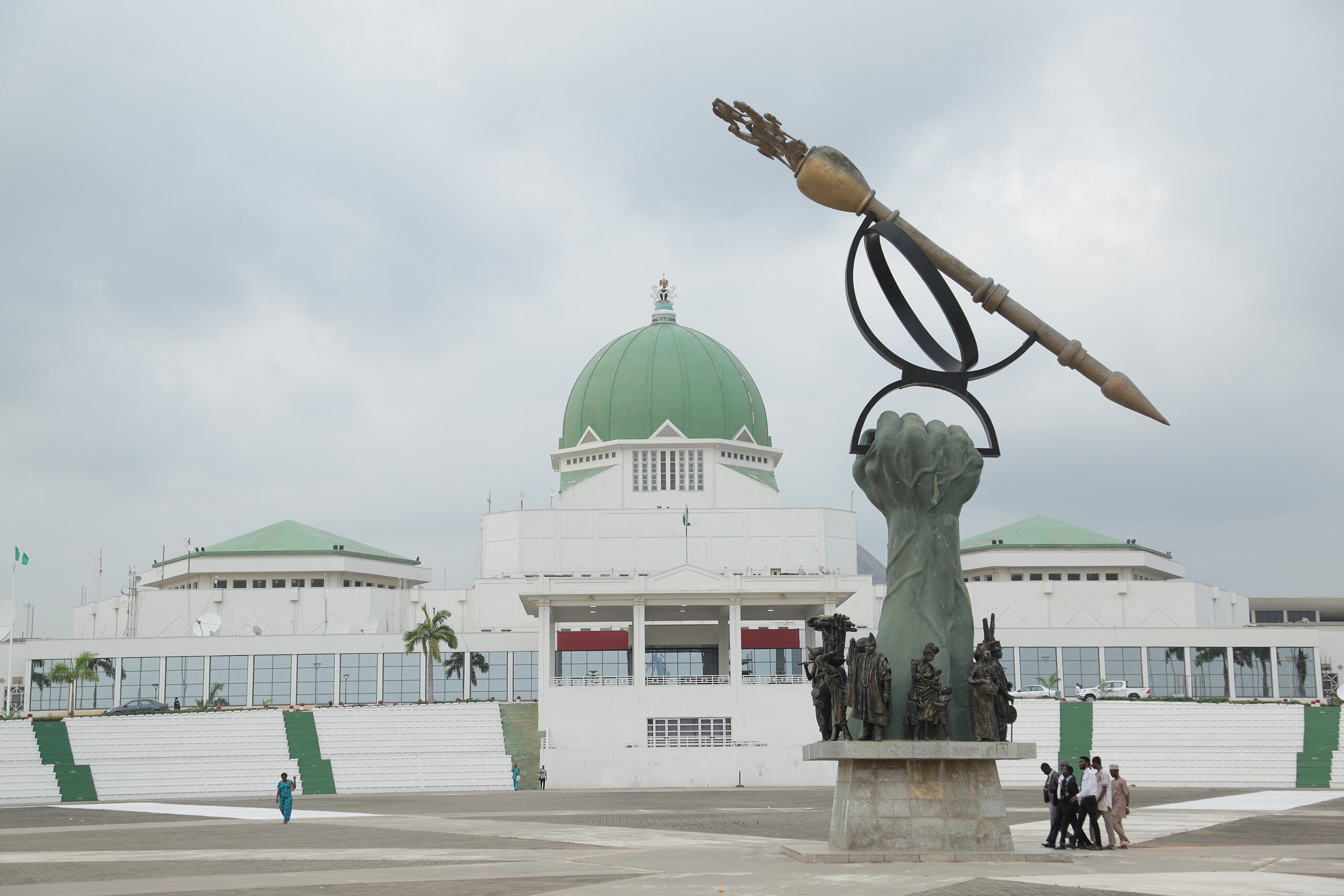
Following the recent xenophobic attacks against Nigerians living in South Africa, both Houses of the National Assembly, the Senate and the House of Representatives have called on the Federal Government to take urgent action to arrest the ugly trend.
The Senate warned that continued violence, intimidation and reprisals against Nigerians in South Africa and Ghana, could strain diplomatic ties and undermine regional stability if urgent action was not taken.
This followed a motion of urgent national importance sponsored by Aniekan Akpan and co-sponsored by Osita Izunaso, with lawmakers expressing deep concern over what they described as a pattern of hostility in which Nigerians are “increasingly profiled and treated as though being a Nigerian national alone constitutes an offence.”
In its resolutions, the Senate urged the Federal Government to immediately initiate high-level diplomatic dialogue with South Africa and Ghana to secure protection for Nigerians and obtain enforceable assurances against future attacks, while calling for a full, transparent, credible and independent investigation into all reported incidents.
It also insisted that perpetrators and their sponsors must be identified, arrested, prosecuted and punished, in addition to calling for the development of a comprehensive protection framework for Nigerians in the diaspora, including early warning mechanisms, diaspora displacement coordination centres, strengthened legal and diplomatic support structures and clear evacuation protocols.
They also pressed for strong regional enforcement and accountability measures within ECOWAS and the African Union to deter xenophobia through diplomatic and legal action that protects African citizens across borders.
The chamber described the attacks as barbaric, unlawful and inconsistent with African brotherhood, raising alarm over what it termed advocacy of fear, humiliation and psychological trauma. The lawmakers noted that authorities in South Africa had acknowledged the incidents and pledged to restore order, a development the Senate said confirms the seriousness and contemporary nature of the incidents.
The senators maintained that the attacks violate international human rights principles and ECOWAS protocols on free movement and the African Union Charter, stressing that such actions undermine guarantees of dignity and protection.
“These attacks offend the conscience of civilised nations,” the Senate stated, adding that no individual, whether in authority or not, is above the law and no citizen is beneath its protection.
The senators outlined the toll of the recurring violence, citing loss of lives, destruction of businesses built over decades, displacement of families, including children and the elderly, severe psychological trauma and erosion of dignity and security.”
Despite repeated diplomatic assurances from host countries, the chamber lamented the lack of accountability, visible deterrence, prosecution of perpetrators or enduring guarantees for victims, warning that such gaps entrench a culture of impunity and embolden further xenophobic violence.
It further cautioned that failure to act decisively could trigger retaliatory tensions, diplomatic strains, regional instability and deterioration of inter-African relations contrary to continental unity.
Recalling Nigeria’s historical role in the anti-apartheid struggle, Umeh noted that Nigerian workers, students, civil servants and market women stood at the forefront from the 1960s to the 1990s, sacrificing financial resources and diplomatic goodwill for the liberation and dignity of South Africans.
During the debate, Adams Oshiomhole canvassed a tougher response, warning of economic consequences if attacks persist. “By the time we withdraw the MTN license, we will revoke DStv license, those workers from South Africa will have good jobs to do. Let South Africa continue with their jobs. Then, when we have this balance of madness, I believe there will be sanity,” he said, urging colleagues not to turn the chamber into “a place of mourning and crying and lamenting,” but to “bite in a manner that they will be the one begging.”
However, Adamu Aliero urged caution, stressing the need for diplomacy. “I rise to contribute to this very important debate. First and foremost, in international relations there is what we call the rule of reciprocity. Nigeria has done a lot for South Africa and we demand a lot also from South Africa by making sure that Nigerians living in South Africa and conducting their business do so freely and fairly without any intimidation, provided they are doing the business legally according to the rules of that country.”
He disclosed that diplomatic engagement was already underway. “Mr President, I’m aware that the Federal Government of Nigeria has already stepped into this matter. Currently, the Minister of Foreign Affairs is already in South Africa to discuss with the authorities there.”
Aliero cautioned against preempting executive action, noting, “Our discussion will certainly preempt whatever the Federal Government is going to do in South Africa. I would rather suggest that in view of the seriousness of the matter, we step down discussion on this matter and allow diplomacy to take its full course.”
For victims, the Senate sought emergency humanitarian assistance, temporary shelters, evacuation support where required, legal representation, trauma support services and real-time protection and communication channels through the Ministry of Foreign Affairs and relevant agencies.
To ensure oversight, the Senate mandated its Committee on Diaspora and Foreign Affairs to conduct a fact-finding inquest into the recurring attacks, directing it to engage with affected Nigerians, interface with diplomatic missions and international partners and report findings back to the Senate.
Other News
The chamber reaffirmed that the safety and dignity of Nigerians abroad remain non-negotiable, calling for urgent and coordinated action to end the cycle of violence and impunity.
Similarly, the House of Representatives has also urged the Federal Government to immediately summon the South African High Commissioner to Nigeria over the attacks.
The House urged the Federal Ministry of Foreign Affairs to convey Nigeria’s displeasure over the attacks to the High Commissioner and demand a halt and concrete guarantees for the safety of Nigerians living in South Africa.
The green chamber, while urging the Federal Government to review all bilateral agreements with South Africa, including trade and aviation treaties, called for temporary suspension of issuance of business permits to new South African companies in the country.
The House, which also urged the government to review tax incentives enjoyed by existing South African firms in Nigeria, said the measures should remain in place until there are steps by South Africa to halt the attacks, prosecute perpetrators and compensate victims.
It mandated its Committees on Foreign Affairs, Diaspora and Cooperation and Integration in Africa to liaise with the Nigerian High Commission in Pretoria to establish a 24-hour emergency response desk and legal aid fund for distressed Nigerians in South Africa.
The committees were also mandated to liaise with the Federal Government to develop and publicise a comprehensive evacuation contingency plan for Nigerians in volatile provinces and provide financial and logistical support for those willing to return to home.
Furthermore, the House mandated the Committees on Foreign Affairs and Cooperation and Integration in Africa to interface with the South African Parliament through the Pan-African Parliament to demand legislative action against xenophobia and hate crimes.
These followed the adoption of a motion of matter of urgent national public importance by Donald Ojogo, on the need for the Federal Government to take urgent measures to protect Nigerians living in South Africa in the wake of recent xenophobic attacks on foreign nationals residing in that country.
Ojogo, in his lead debate, informed the House that the xenophobic attacks in South Africa have reached an alarming rate, noting that Nigerians in that country are now being selectively targeted.
He expressed dismay that two Nigerians, Ekpenyong Andrew and Amaramiro Emmanuel, were killed in separate incidents connected to the rising xenophobia in South Africa.
The lawmaker explained that “Andrew was arrested on April 19, in Booysens in Pretoria, following an alleged altercation with officials of the Tshwane Metro Police.
“His body was later discovered at the Pretoria Centra Mortuary while Emmanuel died from injuries sustained after being beaten by personnel of the South African National Defence Force on April 20.
“Both incidents were shocking as they involved South African Security personnel. Very much concerned that the killings came amid escalating xenophobic hostility, with viral video showing threats, intimidation and attempts by mobs to target foreign nationals.”
Ojogo noted that attacks against Nigerians in South Africa is a demonstration of ingratitude by the country, especially against the backdrop of the roles that Nigeria played in the struggle against apartheid in the Southern Africa country.
The deputy speaker, Benjamin Kalu, who presided over yesterday’s plenary, in his intervention, condemned the xenophobic attacks, stating that South Africans should remember the contribution of Nigeria to free them from apartheid.
Kalu said: “We occupy a very significant position in the entire development of Africa, across all regions of Africa, have supported many nations to be stronger than they are today. An attack on any Nigerian anywhere is an attack on Nigerians everywhere. It ought not to be so.
“The voice of the Parliament is rising through this motion to the South Africans to remember where our relationship started. To remember when we said no to the oppressions, when we stood firm with them, when they were oppressed. Nigerians did not allow the apartheid masters to suppress South Africans.
“The South Africans who are liberated should not put other Africans in their territory in bondage. These are facts. They are unnecessary. They are unwarranted. It should be condemned.”