Follow Us on Google

By Doris Obinna
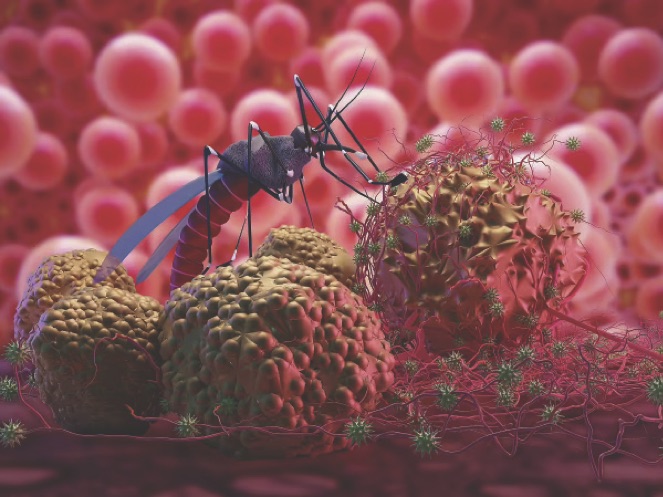
As Nigeria joins the rest of the world to mark the 2026 World Malaria Day, the country stands as a stark reminder of the challenge and a powerful symbol of what is at stake. Malaria has long been one of humanity’s most persistent and unequal battles, a disease that is both preventable and treatable, yet still claims hundreds of thousands of lives each year.
According to experts, malaria, which is caused by parasites transmitted through the bite of infected mosquitoes, thrives where poverty, climate and limited access to healthcare intersect. Nigeria, as a nation, suffers the heaviest malaria burdens in the world. In Nigeria, malaria is woven into daily life. It is the illness that keeps children out of school, drains household incomes and fills hospital wards, especially during the rainy season when mosquito populations surge. For many families, it is not a distant threat but a recurring reality.
Studies show that, across rural communities and densely populated urban areas alike, the disease disproportionately affects young children and pregnant women, exposing deep gaps in prevention, diagnosis, and treatment. Yet Nigeria’s story is also Africa’s story.
Commemorated every year on April 25, with this year’s theme: “Driven to End Malaria: Now We Can. Now We Must,” experts say eliminating malaria isn’t just a health issue, it’s essential for achieving multiple Sustainable Development Goals (SDGs). Progress against malaria accelerates progress across poverty reduction, education, and economic development.
The theme, according to the World Health Organisation (WHO), is a global call to action to encourage countries and communities to invest more in malaria prevention and treatment, strengthen health systems and work together to eliminate malaria within our lifetime.
Across sub-Saharan Africa, WHO disclosed that malaria remains both a public health crisis and a development challenge. Countries have made measurable progress over the past two decades, scaling up insecticide-treated nets, improving diagnostics and expanding access to effective medicines. Institutions such as WHO have supported coordinated global responses, while partnerships have driven innovation in tools once thought out of reach.
Other News
“Today however, the fight against malaria stands at a critical turning point. Scientific advances, including new vaccines like RTS, S/AS01 and R21/Matrix-M signal a shift from control to the possibility of eventual elimination. These breakthroughs embody the promise captured in the 2026 theme of World Malaria Day: “Driven to End Malaria: Now We Can. Now We Must.”
“Now We Can” reflects a moment of unprecedented capability. The tools to dramatically reduce and potentially eliminate malaria are no longer theoretical. They exist in laboratories, clinics and, increasingly, in communities. But “Now We Must” underscores a harder truth: progress is not guaranteed. Funding gaps, emerging drug and insecticide resistance and uneven access to healthcare threaten to stall or even reverse gains.
“For Nigeria and the wider African continent, this dual message carries particular urgency. The question is no longer only whether malaria can be defeated but whether the world and the countries most affected will act decisively enough to make it happen.
“Ending malaria will require more than scientific innovation; it will demand political will, sustained investment and a commitment to equity that ensures life-saving tools reach those who need them most,” WHO stated.
Recently, WHO confirmed that 47 countries and one territory have achieved malaria-free certification, marking a significant milestone in the global fight against one of the world’s most persistent infectious diseases.
According to WHO guidelines, a country earns malaria-free status only after demonstrating zero indigenous transmission of the disease for at least three consecutive years. This achievement must also be supported by a robust surveillance system capable of rapidly detecting and responding to any imported cases.
While progress has been notable, many countries, particularly in sub-Saharan Africa, are still working toward elimination. Health officials say the growing list of malaria-free nations offers a road map and optimism that global eradication, though challenging, is achievable.
The WHO continues to support countries in strengthening health systems and scaling up interventions, aiming to reduce malaria cases and deaths worldwide while expanding the list of certified nations in the years ahead.