Follow Us on Google
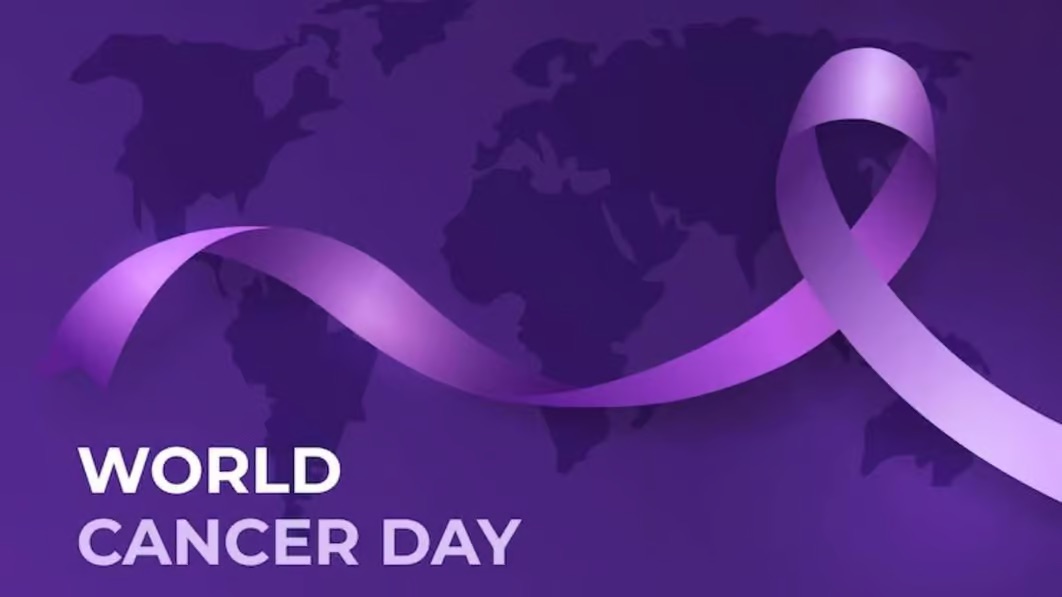
As Nigeria marked World Cancer Day on February 4, the country was forced once again to confront a sobering reality. An estimated 269,109 Nigerians lived with cancer over a five-year period between 2018 and 2022, according to the latest Global Cancer Observatory (GLOBOCAN) data. Each year, roughly 127,000 new cancer cases are recorded, while in 2022 alone, about 79,542 Nigerians died from the disease—32,905 men and 46,637 women. These numbers are not just statistics; they are lives lost, families shattered, and a health system under immense strain.
Even more troubling are projections that suggest the burden will worsen. Ahead of official figures, more than 32,000 new breast cancer cases were projected for 2025. Breast cancer already accounts for one of the highest cancer-related death rates among Nigerian women. This projection underscores an urgent truth: Nigeria cannot afford complacency in the face of a growing cancer crisis. This year’s Cancer Day theme is “United by Unique.”
Encouragingly, there has been growing recognition of this threat. Abidemi Omonisi, president of the Nigerian Cancer Society (NCS), has rightly called on Nigerians to stand together to reduce the burden of cancer and improve survival outcomes. His call is timely. Cancer is not merely a medical problem; it is a social, economic, and governance challenge that demands collective action.
To its credit, the Nigerian government has taken some notable steps in recent years. Public awareness about cancer has improved. Cancer registries have expanded. The establishment of the National Institute for Cancer Research and Treatment (NICRAT), the creation of the National Cancer Health Fund, and the development of an updated National Cancer Control Plan are all salutary developments. These initiatives signal intent and provide a framework for coordinated action.
However, intent without execution is hollow. Despite these gains, grave challenges persist, threatening to undermine progress. Nigeria’s cancer care system remains dangerously under-resourced. With a population estimated at about 237 million, the country reportedly has less than 100 oncologists. This is not merely inadequate; it is alarming.
The scarcity extends beyond oncologists to radiologists, pathologists, laboratory scientists, pharmacists, oncology nurses, dietitians, nutritionists, therapists, and other essential caregivers. The situation is worsened by the ongoing “japa” syndrome, as skilled health professionals leave the country in search of better working conditions abroad. Access to cancer care is another major fault line. Diagnosis often comes late, when the disease is already advanced, largely due to limited screening services and weak referral systems.
Treatment costs are prohibitive for most Nigerians, forcing families to exhaust life savings or abandon care altogether. In a country where the many citizens pay out-of-pocket for healthcare, a cancer diagnosis is frequently a financial death sentence. This needn’t be.
Other News
The rising cancer burden is also driven by broader structural factors: population growth, urbanisation, changing lifestyles, increased tobacco and alcohol use, poor diets, and limited preventive services. Early detection remains the exception rather than the rule. These realities demand a far more robust and better-funded health response.
Yet, funding remains a glaring weakness. In the 2026 federal budget estimates, ₦2.48 trillion was proposed for the health ministry—about 4.2 percent of the ₦58 trillion total budget. Though an improvement on earlier provisions, it still falls far short of the 15 percent commitment Nigeria made under the Abuja Declaration and below the World Health Organisation’s recommended threshold for health spending. For a country grappling with infectious diseases, rising non-communicable diseases like cancer, and a fragile health workforce, this level of investment is simply insufficient.
Even more concerning is that budgetary allocations often fail to translate into real spending. Proposing figures is one thing; releasing funds for actual deployment is another. Health Minister Mohammed Pate recently revealed that poor implementation of the ministry’s 2025 capital budget was due to inadequate cash releases, with only ₦36 million received out of the ₦218 billion appropriated for the year. This is not just a technical failure; it is a moral one. A health system cannot function on paper promises.
Health is too important to be trifled with. A nation that neglects the health of its people mortgages its future. Government must curb profligacy and reorder its priorities. Excessive salaries, allowances, and perks for public officials must give way to sustained investment in health infrastructure, human resources, and essential medicines. The contrast between elite comfort and public health neglect is neither sustainable nor just.
Industrial actions in the health sector further expose systemic fragility. Health workers under JOHESU only recently called off their strike; resident doctors had also downed tools before them. Strikes disrupt care, delay diagnoses, and cost lives, especially for cancer patients who cannot afford interruptions in treatment.
To win the war against cancer, the broader health crisis must end. This will require more than commemorative days and policy documents. It will require political will, sustained funding, accountability, and a national consensus that health is non-negotiable. The government must lead, but it cannot act alone. The private sector, civil society, development partners, communities, and individuals all have roles to play.