Follow Us on Google
From Charity Nwakaudu, Abuja
Women in Mining Africa (WiM-Africa) has stepped up its continental drive to prepare children and young people for responsible participation in Africa’s future minerals and natural resources economy.
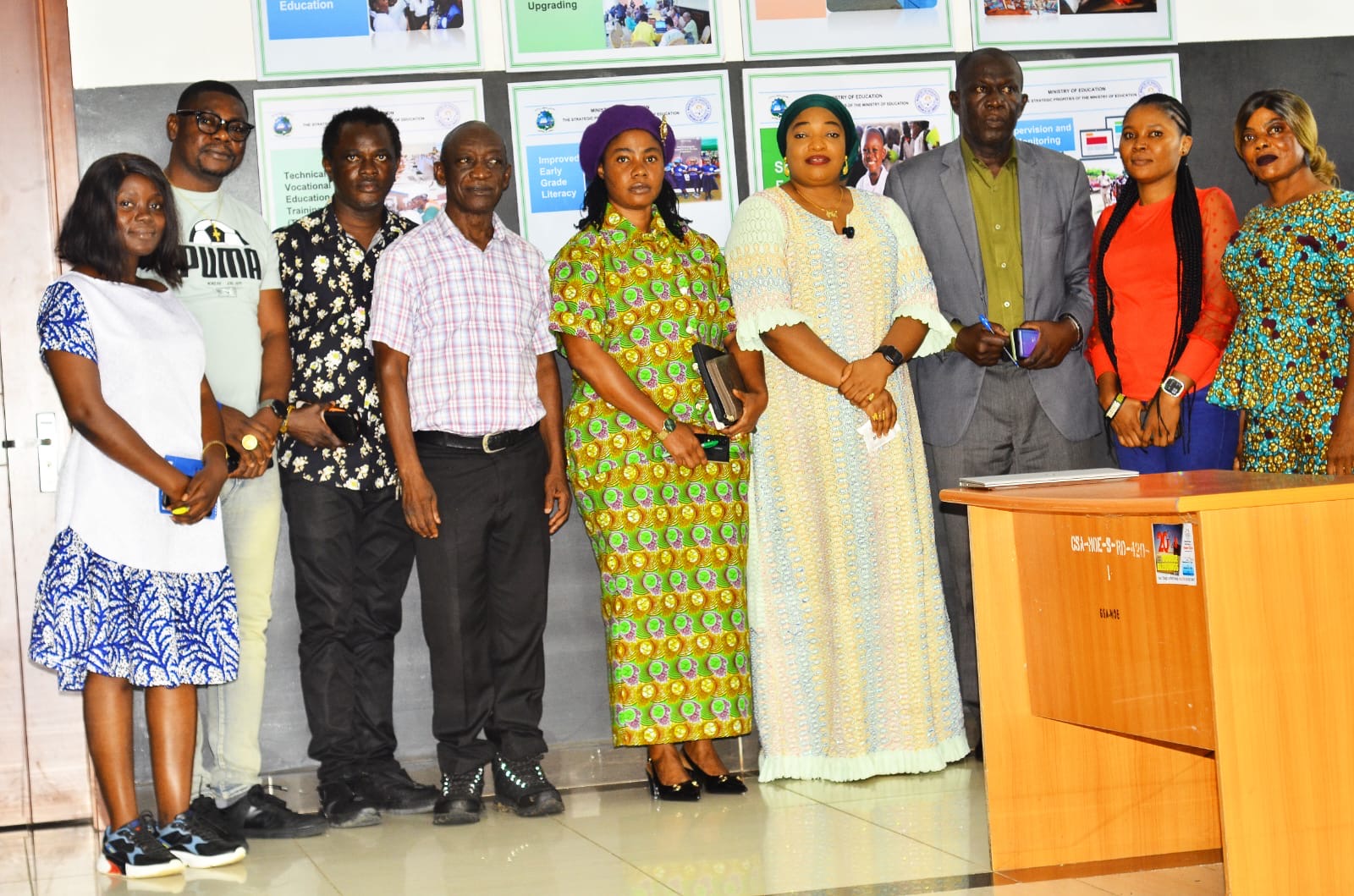
The organisation reaffirmed the commitment under its Action Plan 2030 during a courtesy engagement with Liberia’s Ministry of Education, where it presented its NextGen programmes and explored opportunities for collaboration.
The initiative is designed to ensure that Africa’s minerals transformation goes beyond extraction, investment and exports to include deliberate investment in children, teachers, STEM education, TVET, girls’ leadership, environmental responsibility and human capital development.
WiM-Africa’s two flagship programmes are the Future Minerals Leaders Club, for primary school pupils aged 8 to 13, and the NextGen Mining & Leadership Academy, targeting secondary school and TVET-linked students aged 13 to 20.
The Future Minerals Leaders Club introduces children to natural resources, minerals, environmental responsibility, safety, leadership, teamwork and responsible citizenship through age-appropriate school activities.
The NextGen Mining & Leadership Academy focuses on responsible mining, geoscience, ESG, mine safety, gender inclusion, leadership, communication, mineral value chains, entrepreneurship, career readiness and mentorship.
Executive Director of WiM-Africa, Dr Comfort Asokoro-Ogaji, said Africa must begin preparing its future minerals workforce long before young people enter universities, technical institutions or the labour market.
«“The future of Africa’s mineral and natural resource economy will not be determined only by what is in the ground. It will be determined by what is built in the minds of children and young people today.”»
She described Ministries of Education across Africa as central to building the continent’s future minerals leadership pipeline.
“Ministry of Education is not peripheral to mining transformation. It is foundational. Africa must begin earlier — from primary school, secondary school, TVET, mentorship, school clubs and structured leadership exposure,” she said.
According to WiM-Africa, the Liberia engagement is part of its wider Africa-wide implementation drive and provides an opportunity to adapt the programmes to Liberia’s education priorities, school structures, TVET pathways and natural resource development needs.
The organisation said the programmes are designed to complement, rather than disrupt, existing national education priorities. They can be integrated into school clubs, STEM promotion, TVET readiness, girls’ education, career guidance, environmental awareness and education-to-employment programmes.
WiM-Africa said its NextGen agenda aligns with the Africa Mining Vision and the continent’s broader drive for value addition, responsible mineral governance, local beneficiation, women and youth inclusion, green skills and sustainable development.
It has developed implementation manuals, session modules, facilitator guides, reporting tools, country adaptation templates and results frameworks for the programmes.
The materials are being made available as free open-source resources to Ministries of Education, government agencies, schools, TVET institutions, women-in-mining organisations, mining host communities and other partners across Africa.
The organisation also pledged technical support through its pool of expert volunteers, including virtual training-of-trainers sessions for teachers, school focal persons, volunteers and implementing teams where funding is unavailable.
WiM-Africa called on Ministries of Education, government agencies, schools, TVET institutions and mining host communities across Africa to join the initiative and help build a pipeline of informed, skilled and responsible young Africans for the continent’s minerals future.
It also urged development finance institutions, foundations, mining companies, education partners and development agencies to support national adaptation, pilot projects and the scale-up of the NextGen programmes.
WiM-Africa stressed that every African child, whether from a mineral-bearing community or not, deserves to understand the value of natural resources, environmental stewardship and the opportunities available across the continent’s mineral value chains.