Follow Us on Google
From Juliana Taiwo-Obalonye, Abuja
Abuja’s ambitious plan to become a smart city is gradually taking shape under the strategic leadership of the Federal Capital Territory (FCT), according to Minister Nyesom Wike.
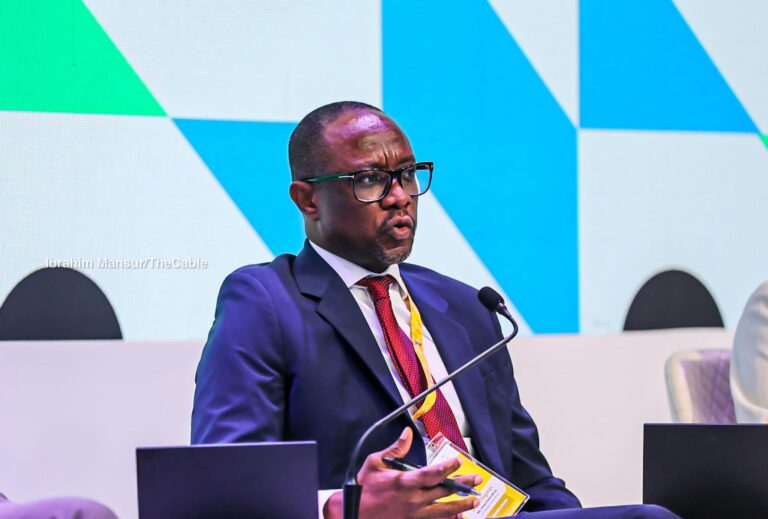
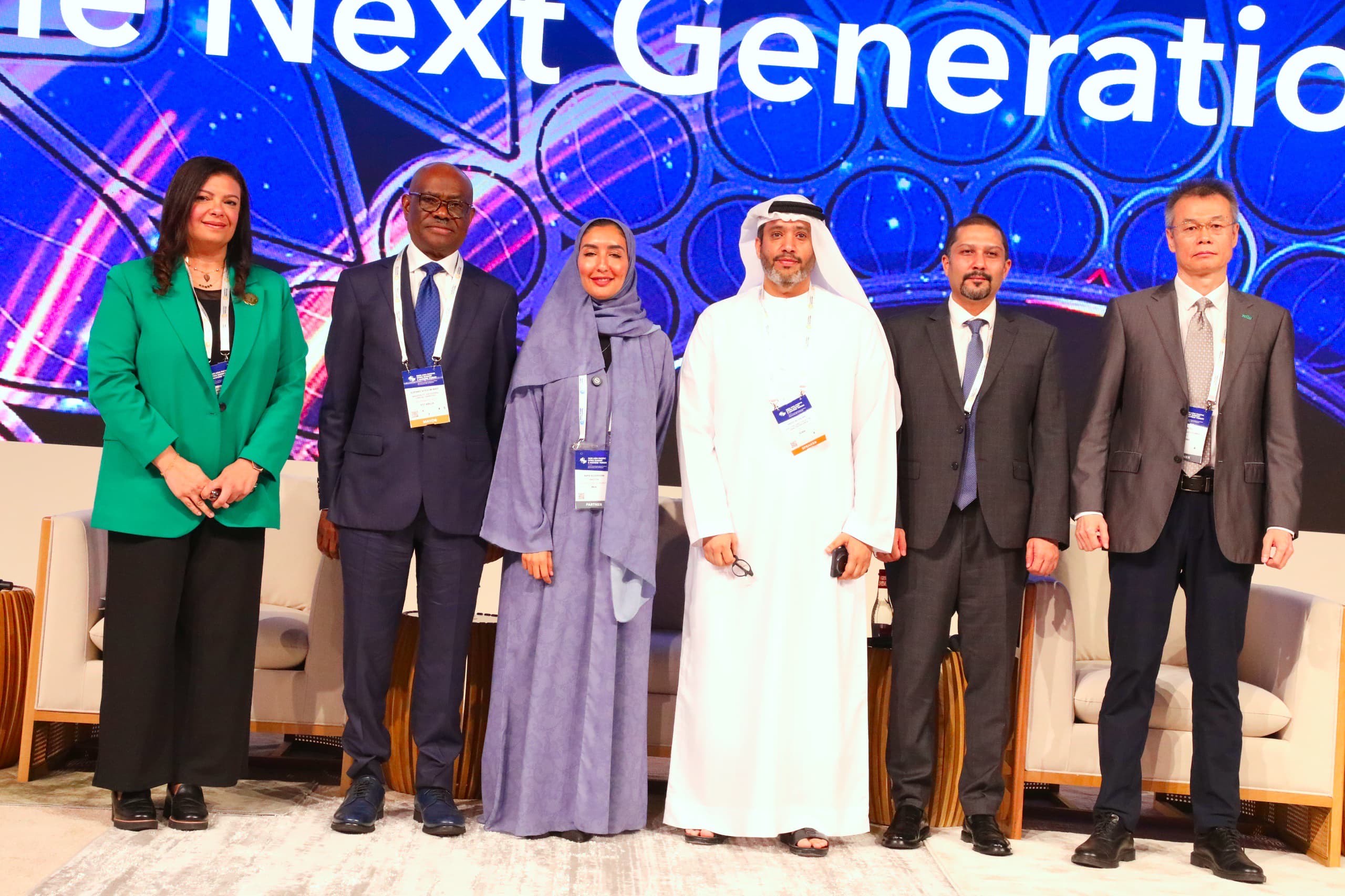
Speaking at the 2025 Asia Pacific Cities Summit and Mayors’ Forum in Dubai, Wike highlighted that the city’s “Smart City Vision” is driven by targeted investments across five critical areas: Urban Mobility, Sustainability, Public Safety, Digital Governance, and Economic Empowerment.
He detailed that Abuja is actively engaging with international agencies and private sector partners to advance its vision. Among these collaborations are projects with the Japan International Cooperation Agency (JICA) on Smart Water Metering, Chinese support for intelligent traffic lights, and ongoing developments such as the Abuja City Walk and the Abuja Industrial Park.
“These initiatives reflect Abuja’s commitment to leveraging public-private partnerships and city-to-city exchanges to accelerate innovation,” he declared.
In a statement issued through the Senior Special Assistant on Public Communications and Social Media, Lere Olayinka, Wike highlighted that Abuja’s development is rooted in a purposeful and constantly evolving master plan, aimed at delivering efficient service to its citizens.
Wike explained that Nigeria’s “Renewed Hope Agenda,” spearheaded by President Bola Ahmed Tinubu, is fueling the city’s strategic investments in key sectors. He described urban mobility as the expansion of transportation networks, intelligent traffic systems, and alternative public transport solutions designed to reduce congestion and improve accessibility.
Sustainability efforts focus on smart waste management, renewable energy adoption, and waste-to-wealth initiatives to promote a greener environment.
The minister also pointed out that public safety is being enhanced through the deployment of smart solar streetlights, CCTV surveillance, and rapid emergency response systems. Digital governance initiatives include platforms such as the FCT Call Centre and a digitized land registry aimed at fostering transparency, citizen engagement, and operational efficiency.
Other News
Economic empowerment, he noted, involves creating jobs and attracting technology firms by expanding Abuja’s digital economy.
Furthermore, Wike emphasized the importance of data in unlocking opportunities for Abuja’s youth, referencing Nigeria’s upcoming National Employment Database, which is being developed in partnership with global development organizations. “This system will help match skills with job opportunities, guide targeted training, and support entrepreneurship programs,” he said.
Wike reaffirmed that Abuja’s transformation into a smart and sustainable city extends beyond technology. “It is about placing citizens at the center of development—building a safer, more inclusive, and prosperous environment for all,” he stated.
The forum was moderated by Dr. Sukaina Al Nasrawi from the United Nations Economic and Social Commission for Western Asia (UNESCWA).
The minister was accompanied by top officials, including Benedict Daudu, Richard Dauda, Mukhtar Galadima, Engr Chuks Udeh, and Sani Musa Daura, exemplifying the city’s collective commitment to its visionary goals.
Prior to his participation at the summit, Wike met with Reem bint Ebrahim Al Hashimy, the UAE Minister of State for International Cooperation, who also oversees the Political Affairs Office of the Vice President and Prime Minister of the UAE and Ruler of Dubai, His Highness Sheikh Mohammed bin Rashid Al Maktoum.
The meetings underscored the strong diplomatic relations and shared vision for urban development.
On the sidelines of the forum, Wike joined other global city leaders and mayors to underscore Abuja’s bold steps toward becoming a world-class smart city.