Follow Us on Google


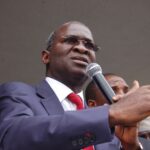
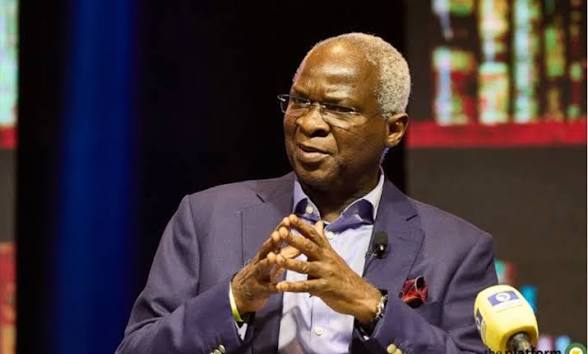
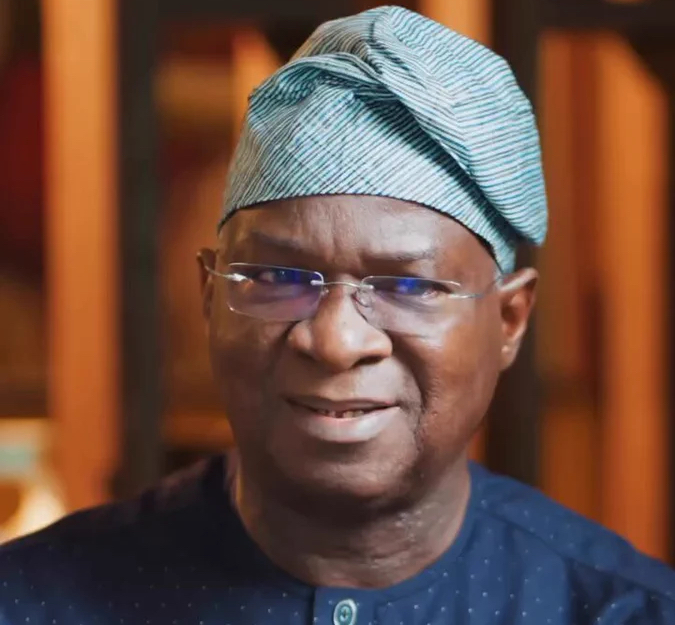
Former Lagos State Governor, Babatunde Fashola, has urged Nigerians to consider the policies introduced by President Bola Tinubu’s administration before deciding whether to support a change of government in the 2027 general election.
Fashola argued that the country should not abandon the ongoing reform process without examining what opposition parties are offering as an alternative.
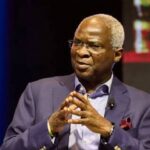
He made the remarks on Tuesday during an appearance on Channels Television’s Politics Today, where he defended Tinubu’s performance and called for continuity in the implementation of the administration’s policies.
The former Minister of Works and Housing pointed to the reviewed minimum wage, the Nigerian Education Loan Fund (NELFUND), tax reforms, stamp duty waivers on lease agreements and the introduction of compressed natural gas (CNG) as some of the government’s interventions.
He acknowledged that the impact of some policies was not yet fully evident but maintained that their implementation was gradually progressing.
“We are seeing the roll-out slowly, and in the fullness of time, you will see the impacts,” he said.
Fashola questioned what opposition parties intended to offer that would justify abandoning the current reform programme.
“What are the other parties offering that is different, that is better, that is compelling as a reason to interrupt the process of reform, growth, and restructuring that is already underway?” he asked.
He maintained that Nigerians should assess the alternatives being presented by political parties rather than reject the government’s policies without considering their potential outcomes.
“These are the compelling reasons why we must not abort this journey mid-term and exchange it for uncertain promises without assurances,” Fashola added.
The former governor also acknowledged the economic difficulties facing Nigerians, but argued that the administration had introduced measures intended to ease pressure on households.
He cited NELFUND as an example of a programme designed to support families with the cost of educating their children.
According to him, the government’s interventions should be assessed alongside the resources and time required to translate policy decisions into tangible results.