Follow Us on Google
By Lawrence Agbo
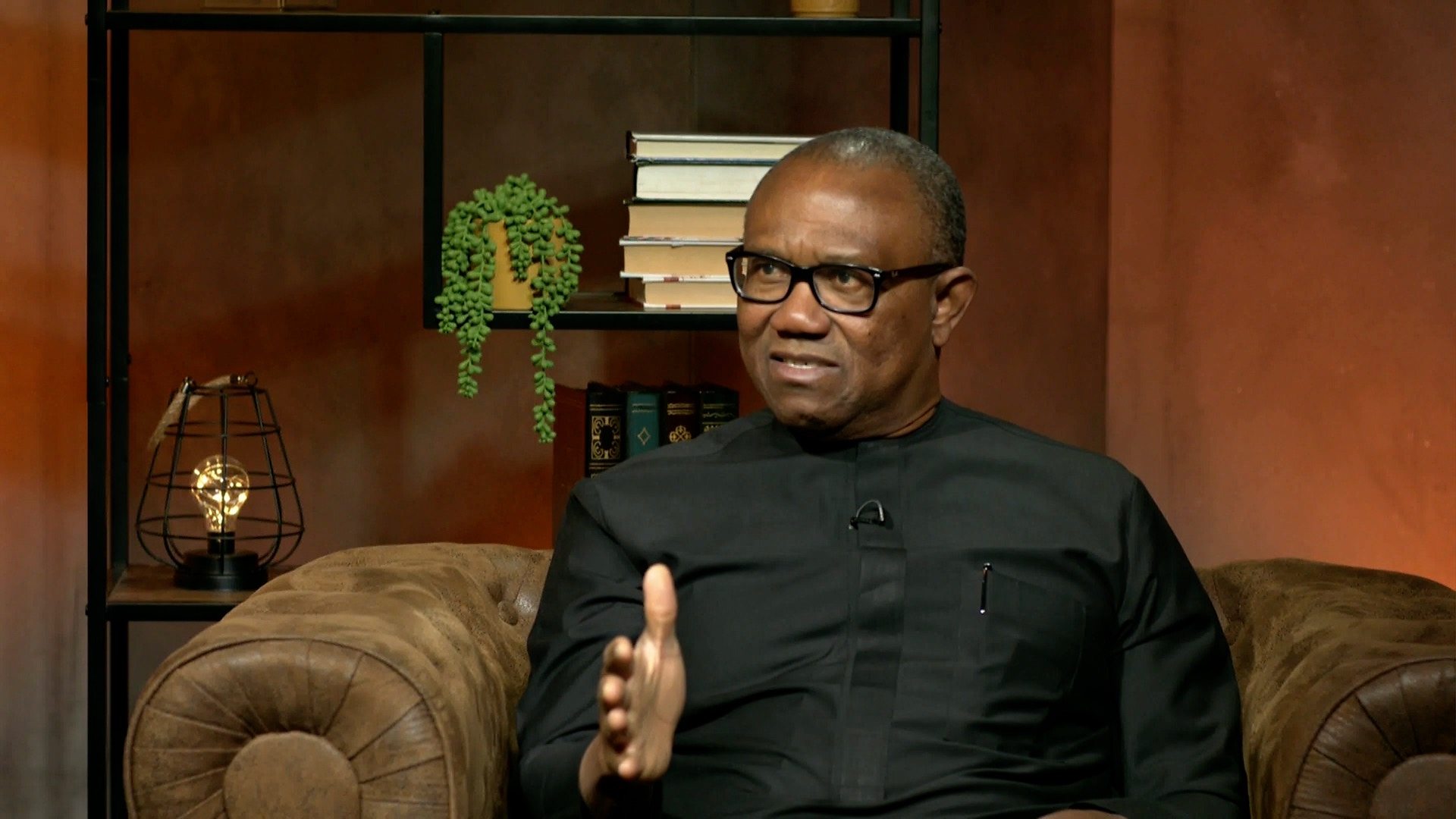
Former Labour Party presidential candidate, Peter Obi, has urged that the implementation of state police be delayed until after the 2027 general elections, warning that the new policing structure could be manipulated for political purposes if introduced in the current climate.
Obi, who reacted to the recent passage of the State Police Bill by the National Assembly, said while he supports decentralised policing in principle, the manner in which the legislation is being advanced raises serious concerns.
Writing on his X account on Friday, the former Anambra State governor argued that Nigeria’s security challenges require a policing system that is closer to communities and local governments, rather than one that is heavily centralised.
However, he maintained that the legislative process leading to the bill’s passage appeared rushed and lacked adequate public engagement.
“The recent passage of the State Police Bill by the National Assembly marks a significant legislative milestone in addressing a long-standing demand of the Nigerian people,” Obi said.
“For years, many of us, alongside security experts and regional stakeholders, have consistently argued that a highly centralised policing structure is fundamentally unsuitable for a country as vast, diverse, and complex as Nigeria.
“However, the legislative and constitutional implementation appears shaky and raises legitimate concerns.”
He criticised what he described as insufficient community participation in the process and questioned the absence of a public hearing on such a sensitive national issue.
“The process should involve greater community participation. Policing should be more visible at the local government and community levels,” he said.
Other News
“The mechanism for passing the law appears highly disorganised, with no public hearing on such a sensitive issue.
“Indeed, the rush to enact the law without proper legislative procedures fuels suspicion among many observers about the political motives behind it.”
Obi said his major worry was not logistics but the possibility that governors could use state police forces against political opponents.
“There is a widespread, justifiable fear that state police forces could become instruments in the hands of governors,” he stated.
“The suspicion is that a state-controlled police force could be weaponised to suppress political rivals, disrupt opposition rallies, and manipulate elections.”
To prevent abuse, Obi called for strong safeguards, including independent state-level police oversight institutions insulated from executive control.
“For state policing to evolve from a risky political gamble into a genuine security solution, the law must not only permit states to establish police forces but also clearly provide for independent oversight bodies, such as a state-level Police Service Commission that is entirely free from executive influence,” he said.
He added that many Nigerians remain unconvinced that the current administration would resist the temptation to use state policing to influence the 2027 elections indirectly.
“Going by what Nigerians have seen so far, there is no guarantee that this administration can resist the temptation to take advantage of state policing to influence the 2027 general election by proxy,” Obi said.
“In view of that possibility and the danger it poses to the polity, it is necessary to defer its implementation until after the general election. A New Nigeria is Possible.”