Follow Us on Google

‘Being recognised among Nigerians making impact globally brings priceless joy to me’
By Juliana Taiwo-Obalonye
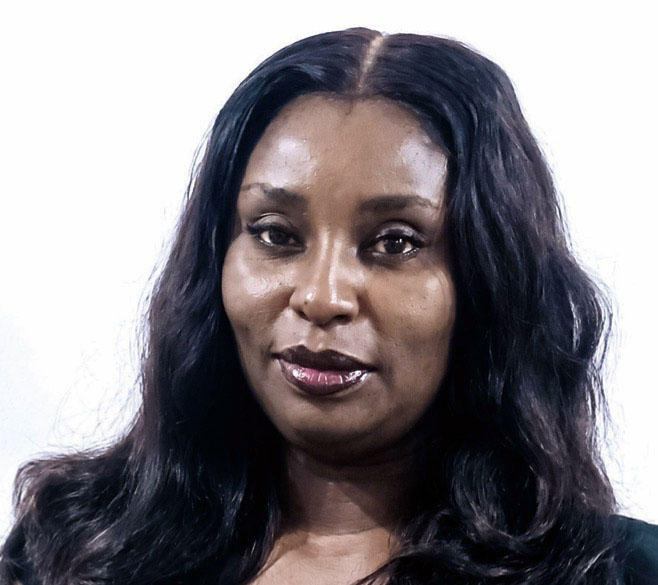
Justina Chioma Ohaa, fondly known as Barrister Tina, is a respected legal expert, entrepreneur, and humanitarian with influence in Nigeria and abroad. She practises law in Lagos and leads CHIMOC Services Limited in Ireland, while founding and directing the Tynachyomaa Charitable Foundation in Nigeria since 2018. Her foundation tackles key issues in education, healthcare, agriculture, and poverty alleviation by offering scholarships, medical outreach, farming support, and aid to vulnerable groups, especially during the COVID-19 pandemic.
How has your foundation helped tackle education, healthcare, and poverty challenges in Imo State?
Nigeria faces significant challenges in education, healthcare, and poverty alleviation, and my foundation is deeply committed to addressing these issues, particularly in Imo State, through targeted humanitarian interventions.
In the area of education, our foundation has prioritised increasing access to quality learning by providing free education through an extensive Scholarship Scheme. Last year, we actively engaged with several institutions, including Emmanuel College, Owerri, City Secondary School, Owerri, and Anara Community Secondary School, to identify and recruit deserving students into this programme. By supporting these young minds financially, we aim to ease the burden on their families and empower the students to complete their education and unlock better opportunities for their future.
Healthcare is another critical focus of our efforts. We have organised multiple medical outreach programmes aimed at extending essential medical services to rural and underserved communities in Imo State. The most recent outreach took place last year at Umuehie Anara community in Isiala Mbano LGA. During this event, over 500 indigent individuals received comprehensive medical care provided by a team of medical professionals drawn from various specialties. In addition to clinical consultations and treatments, we distributed free medications and prescription glasses, ensuring that beneficiaries had not only immediate relief but also tools for improved health and well-being.
Our commitment also extends to the most vulnerable populations, such as widows, orphans, and the economically disadvantaged. Recognising their heightened vulnerability, especially during the COVID-19 pandemic, our foundation consistently distributed palliatives and relief materials to rural dwellers. These efforts helped to cushion the adverse effects of the pandemic, providing food and essentials that many otherwise could not access.
Through these multi-dimensional humanitarian initiatives, our foundation is making a sustained impact in improving education, healthcare access, and poverty alleviation in Imo State, thereby contributing to the broader development and empowerment of the communities we serve.
As a legal professional and entrepreneur operating in both Nigeria and Ireland, how do you leverage your expertise to create opportunities and drive meaningful change within Nigerian communities?
As a legal professional and entrepreneur with active practices in both Nigeria and Ireland, I strategically leverage my expertise to create impactful opportunities and drive meaningful change, particularly within Nigerian communities. In Nigeria, where access to justice remains a significant challenge for many, I am deeply committed to using my legal knowledge to bridge the gap between the underserved and the legal system.
One of the most pressing issues I address is the plight of individuals detained for extended periods without trial due to the absence of legal representation. This situation often leaves vulnerable people trapped in the justice system, unable to assert their rights or receive fair treatment. To combat this, my foundation provides pro bono legal aid to these detainees, ensuring they have competent legal advocates to represent them in court and expedite their cases.
Beyond direct legal intervention, I also work on educating communities about their legal rights and the justice processes to empower them to seek redress and engage with the system confidently. Through partnerships with local organisations and stakeholders, I develop programmes and initiatives aimed at strengthening legal literacy and supporting reform efforts that promote transparency, fairness, and efficiency within the Nigerian judiciary.
In these ways, I combine my legal expertise and entrepreneurial resources to expand access to justice, protect the rights of marginalised individuals, and contribute to systemic change that fosters equity and social justice in Nigeria.
Agriculture is vital to Nigeria’s economy, yet local farmers face many challenges. How has your foundation’s support through cash crops and fertilizer distribution helped improve food security and empower farmers economically?
Agriculture plays a crucial role in Nigeria’s economy, providing livelihoods for a large percentage of the population and contributing significantly to national GDP. However, local farmers often face persistent challenges such as limited access to quality inputs, inadequate funding, poor infrastructure, and fluctuating market prices, all of which hinder their productivity and economic stability.
Our foundation has actively addressed these barriers by implementing targeted support programmes focused on cash crop cultivation and the distribution of fertilisers. By supplying farmers with essential inputs like high-quality seeds and fertilisers, we have helped increase crop yields and improve the overall quality of agricultural produce. This support not only boosts food production, which is essential for national food security, but also enhances the incomes of smallholder farmers, empowering them economically and enabling more sustainable livelihoods.
Beyond direct agricultural assistance, our foundation’s comprehensive approach includes capacity-building initiatives. We provide training on modern farming techniques and best practices to ensure that farmers can maximize the benefits of the resources provided. This helps them adopt more efficient and sustainable agricultural methods, leading to long-term improvements in productivity and environmental stewardship.
In addition to agricultural support, our foundation runs a scholarship scheme and vocational training programmes aimed at youth empowerment and community development. To date, over ten students have successfully graduated from university through our scholarship programme, with many securing employment across various sectors. Meanwhile, beneficiaries of our vocational training have received necessary equipment and mentorship to start their own businesses.
These combined interventions serve a dual purpose: advancing food security and agricultural productivity while also addressing socio-economic challenges such as youth unemployment and crime by providing alternatives through education and entrepreneurship. By creating these opportunities, we not only help individuals uplift themselves economically but also contribute to social stability, reducing the number of youths vulnerable to street life and criminal activities. The impact has been significant, fostering empowered communities that are better positioned for sustained growth and development.
The distribution of fertilizers and cash crops to rural farmers has significantly enhanced food production in these communities, thereby strengthening food security and ensuring a more reliable supply of nutritious food at the local level.
Nigeria’s healthcare system has faced numerous strains, especially during the COVID-19 pandemic. What inspired your medical outreaches, and what difference have they made in underserved communities?
Nigeria’s healthcare system has long faced significant challenges, which were further exposed and intensified during the COVID-19 pandemic. The pandemic highlighted glaring gaps in healthcare access, infrastructure, and public awareness, especially in underserved and rural communities. Witnessing these difficulties abroad, I saw firsthand how coordinated efforts by government bodies and non-governmental organisations helped mitigate the impact of the pandemic on vulnerable populations through widespread medical interventions, education, and resource mobilization.
This experience inspired me to launch medical outreach programmes aimed specifically at reaching rural and underserved communities in Nigeria, where healthcare resources are often scarce and people are disproportionately affected by preventable diseases and limited health education. Recognising that rural dwellers were particularly vulnerable, with little access to testing, treatment, and preventive care, I felt a strong responsibility to bring similar life-saving interventions to these areas.
Our medical outreaches have made a tangible difference by providing essential healthcare services directly within these communities. Through free medical screenings, distribution of medications, health education campaigns, and COVID-19 awareness initiatives, we have helped improve early detection and treatment of illnesses, raised awareness on disease prevention, and reduced barriers to healthcare access. These efforts have empowered community members to take proactive steps toward their health, thereby reducing disease burden and improving overall well-being.
Moreover, these outreach programmes act as vital platforms to strengthen trust between healthcare providers and rural populations, encouraging more people to seek care early and regularly. The interventions have also highlighted the need for continued investment in rural health infrastructure and have inspired partnerships with local stakeholders to sustain improvements in health outcomes over the long term.
In the context of Nigeria’s ongoing economic challenges, how have your poverty alleviation programmes—such as direct cash donations and support for widows and orphans—helped the most vulnerable?
My foundation has prioritised supporting the most vulnerable populations through targeted poverty alleviation programmes. Recognising that indigent individuals and families often bear the harshest burdens—especially widows and orphans who may lack stable income or social support—we have implemented comprehensive interventions designed to provide immediate relief and foster longer-term resilience.
Other News
One of our key strategies has been the regular distribution of palliatives and direct cash donations to those most in need. These interventions help alleviate the daily hardships faced by vulnerable households, enabling them to meet basic needs such as food, shelter, and healthcare during difficult economic periods. By providing cash support, we empower recipients with the flexibility to address their most urgent personal or family needs, reducing the risk of falling deeper into poverty.
In addition to financial assistance, our foundation has consistently conducted medical outreaches targeting indigent communities, particularly those unable to access formal medical facilities due to financial, geographic, or infrastructural barriers. These outreaches offer free health screenings, essential medications, and preventive care services, improving the health outcomes of vulnerable populations who would otherwise go without care.
Together, these poverty alleviation efforts have not only provided critical immediate support but have also helped reduce the impact of systemic economic hardships on disadvantaged groups. By addressing both economic and health vulnerabilities, our programmes contribute to building stronger, more resilient communities able to better cope with ongoing and future challenges.
How do you balance your demanding roles as a mother, wife, lawyer, entrepreneur, and community leader without compromising any, and what strategies support you in today’s challenging environment?
As a mother of five, all university-educated, I understand deeply the personal and societal value of investing in children’s development. I am proud that my children have grown into responsible adults, with three becoming doctors committed to caring for the vulnerable and strengthening community health. This journey has reinforced my belief that education is the key to building a thriving society. When children have access to quality education and support, they develop skills and values that benefit not only themselves but the entire community.
I firmly believe that equal educational opportunities for all children can transform sectors like health, economy, and governance, creating a fairer, stronger Nigeria. My own upbringing in a loving home, where my parents selflessly supported others in the community, inspired my humanitarian spirit. Their example of generosity and commitment to education shaped my values and continues to drive my work today in education, healthcare, and poverty alleviation—honouring their legacy by making a positive difference in many lives.
Entrepreneurship is crucial for national development. What advice can you offer to Nigerian women who aspire to professional success and impactful social leadership?
My advice to women aiming for professional success and impactful leadership is to embrace resilience wholeheartedly. Success is rarely a straight path; it often comes with setbacks and challenges that test one’s strength. Resilience—the ability to persist, adapt, and overcome—is essential for navigating these hurdles with courage and focus.
In Nigeria, resilience is part of our cultural DNA, seen in how many women rise above adversity with unwavering determination. To lead effectively, women must believe in their worth, stay committed to their goals, and learn from every challenge. Equally critical is a commitment to continuous growth through education, mentorship, and strong networks, which nurture resilience and open doors.
My new focus is establishing an agricultural vocational school to equip young people and farmers with practical skills in modern, mechanised farming. This school will teach the use and maintenance of advanced farming equipment, boosting productivity, efficiency, and sustainability. It also includes training in entrepreneurship and agribusiness, empowering graduates to build successful agricultural enterprises that generate jobs and drive economic growth. This holistic approach will help create a stronger, more prosperous, and resilient agricultural sector, especially for youth and rural communities.
How do you see your humanitarian work impacting illiteracy and poverty long-term, and what role does collective action by education-focused charities play in Nigeria’s future?
The long-term impact of my humanitarian interventions is measured by my unwavering vision of achieving the total and complete eradication of illiteracy and poverty within the communities I serve. Central to this vision is the firm belief that every child, regardless of their background or circumstance, must have unfettered access to quality education. Education is the foundation upon which individuals can build better lives, and it is a powerful catalyst for breaking the cycle of poverty. Thus, my efforts are aimed at ensuring that no child is left behind in this crucial journey toward personal and community development.
To truly gauge the effectiveness and sustainability of my work, I look at tangible outcomes such as improved school enrolment and graduation rates among scholarship beneficiaries, increased vocational skills among youths, and enhanced economic opportunities that arise from empowerment initiatives. Additionally, I pay close attention to how these interventions contribute to the broader social fabric by fostering self-reliance, reducing vulnerability, and enabling communities to thrive independently over time.
I also firmly believe that the impact of individual efforts is amplified when many come together in a shared mission. If more individuals united to create and support charitable organizations like mine, with a strong focus on education as the cornerstone of social progress, we could collectively unlock tremendous potential for Nigeria. Such collaboration would accelerate national development and bring us closer to the shared dream of a prosperous, equitable, and thriving country. Ultimately, the long-term success of these interventions will be reflected in generations of educated, empowered citizens who contribute meaningfully to the growth and stability of our nation.
Which of your roles in law, agriculture, business, and charity do you find hardest to balance with family life? And how have your experiences as a mother and wife shaped your professional and humanitarian work?
Balancing my varied roles in law, agriculture, business and charity alongside family life presents a complex but rewarding challenge. While each of these spheres demands a unique set of skills and attention, I do not find any particular aspect more difficult than the others. Instead, I recognize that each comes with its own distinct challenges and requires careful time management, dedication, and emotional strength. It is my resilience—especially during moments of pressure and competing demands—that has enabled me to navigate these responsibilities effectively and excel across all areas without compromising my commitment to family.
My experiences as a mother and wife have profoundly shaped and enriched both my professional career and humanitarian efforts. As a mother, I naturally extend my care beyond my own children to the young people supported through my scholarship programme, viewing them as part of my extended family. This mindset drives me to invest deeply in their growth and success, aiming to nurture the best qualities in them and empower them to reach their full potential. The maternal perspective brings a heightened level of empathy and responsibility to my philanthropic initiatives, reinforcing my dedication to creating lasting positive change.
Similarly, my role as a wife has fostered values of partnership, balance, and support that are essential in managing multiple demanding roles. The encouragement I receive at home provides the emotional foundation and stability needed to pursue challenging projects and leadership roles confidently. Having the unwavering support of my husband and children has been a key driver in my journey toward success, empowering me to push beyond limits and realise my goals. By thoughtfully setting clear boundaries between my various roles, I create a balance that allows each responsibility to thrive without stepping on the others, turning what could be conflicting demands into a seamless, fulfilling rhythm of life.
In essence, my family life and professional pursuits are interwoven, each inspiring and strengthening the other as I strive to lead a purposeful life dedicated to both personal fulfilment and impactful service to society.
How do you unwind and recharge amid Nigeria’s fast-paced, high-pressure environment? Do you have favourite travel destinations or cuisines that help you relax?
Despite the pressures that come with a busy schedule, I have learned the immense value of consciously creating moments to unwind and recharge, as this balance is essential for sustaining both my professional commitments and personal well-being.
While I have had the privilege of travelling and experiencing life in the Western world, I find that my heart always gravitates back to Nigeria when it comes to taking holidays and finding true relaxation. There is a unique comfort and deep sense of belonging that comes with being in one’s homeland—something no other destination can quite replicate. The rich cultural tapestry, familiar faces, vibrant landscapes, and the warmth of home make Nigeria my favourite escape, where I feel both grounded and revitalised.
During these times, I relish indulging in traditional Nigerian cuisine, which serves as a comforting reminder of my roots. I particularly enjoy dishes like bitter leaf soup paired with pounded yam, a flavourful combination that not only delights the palate but also connects me to generations of culinary heritage. Nigerian jollof rice is another favourite, celebrated for its rich spices and communal spirit, often enjoyed with family and friends during festive occasions or casual gatherings. These meals are more than just food; they are a celebration of culture and an essential part of my relaxation and joyful moments.
Travelling within Nigeria also allows me to explore the diverse landscapes and cultures of the country—from the serene beaches in Lagos to the historic sites in the northern regions, each location offers a refreshing change of scenery that helps me disconnect from daily stresses. This love for my country and its cuisines deeply enriches my life, reminding me of the importance of staying connected to one’s roots no matter how far life’s journey takes you.
You recently received the National Diaspora Merit Award, a prestigious recognition of Nigerians making global impact. What does this honour mean to you personally and professionally, and how does it inspire your continued work in Nigeria and abroad?
Receiving the 2025 National Diaspora Merit Award is a profoundly meaningful honour both personally and professionally. Being recognised among Nigerians who are making a significant impact globally fills me with overwhelming joy and a deep sense of validation. It affirms that the dedication, hard work, and sacrifices I have made in serving my community, both within the diaspora and back home in Nigeria, have not gone unnoticed. This recognition is a powerful encouragement that fuels my commitment to continue making a positive difference.
Professionally, the award strengthens my resolve to expand and deepen my initiatives aimed at education, poverty alleviation, and community development. It serves as a reminder of the responsibility that comes with such recognition—not just to maintain the level of effort but to innovate and reach even more people in need. In response to the inspiration drawn from this award, I have recently extended my scholarship programme to benefit 20 additional pupils from Ogba Primary School and Estate Primary School, both located in the Ogba/Ikeja Local Government Area of Lagos State. This scholarship support covers their education from secondary school through to tertiary institutions, opening doors to higher learning and brighter futures.
Furthermore, the award reinforces my belief in the power of the diaspora to contribute meaningfully to Nigeria’s development. It encourages me to continue bridging efforts between the diaspora and local communities, leveraging resources, knowledge, and networks to drive sustainable change. Ultimately, this recognition is not just a personal milestone but a call to action—motivating me to do more, educate more, and create greater opportunities for those I serve, uplifting lives both at home and abroad