Follow Us on Google

Digital payments dominate the conversation, but recent data tells a more nuanced story. Cash has not disappeared as many predictions suggested and, for a significant portion of consumers, it’s even becoming popular again. The motivations for that are varied, from worries about privacy to budgeting needs. Recent U.S. data shows that cash use has stabilised after years of decline.
Why Cash Is Becoming More Attractive Again
As reported by the Federal Reserve’s 2026 Diary of Consumer Payment Choices, consumers continue to make payments in cash in one out of seven transactions, and 90% of consumers intend to use it in the future. Cash use has remained relatively stable over the past three years after a longer-term decline.
Main Reasons People Prefer Cash
Several practical and psychological factors keep cash relevant even as digital options multiply. Some are about control and habit, while others come down to trust or simple reliability:
Sometimes the reasons for choosing cash are psychological: the pain of paying or simple fatigue from managing endless abstract numbers. A solution is third-party analytics and spending categorization, a method that has already proven effective across banking and various other sectors. For instance, Slotozilla readers rely on experts to review and rank online casino bonuses and use their ready-made analysis. Yet, this approach does not work for everyone, and a significant number of consumers continue to prefer physical cash.
Which Groups Use Cash Most Often
Usage is concentrated among certain demographics. Individuals above the age of 55 make 19 percent of their transactions in cash, which is the highest rate among all age groups. People living in rural areas conduct nine cash transactions a month, while those living in urban and suburban settings do six.
Cash vs Card Payments: Main Differences
The two payment methods differ in more than just how they look at checkout. A quick side-by-side makes the practical trade-offs easier to see:
|
Factor |
Cash |
Cards |
|
Transaction trail |
No automatic electronic transaction record |
Digital record |
|
Fees |
Usually none |
Interchange or processing fees may apply |
|
Works during outages |
Yes |
No |
|
Typical purchase size |
Under $25 (83% of cash use) |
Wider range, including large purchases |
There is no clear winner in all of these aspects. It will depend on what exactly each particular purchase requires, be it the settlement speed, traceability, or even the absence of any extra costs. Moreover, both have merchant limitations. An online casino like xon.bet accepts digital payments only. Meanwhile, a small grocery store can be cash-only. So, the choice may depend on external conditions rather than a payer’s preference.
Is Cash Really Better for Budgeting?
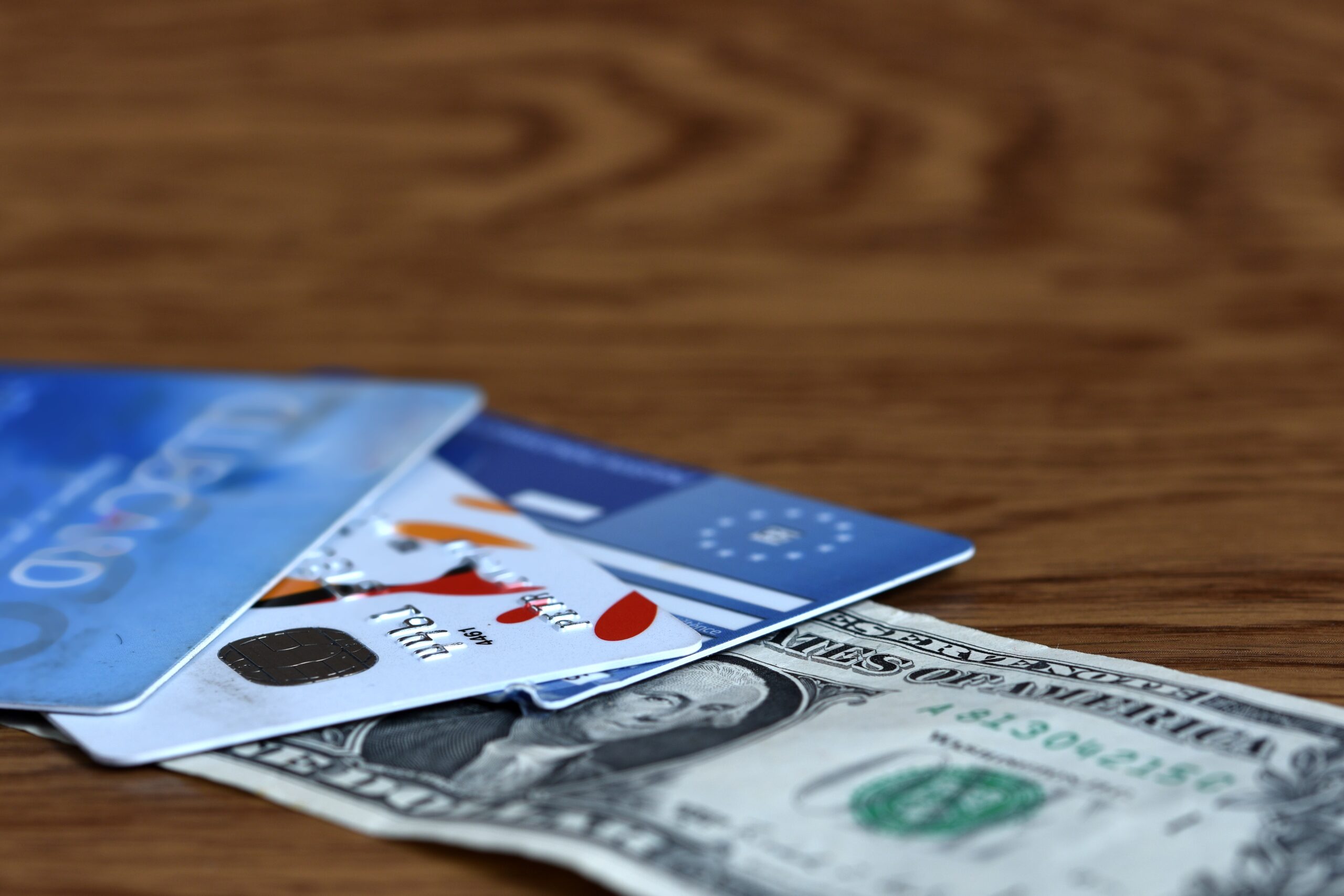
Some consumers find cash psychologically easier to use for budgeting because the remaining amount is physically visible. The fact that a person can see their cash supply diminish helps set a limit that a card balance does not. That explains why budgeting through cash remains popular.
How Inflation and Cost of Living Influence Payment Habits
During periods of budget pressure, some consumers may use fixed cash allocations to make spending limits more visible. Since the amount of cash you allocate to any given category is predetermined, it becomes easier to stay within the limit compared to using credit cards, where it is easy to overspend unnoticed.
Why Some Businesses Still Prefer Cash
Cash gives the merchant immediate possession of the payment without waiting for card settlement. Small businesses often opt for cash payments because of the lowered risk of facing chargebacks. This can matter especially for businesses operating on thin margins.
Could Cash Use Continue to Grow?
Given that 90% of consumers intend to keep using cash and its adoption has held steady for several consecutive years, a modest resurgence seems more plausible than a continued decline. The shift toward either genuine growth or continued stability likely depends on how inflation, banking trust, and digital fraud concerns evolve in the years ahead.