Follow Us on Google

Magnus Eze, Enugu
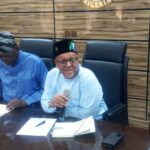
Mrs. Jane Molokwu, a lawyer, is Coordinator, National Commission for Refugees, Migrants and Internally Displaced Persons (NCFR), Enugu zonal office. He spoke about their operations in the South East and why Igbo despise Internally Displaced Persons (IDP) camps.
The world recently marked International Day of Refugees; how did you mark it in the South East?
The day is set aside to remember those ones that lost their lives, the ones that made contribution in national development in Nigeria and other countries; also for awareness for people to know that this type of people exist in the world and also to empathize with the refugees. We organised mainly enlightenment programmes.
Do we really have refugees in Enugu?
We’ve refugees in Enugu though we didn’t know we had refugees in there until recently. That’s why social media and the rest are good because we got a call few months ago from a Cameroonian; I knew the man before now, he told me that his people were in Enugu. So, I couldn’t believe it till he brought them to our place. The first set were telling us that they also have people in Nsukka, then we told them to bring them for registration in our office because some of them felt they’ll be arrested when they come there; so some of them are kind of into hiding. We tell them nobody is arresting you, the right thing to do is to locate our office since our office has the mandate of protecting refugees. When I say protecting refugees; I mean making sure that their rights is preserved. We ask them to come to our Enugu office to do registration which is the first stage and now as I speak to you, we have over 100 Cameroonian refugees in Enugu and over 50 in Anambra state for now. It’s Cross River that has majority of the Cameroonian refugees but that’s under the south-south zonal office. Fortunately, the UN is also there; there’s no UN office in Enugu, so, they work together with our staff there. In the case of refugees, they are in south-south though we were there last year because the Cameroonian refugees were so many that our office there and the staff weren’t enough, so, we were asked to go and help them out in registration and other things.
Do you have any form of follow up after documenting these people?
Yes; there is a form of follow up like I said, the first thing we do when they come is to interview and register them. We make sure they have ID card, so, that they can move freely in Nigeria; the other relief materials are secondary. We give you the ID card, so that anywhere you’re going; you present it, if police disturb, you can call us. Another thing we did was that, last year, my office went round the country doing empowerment for these people. We call them POCs (Persons of Concern); there are the migrants, the IDPs and the refugees. The refugees were also included; some were trained in soap making, photography; some in Calabar were trained on fishery, several empowerment trainings went round the country recently and we didn’t stop there. We gave them starter packs like the one we did in Enugu; the people we trained on soap making, we gave them all the equipment for soap making and the people we trained for photography, we gave them generators and cameras. We still follow up because what’s going on now is that we’ve already shared our questionnaires to them to know how they’re faring; the people that have started the business, the challenges they’re facing; we know how to take it up from there because some amount of money was given to them. So, the questionnaire that is going on now is to know if they’re facing challenges so that we’ll know where to come in and offer them further help.
So, you held training in Enugu for refugees?
Yes, the training was actually for returnees, then, we didn’t know we had refugees in Enugu. Many of them were returnees from Libya. It’s been ongoing, last year, last two years, even as I speak to you, they’re still returning from Libya- the NCFR, IOM, NAPTIP and other international organisations are intervening. The last one we held in Enugu, we trained 30 returnees. We don’t have returnees yet, but what my office in Lagos normally does when they have people; they’ll call us. They usually do it state by state. The last batch that we trained; when they came back, they called us, we now informed the state governor. We also informed SEMA too; they usually help them in empowerment and all that, we’ve not got any call lately.
What role does your office play in the issue of migration; illegal migration to be precise?
The office plays a strong role because we help in policy matters; that’s one of our mandates: protection of migrants, IDPs and refugees. We also do awareness; like the World Humanitarian Day coming up in August. We will use the opportunity to create more awareness to people to know and also we advocate that if you want to migrate; let it be in a formal, regular and more dignifying way, because we have cases of people that travelled through the desert and the Mediterranean Sea losing their lives. We know that the state of things in the country is not really okay but we hope that things will get better by God’s Grace. So, people embark on this deadly mission; some of them will tell you if I die, I die, if I get there things will get better. But from the testimonies of those returned from Libya and some other places, some of them will tell you even if it’s palm kernel that you’re eating in your house; that home is the best because of the gruesome experiences they had where they went to as some of them couldn’t reach where they were going; some reached and some of the girls went through sexual exploitation and all that. We always advocate if you want to travel, let it be in a regular, formal and more dignifying way.