Follow Us on Google

Angela Success
At a time more Nigerians are campaigning against female genital mutilation (FGM), also known as female circumcision, a gynecologist and obstetrician with the University of Port Harcourt Teaching Hospital, Dr. Avwebo Otoide, has highlighted the dangers and benefits it.
What is female genital mutilation?
It is a public health concern. This practice has a lot of cultural and political issues associated with it. For instance, the World Health Organisation had to change the terminology to female genital cutting. According to them, calling it cutting makes it easy for people to understand. Those who want to be politically correct have decided that the terminology should be female genital tract cuttings or female genital cutting. They removed the mutilation. According to them, it sounds biased to use mutilation. Mutilation gives the impression that it is a bad thing, but once you say cutting, you can have different arguments as why this is done.
Whether it is good or bad, it means anything done in the female genitalia is female tract genital mutilation. The female genitalia have certain structures: the clitoris, vulva, and the vestibule, where the urine outlet is. The clitoris, which is the bulb like thing at the top of the organ, is what, most times, are cut in Africa. Some other people, apart from cutting the clitoris, want to cut the lips. There are two, the bigger lips and the smaller ones. Those are the vulvas. Sometimes they remove the whole of the smaller ones in the middle or they even remove the big ones. There is also a more severe type called infibulations were they take off everything, including the vaginal opening, urethra opening where the urine passes through and sow them up leaving just a tiny hole to allow menstrual blood and urine. It can be that extreme.
What are the health benefits of these practices?
In certain cultures, the only benefit to consider is the absence of promiscuity in females. If you take off everything and close the vagina opening, it causes the woman extreme pain during sexual intercourse. When she gets married either the husband has to force his way in, which causes life threatening hemorrhage or they have to do a surgical procedure to make an opening for sexual intercourse.
Now in those cultures, because of the severe extent you have to go to have sexual intercourse, there is abstinence. They will consider that there are some benefits, like reduction in spreading of some infections, reduced risk of unsafe abortion or unwanted pregnancies.
Female circumcision will not be done by any doctor in any medical facility because no one will support that in orthodox health facilities. The procedure itself is associated with a lot of bleeding. The young girls may pass out because they are not given anesthesia and pain relievers during the procedure. When you consider what is required to achieve that and balance it against the anticipated benefits you are looking forward to get, you may not, at the end of the day, see any of these as benefits.
Do genital cuttings impede or cause problems during child birth?
Child birth is one of the major places where we have problems with female genital mutilation. In my practice, I have experienced it several times. When a woman has had female cuttings, depending on the extent, she will have issues during child birth. When you are delivering and the baby’s head has to pass through the vagina, the walls outside that needs to stretch for that baby’s head to pass. If those same areas are cut, the woman becomes rigid, as scar tissues are normally so. The labour could be difficult because if it is not stretching, there is so much pain and the woman is unable to push; sometimes they end up losing the baby or having a caesarian section to remove the baby. When you consider the risks that you are putting your female child in childbirth you have to ask yourself what you stand to gain by exposing her to all these risks.
The real argument has always been promiscuity and there has been no scientific evidence to prove that the ladies are more or less promiscuous. Some will argue that when you cut these places the sensitivity during intercourse is reduced. However, this may also be a problem. When a woman is not sexually satisfied, she may move from man to man, looking for satisfaction; so it may increase promiscuity.
Have you seen any reduction in these practices in our immediate environment?
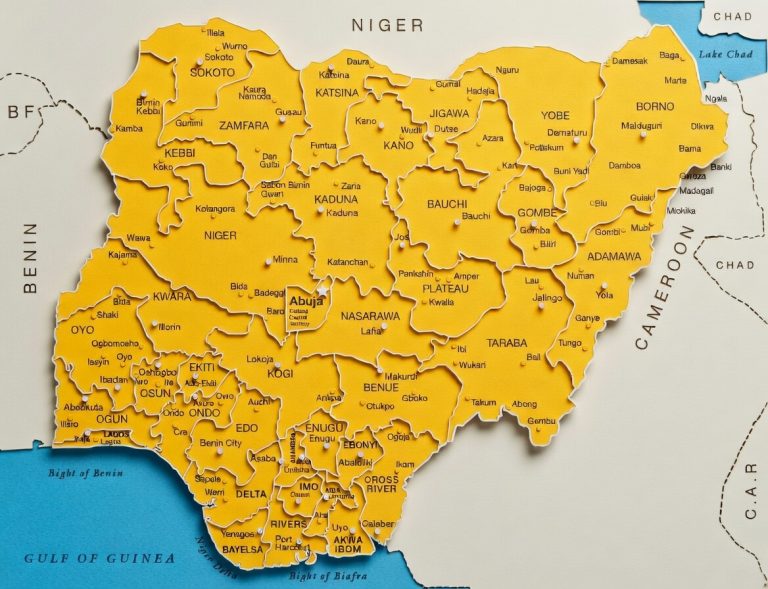
In Nigeria, we have the practice in the South-South region. We have it more in the northern region. In the North, they call it Gishiri cutting, where they slice the genitalia, giving it a bilateral cut in a bid to allow delivery, as it makes it wider for the woman. But this causes a lot of trouble. In the South-South, like in Port Harcourt, we know that certain people still practice some form of genital cutting. They still think they have a lot of benefits and we don’t have any clear laws prohibiting these practices yet. It is still happening. We see it more in reproductive age women now. Any time I have to deliver a woman who has genital cuttings, I ask her whether she will do same to a female child. Many times they say no; so we believe that this practice is reducing.