Follow Us on Google
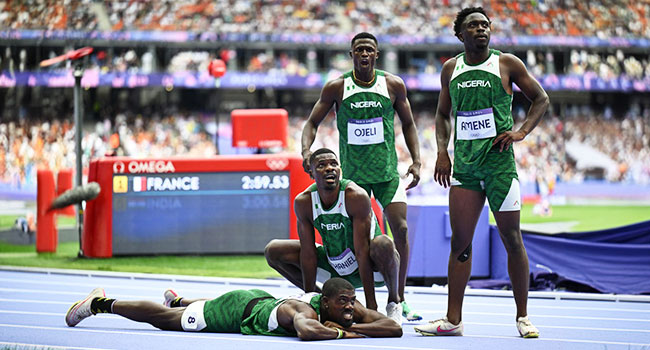
Some Nigerian athletes and sports stakeholders have attributed the increase in cases of athletes switching allegiance to other countries to poor welfare, inadequate facilities and limited opportunities in the country.
They spoke in separate interviews with the News Agency of Nigeria (NAN) on Thursday in Abuja.
Oluwole Bamigboye, President of Talent Developer Football Academy, Abuja, said Nigerian athletes often face difficult decisions when considering whether to switch allegiance to other countries.
According to him, modern facilities, improved remuneration, and greater exposure abroad make the option attractive to many athletes.
“With better facilities, pay and exposure abroad, it is tempting for athletes to switch allegiance.
“However, those passionate about representing the country should remain committed, contributing to the growth of sports in the country,” he said.
Bamigboye said that financial stability remained one of the biggest challenges athletes face in the country.
“Athletes need adequate resources to train and compete at their best.
“Countries abroad offer better sponsorship deals, training facilities and medical support, which also come with global exposure and career growth opportunities,” he said. amigboye, urged the government and sports authorities to invest more in sports infrastructure and provide better incentives for athletes.
He said competitive remuneration, quality training facilities and improved support systems would help strengthen athletes’ loyalty to the country.
Also speaking, a football player, Nduka Obi, said the trend is understandable as many athletes are in search of better opportunities.
“If the opportunity comes, I will consider it. Life abroad can be better than just surviving in Nigeria.
“According to my friends who are over there, it may be difficult at first but it will become better with time,” he said.
A secondary school volleyball trainer, Mariam Mohammad, said some athletes consider switching allegiance due to lack of funding and inadequate sports facilities in the country.
According to her, financial incentives and better training conditions abroad were major factors influencing such decisions.
Similarly, a footballer, Oluwakayode Adeyemo, said poor welfare and inadequate training facilities discouraged many athletes from plying their trade in the country.
“We hardly eat well before coming to training, while athletes abroad are placed on proper feeding plans and train on good pitches, but in Nigeria many teams train on sandy pitches,” he said.
Some footballers, who spoke with NAN on condition of anonymity, said they sometimes trek for about 10 kilometres from Airport Road to the stadium due to a lack of transport fare to train.
“The little money we have is used to sustain ourselves. Since the fuel price hike, things have become more difficult.
“Sometimes we miss training because we arrive late and are punished,” one of the players said.
They said that although the club provided accommodation, poor playing surfaces and welfare challenges continued to affect their performances.
According to them, improved funding, sponsorship and better training facilities would encourage more athletes to remain in Nigeria and develop their careers locally.
Nigerian athletes are increasingly switching allegiances to other countries due to protracted underfunding, poor training facilities, and lack of welfare.
This trend, often described as a “talent drain” or “national embarrassment,” is fueled by administrative inefficiencies, unpaid allowances, and broken promises by sports authorities.
NAN reports that Favour Ofili and Favour Ashe have cited these factors as reasons for relocating to countries such as Turkey and Qatar, which offer better support, financial stability, and infrastructure.