Follow Us on Google

By Doris Obinna
The World Health Organization (WHO) has welcomed the launch of the second phase of Nigeria’s nationwide measles and rubella vaccination campaign, targeting 43 million children aged nine months to 15 years across 16 states. The current phase, covering eight southern states: Lagos, Ogun, Ondo, Ekiti, Osun, Edo, Delta, and Bayelsa marks a significant step toward the country’s goal of eliminating measles and rubella.
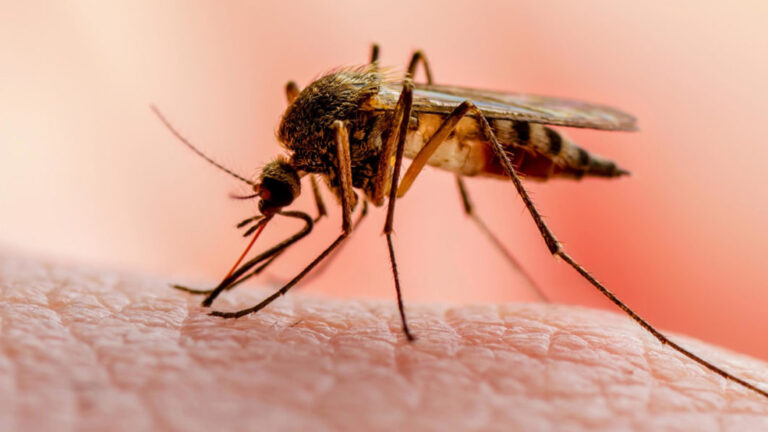
This phase WHO disclosed in a statement builds on the success of the initial campaign conducted in October last year across 19 northern states and Oyo State, which reached over 59 million children. “Lessons learned from the first phase have been integrated into the southern rollout to strengthen planning, coordination, and operational efficiency. In Ondo State, the rollout also includes the introduction of the malaria vaccine, reflecting Nigeria’s commitment to improving child health outcomes.”
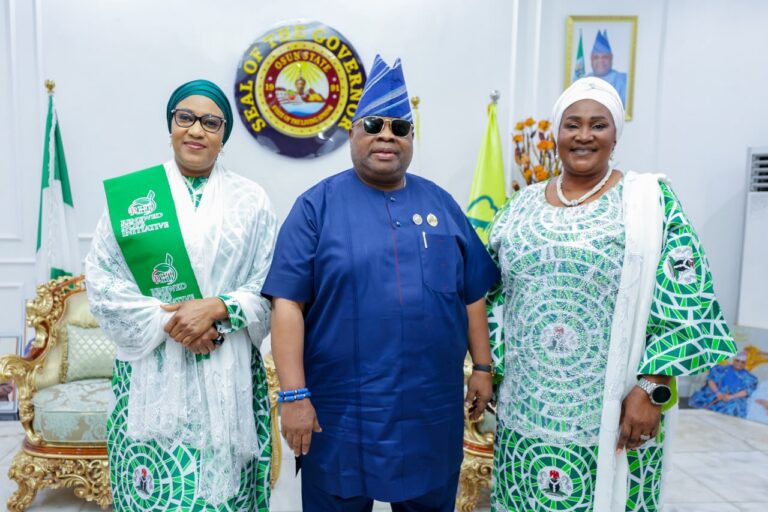
WHO commends the strong political commitment demonstrated during high-level flag-off events led by governors, first ladies, and senior officials. These ceremonies, it further stated, have helped build public trust, mobilize communities, and reinforce the message that measles and rubella are preventable diseases when children are vaccinated. “In Osun State, the Deputy Governor, Prince Kolawole Adewusi, highlighted the importance of ensuring that no child is left unprotected. Traditional leaders, faith-based organizations, women’s associations, youth groups, and civil society partners are actively supporting community mobilization efforts across all states.”
Other News
WHO is providing technical support to the campaign, including risk-based micro-planning, training of 5,000 health workers and mobilizers, deployment of over 40 technical staff for supervision and real-time monitoring, strengthening vaccine safety and adverse event reporting, and enhancing data use to improve coverage and quality. Delivery strategies combine fixed and mobile posts with school-based sessions to ensure children are reached wherever they live, learn, or play.
The campaign is led by the Federal Ministry of Health and Social Welfare through the National Primary Health Care Development Agency, with strong collaboration from State Ministries of Health and partners including Gavi, the Vaccine Alliance, the Gates Foundation, and United Nations Children’s Fund (UNICEF). In Bayelsa State, the Commissioner for Health, Prof. Seiyefa Brisibe, emphasised the availability of state and local government funding as evidence of ownership and sustainability.
As the campaign progresses, WHO encourages continued commitment from all partners to reach every eligible child, maintain high-quality implementation, and sustain public confidence. Nigeria’s large child population means that progress in the country contributes significantly to Africa’s and the world’s measles and rubella elimination goals.
WHO remains committed to supporting Nigeria in closing immunity gaps, strengthening routine immunization, and protecting millions of children from preventable diseases. The second-phase rollout in the South demonstrates that strong government leadership, partner collaboration, and community engagement can achieve large-scale health impact.