Follow Us on Google

By Doris Obinna
The estimated number of malaria deaths stood at 627,000 in 2020. The World Health Organisation (WHO) African region carries a disproportionately high share of the global malaria burden. In 2020, the region was home to 95 per cent of malaria cases and 96 per cent of malaria deaths. Children under five accounted for about 80 per cent of all malaria deaths in the region.
Malaria is a disease caused by a plasmodium parasite, transmitted by the bite of infected mosquitoes. The severity of malaria varies based on the species of plasmodium. Every two minutes, a child dies of malaria. Malaria is a preventable and treatable disease that remains, in many regions of the world, a major public health problem, say experts.
According to United Nations Children’s Fund (UNICEF), 91 countries experience ongoing malaria transmission. “Almost half the world’s population, about 3.2 billion people, are at risk of malaria. In 2016 alone, 216 million new cases of malaria were reported, and approximately 445,000 people died of the disease, most of them children.”
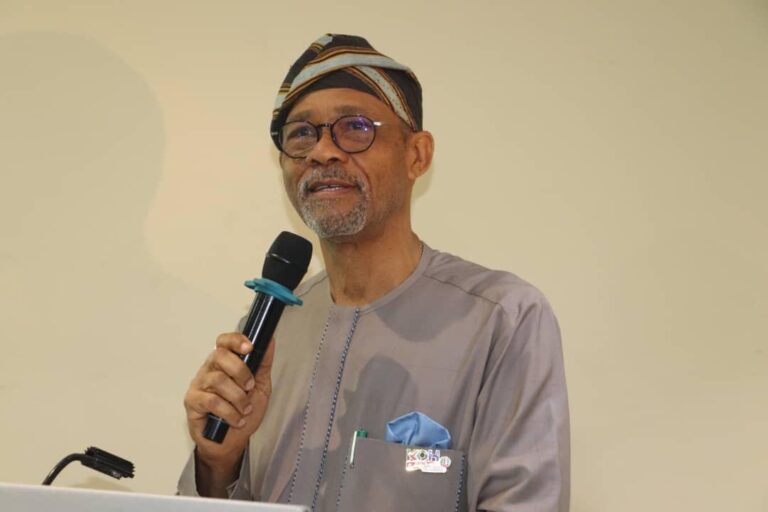
Lagos State Commissioner for Health, Prof. Akin Abayomi, speaking on the issue, noted that the need to scale up innovation and deploy new tools to combat malaria aligns with the theme for this year’s celebration, “Harness innovation to reduce the malaria burden and save lives.”
According to him, the present administration is committed to tackling the scourge of malaria in Lagos by using a multi-pronged approach, including environmental management and integrated vector control for the prevention of malaria; effective diagnosis and appropriate treatment of malaria cases; and monitoring and evaluation, with emphasis on operational research and the use of its results for evidence-based programming.
He said: “Malaria remains a major public health challenge, especially in Lagos, and the disease remains the leading cause of morbidity and mortality in the vulnerable group, especially children of under-five years of age and pregnant women.
“The war against malaria is one that must be won. The state is very committed to this fight; we must all come together to fight malaria, and this can be achieved knowing that ‘Every Effort Counts.’
On his part, the Commissioner for Information and Strategy, Mr. Gbenga Omotoso, urged all to support government’s efforts in the fight against malaria.
“We must ensure that we clean our environment properly via effective refuse disposal and management, covering of water storage containers, clearing of gutters, dredging of canals and channels, among others, clearing of unkempt and dirty environments as these are breeding sites for mosquitoes.
“Proper maintenance and management of the environment would prevent mosquitoes from breeding and prevent the malaria parasite.”
Things you should know
According to UNICEF, among all communicable diseases, malaria is the third largest killer of children between the ages of one month and five years, following pneumonia and diarrhea.
“Nearly 300,000 children under the age of five died of malaria in 2016, equivalent to nearly 800 young lives lost each day.
“In the years between 2000 and 2015, the mortality rate for malaria fell by 60 per cent and the number of malaria cases dropped by 37 per cent globally. During those 15 years, 6.2 million deaths were averted, including the deaths of 5.9 million children under five.
“Progress on malaria is beginning to show signs of stagnation. In 2016, 91 countries reported a combined total of 216 million malaria cases, five million more than in 2015. Rwanda and Nigeria together saw an increase of over 1.5 million cases, while an estimated 90 per cent of malaria deaths occur in sub-Saharan Africa, with 407,000 deaths in 2016.
“Malaria preys upon the vulnerable: children under five years of age, the poorest and most marginalized, pregnant women and their unborn children. Malaria in pregnancy contributes significantly to deaths of mothers and young children, with an estimated tally of at least 10,000 women and 200,000 infants under one year old.
“Four out of five malaria deaths occur in one of 15 countries: Nigeria, the Democratic Republic of the Congo, India, Mozambique, Ghana, Angola, Uganda, Mali, Burkina Faso, Kenya, Tanzania, Cameroon, Niger, Guinea and Chad. More than one in three malaria deaths occur in two countries: Nigeria and the Democratic Republic of the Congo.
“Sleeping under an insecticide-treated bed net (ITN) is the most common and most effective way to prevent malaria infection. In 2016, an estimated 54 per cent of people at risk of malaria in sub-Saharan Africa slept under an ITN, compared to 30 per cent in 2010. However, the rate of increase in ITN coverage has slowed since 2014. Less than half of households in sub-Saharan Africa have enough nets for all occupants.
“In the last 10 years, UNICEF has procured and helped distribute nearly 268 million insecticide-treated bed nets in more than 30 countries worldwide.
“Countries that have achieved at least three consecutive years with no local cases of malaria are eligible to apply for certification of malaria elimination. In the last decade, six countries have been certified as having eliminated malaria: Morocco (2010), Turkmenistan (2010), Armenia (2011), Maldives (2015), Sri Lanka (2016) and Kyrgyzstan (2016). In the previous two decades, there was one, United Arab Emirates (2007).”