Follow Us on Google
By Abimbola Abikoye
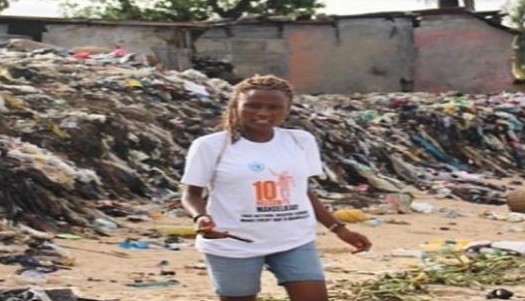
Across many coastal communities, the unchecked practices of open dumping, landfilling, and waste burning are rapidly eroding the ecosystems that millions rely on for their livelihoods and survival.
This silent crisis does not only threaten biodiversity or environmental aesthetics, it strikes at the very core of human welfare, from employment and food security to public health and climate resilience.
For fisherfolk in Nigeria and other parts of the Global South, ecosystem loss is more than an ecological concern, it is an economic one. When dumping chokes wetlands or landfills clog estuaries, fishing activities stall.
Without access to a clean and functioning marine environment, employment disappears and food sources vanish. In a country already struggling with rising unemployment, especially in rural and informal economies, the consequences are devastating.
Waste Management and the Collapse of Health Systems
The story doesn’t end with fishing. Landfilling and waste incineration near residential areas have led to worsened access to safe drinking water, degraded air quality, and exposure to harmful toxins.
These practices release carcinogenic compounds, particulate matter, and toxic gases that settle in the lungs of children, pregnant women, and the elderly. Over time, the effects become visible: increased cases of asthma, respiratory infections, and even impaired neurological development in infants.
Studies have shown that open burning releases black carbon, a pollutant that not only endangers human health but also contributes to climate change by absorbing sunlight and warming the atmosphere.
In densely populated communities, the impact is twofold: health systems are overburdened, and the most vulnerable, those living closest to dumpsites, are left with no recourse to clean air or preventative healthcare.
Soil Erosion and Food Insecurity
What many overlook is that waste burning damages the soil’s structure, acidity balance, and capacity to retain nutrients. Once fertile farmlands are rendered barren by toxic ash deposits and heavy metals, reducing their ability to support crops.
Farmers are gradually displaced, unable to plant or harvest, leading to reduced food production and a worrying rise in childhood malnutrition due to loss of access to fresh, nutritious food.
The vicious cycle is clear: degraded soil reduces yield, food becomes scarce, farmers become unemployed, and communities sink deeper into poverty. This ecological injustice often plays out in silence, but its economic implications are resounding.
Oceans Under Siege
Our oceans, too, are under direct assault. Open dumping into water bodies is not only illegal under most national environmental laws, it is catastrophic. Plastic debris entangles marine species, suffocates coral reefs, and disrupts migratory patterns.
Mangroves, critical as nurseries for fish and buffers against coastal erosion, are stripped away or poisoned by pollutants. Local poaching, driven by economic desperation and lack of alternative income, compounds the loss.
These damages are not temporary. Coral reefs take decades to regenerate. Mangroves, if not preserved, are nearly impossible to replace. Without intervention, we are witnessing the slow death of marine ecosystems that millions of people depend on.
A Double-Edged Crisis in Urban Slums
In urban slums and informal settlements, landfilling sometimes provides short-term utility, transforming swampy, waterlogged areas into spaces where internally displaced persons (IDPs) and migrants can erect makeshift shelters. But this comes at a steep cost.
Landfilled sites often leak toxic runoff, contaminating nearby water sources. The result is a cruel irony: areas made temporarily “habitable” become sites of long-term waterborne diseases, environmental stress, and ecosystem instability.
Meanwhile, the human cost continues to climb. Many of these communities are disproportionately affected by floods and pollution, with residents taking on precarious, underpaid jobs in waste disposal. Workers employed informally by industries or municipal contractors are sometimes paid less than $5 per week to carry or dump waste without protective equipment, health insurance, or training.
Where Accountability Must Begin
This is not merely a grassroots issue, it is a governance one. Industries that generate waste must be held accountable for its disposal. The lack of due diligence and regulatory enforcement allows corporations to offload their waste burden onto the most vulnerable populations.
Likewise, the inability of residents to access decent work opportunities perpetuates a cycle of exploitation and environmental degradation. Waste work is necessary, but it must be formalised, regulated, and dignified. We must stop treating waste workers as invisible agents in a system that enriches others while poisoning their bodies and environments.
A Call for Transformative Waste Governance
To move forward, we need a holistic rethinking of waste governance that blends environmental justice, public health, and social equity. This includes:
Banning open burning and regulating informal landfills through enforceable national and subnational legislation.
Investing in community-based recycling infrastructure and circular economy hubs that offer decent employment while reducing ecological impact.
Equipping environmental agencies to monitor industrial waste disposal and impose penalties for violations.
Educating the public on waste segregation, eco-conscious consumption, and alternatives to single-use plastics.
Recognising and integrating informal waste workers into official frameworks with training, PPE, and fair wages.
In Conclusion
The degradation caused by open dumping, burning, and landfilling is not inevitable, it is a symptom of poor planning, weak regulation, and disregard for ecological wellbeing. The time to act is now.
If we continue to treat waste as someone else’s problem, we will all suffer the consequences, poisoned water, shrinking food supplies, lost jobs, and collapsing ecosystems. But if we centre justice, foresight, and community resilience in our policies, the same waste that once threatened our survival can become an opportunity for renewal.
Because when waste is mismanaged, we all pay the price. But when managed wisely, it can pave the way for dignity, health, and environmental hope.