Follow Us on Google
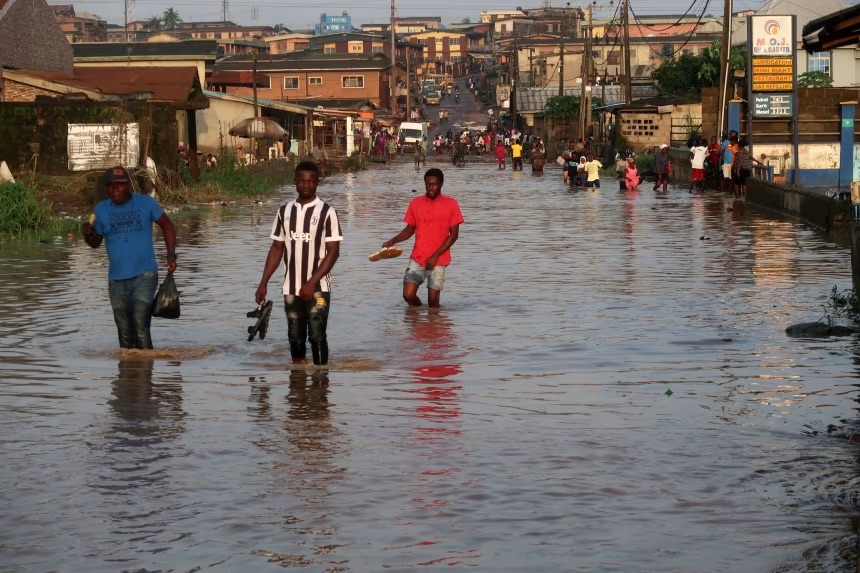
The 2026 rainy season commenced with intensity nationwide some days ago, triggering widespread flooding across some parts of the country. In line with the prediction of the Nigerian Meteorological Agency (NiMet), the impacts have been massive. It disrupted transportation, business activities, and power supply in many commercial cities, damaging property and submerging houses. Lagos State was perhaps the worst hit, as the downpour on Tuesday, last week, lasted several hours and left some residents homeless. Many motorists and commuters were stuck in the flood.
It has also raised concerns over the adequacy of our urban drainage systems. There are also fears that the floods could cause cholera, malaria, typhoid, and other diseases. Instructively, health experts have warned that contaminated floodwater and stagnated pools caused by the torrential rainfall could lead to the spread of infections as well as increase the risks of diarrhoea. Early in the year, NiMet raised the alarm over widespread thunderstorm and sustained heavy rainfall across the country that would heavily elevate the risk of flash flooding in 19 states and the Federal Capital Territory (FCT), Abuja.
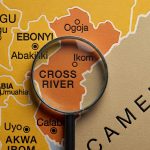
NiMet also advised residents in the Northern and North-Central regions to take precautionary measures to mitigate the impacts of flooding. It also warned that there would be flash flooding in urban centres, low-lying communities and areas with poor drainage systems in coastal and Southern states such as Lagos, Ogun, Ondo, Rivers, Bayelsa, Delta, Akwa Ibom, Cross River, Edo and Abia, as well as some states in the North.
Meanwhile, the Federal Government has warned that the rains will intensify in the days ahead, and has advised communities in flood-prone areas to relocate to safe areas. The heavy flood has also been attributed to environmental degradation, particularly the indiscriminate waste disposal as well as blocked drainage channels. The severity of the flooding has had its toll on the economy and households. According to data from the National Bureau of Statistics (NBS), Nigeria loses an estimated $31.65 million yearly to floods and landmines, and is ranked 9th most-climate -vulnerable country in the world.
According to the 2024 Notre Dame Global Adaptation Initiative Index (ND-GAIN), Nigeria has a vulnerability score of 0.597, which is described as “extremely high”, and a readiness score of 0.297, placing Nigeria 155th out of 182 countries globally. ND-GAIN is a free, open source of tool that summarizes a country’s vulnerability to climate disruption and its readiness to adapt to those challenges. Experts estimate that if urgent steps are not taken by relevant agencies, the 2026 flooding may get close to the havoc caused by the 2022 flood incident, rated as the worst in decades.
It claimed hundreds of lives across the states and up to $9billion in damages, according to NBS and the World Bank assessment report. Another report by the Ministry of Humanitarian Affairs showed that the economy lost an estimated N4.2trillion to the 2022 flooding incidents, with 64 per cent of households affected.
Like the 2022 flooding, the impacts could be on livelihoods, housing, food sources, health facilities and schools. Both agricultural and non-agricultural sector are expected to be severely impacted. With the economy still in negative territory, the present flooding could lead to substantial income losses that will undermine food security and other sources of income. This is according to the Food Recovery and Mitigation Assessment Report.
In 2022, the impacts of the flood were significantly high in rural areas, about 74 per cent compared to 40 per cent in urban centres, according to NBS figures. To contain the challenge posed by flood, we advise the government to pay more attention to mitigating the effects of flooding across the country, by equipping the relevant agencies and state governments with tools, finance and rapid response logistics.
We align with experts’ recommendation that henceforth, no new public infrastructure projects should proceed without a certified climate vulnerability need for early warning system. Lagos State is a case in point. Despite the N10billion reportedly spent by the government on drainage projects, the flooding persists. The largest expenditure was recorded under the state government’s Drainage Construction and Dredging state-wide project, which received N48.63billion over a revised budget of N59.26billion. This represents an implementation rate of 82.1 per cent. Therefore, we call on Lagos residents to stop blocking drainage channels with refuse or building near drainage systems. Although floods will naturally occur, the effects can be mitigated if certain measures are timely put in place.