Follow Us on Google
•Group drives new campaign for early detection in South East
From Jude Chinedu, Enugu
Nigeria is in the grip of a silent epidemic. The World Health Organization (WHO) said the country recorded over 127,000 new cancer cases and nearly 80,000 deaths in 2022 alone. Breast cancer leads the list, claiming thousands of women each year. Even more alarming is that over 70 per cent of patients in Nigeria are diagnosed at late stages (three or four), when the disease has already spread, leaving doctors with limited options.
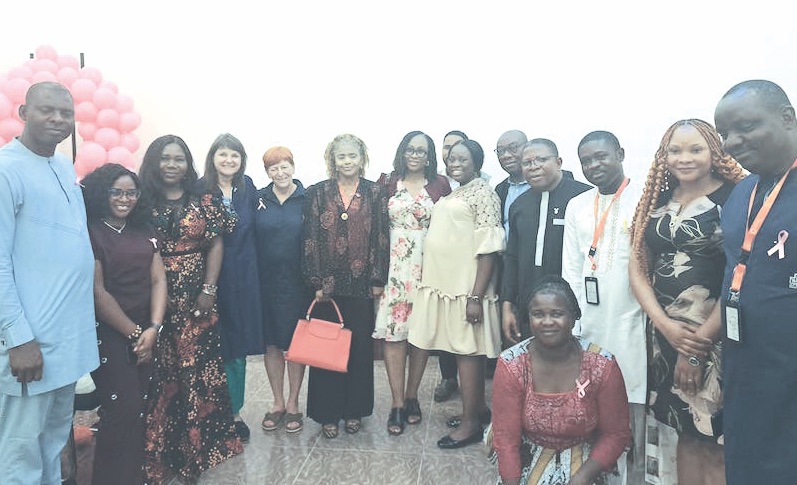
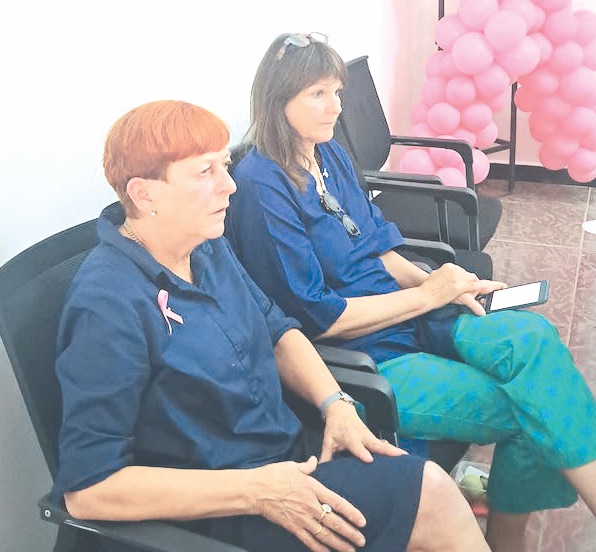
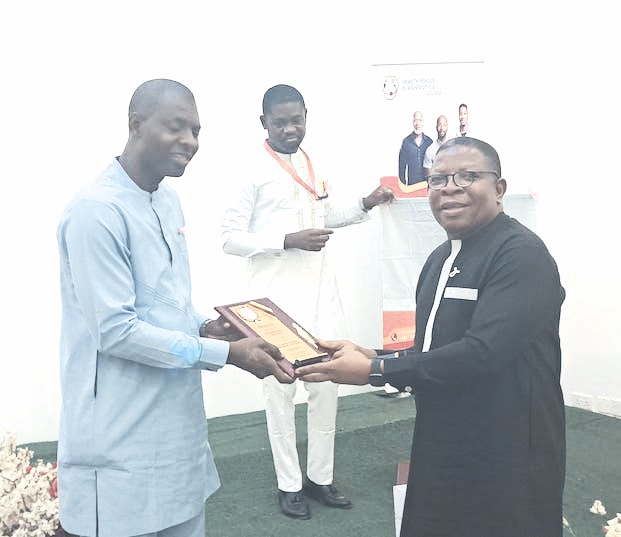
In the South East, health experts say this trend reflects a devastating reality: people are still dying because they come to hospital too late. This truth formed the backdrop of a recent scientific exchange on breast cancer, held at the Health Focus Diagnostic Centre, Enugu, where doctors, health policymakers and cancer specialists gathered and discussed new strategies for tackling late diagnosis in the region.
Dr. Gerlinde Reiprich, director, Health Focus Diagnostic Nigeria, opened the event with a message that was both hopeful and urgent: “Cancer is not a death sentence. In the community, cancer is not talked about. People are shying away because they think it is a death sentence. But if patients come earlier, something can be done.
“This is why we organised this, so that we can reach out better to the community and see that the word goes out: cancer is not a death sentence and something can be done about it.
“We are honoured to host you for this scientific programme on breast cancer. Our aim is to build a tradition of regular scientific exchange with our referring physicians.
“We began in May with a symposium on antimicrobial resistance; today, in Breast Cancer Awareness Month, we turn to a disease where timely action saves lives. Our shared challenge is late presentation. The remedy is informed, routine screening and swift, evidence-based management.
“At Health Focus Diagnostics Nigeria, we provide mammography and breast ultrasound, an expanding panel of tumour markers, and we are in the final stages of establishing immunohistochemistry for accurate breast cancer typing.”
National coordinator, National Cancer Control and Nuclear Medicine Programme, Federal Ministry of Health, Dr. Uchechukwu Nwokwu, said: “The one that cuts across everybody is awareness, which is relatively low. Even with Breast Cancer Awareness Month, the major component of awareness that has not been properly addressed is the awareness among health workers themselves.
“Many private practitioners still hold onto outdated or incomplete knowledge about cancer management. A critical mass of health workers, especially those in the private sector, is yet to understand the importance of not keeping people suspected to have cancer. Our major problem in this part of the world, Nigeria and sub-Saharan Africa, is late diagnosis of cancers. Once there is no early diagnosis, treatment outcomes become difficult.
“So, when you hear people say that cancer treatment is difficult or that cancer is a death sentence, it is because they are diagnosed late. Once they are diagnosed late, it is as good as a death sentence because nothing much can be done for the person. If that diagnosis is made early, at stage one or two, where surgery or chemotherapy can take care of it, then the person can be cured.
“We are upgrading at least six cancer treatment centres across the country every year for the next five years.”
Centre manager, South East and South South, Oncoclinics Africa, Dr. Etima John: “The reason people shy away from cancer tests is that there is not much information about it. Women do not know that such things exist, and the environment where we are believes that everything is caused by one thing or the other.
“The chances of getting a reversal are very high if it is discovered earlier. But when it comes in too late, there is little or nothing we can do. What we can do is just to try to improve the person’s quality of life.
“When you go to the hospital, if your doctor tells you that this is important, you should take it seriously. Some people go to church only to come back when it is already too late. On our part as medical practitioners, we need to do more to educate people. Cancer is not an attack, it is science. Even if you want to pray, you can pray while receiving treatment.”